 Preview
 Send
Send Share
Share
 Details

 Download
 Similars
 X-Ray
X-Ray Diaporama
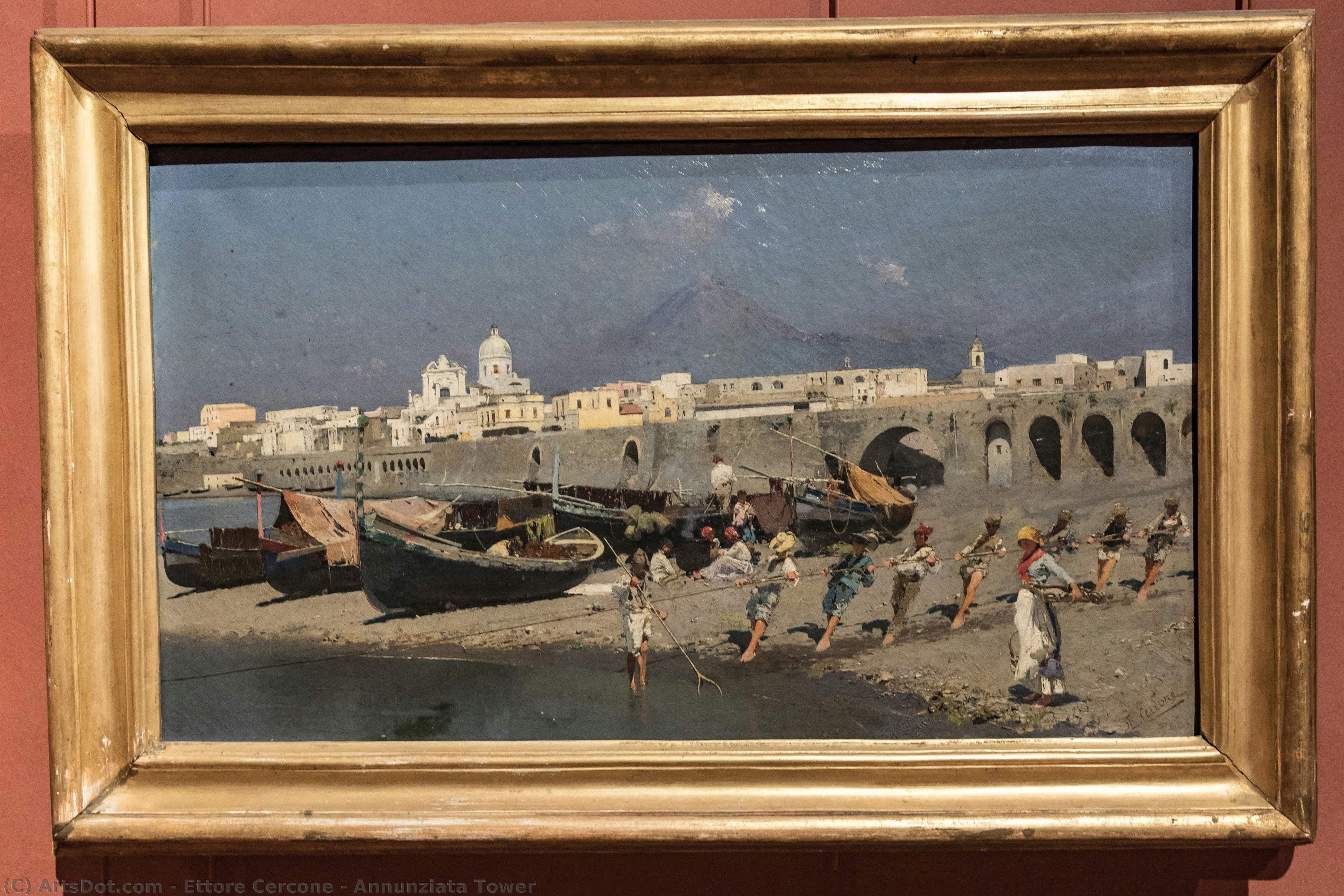
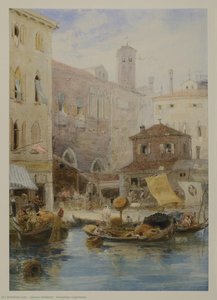
Annunziata Tower


 Read More
Hand Made Oil Reproduction
Hand-painted oil on canvas in your size and frame, made to order by our artists. ( Buy Print Buy Image)




P118B $10

P118H $10

P118W $10

P438Z $10

P508JH $12

P508YH $12

P805H $10

P805Z $10

P919BZ $10

P919G $10

P919XJ $10

P959ZH $10

P968JZ $12

W106C $8

W218G $10

W218JH $8

W218Y $10

W307PJ $10

W316G $10

W316PJ $8

W316Y $10

W398PJ $8

W4111J $10

W500HY $15

W500JH $15

W692G $12

W849H $8

W940BG $15

W953PJ $8




Pick from our preset sizes that match the artwork's original proportions.

You may enter your own dimensions to fit a specific frame or space. If your selected size does not match the original image's proportions, we will either crop the artwork or extend the painting with additional hand-painted elements. A digital mockup will be sent for your approval before production begins.
Please note that the on-screen preview does not reflect the actual cropping or extension. Only the mockup will accurately show the final composition.
While custom sizes are available, we recommend selecting a dimension from the predefined list to preserve the original proportions.
After order, ArtsDot.com team will email client for instructions and provide a mockup preview
Worldwide Delivery () in 3/4 weeks instead of standard 5 weeks. (16 August). No compromise on quality.

Free Worldwide Express Shipping

High-Quality Linen Canvas

Full Shipping Insurance

Customs Tax Refund Guarantee

True Color Matching Guarantee

60-Day Return Policy (Defects Only)

100% Money-Back Guarantee

Bulk Discount Offer
 Glass option is only available in size under 110 CM

Annunziata Tower
Reproduction Medium
Reproduction Size
-


Total Price
$ 263
Related Artworks


Artist Biography
Sarah Biffin: A Pioneer of Disability and Art in the Early Nineteenth Century
The story of Sarah Biffin (1784-1850) is a remarkable testament to resilience, ingenuity, and the enduring human spirit. Born without arms or legs in Somerset, England, her life unfolded against significant societal constraints, yet she defied expectations by becoming a celebrated miniaturist artist – a profession rarely afforded to women, let alone those with such profound physical limitations. Her journey, documented through portraits and accounts of her time, offers a poignant glimpse into the realities faced by disabled individuals during the early 19th century and reveals an artistic talent that blossomed despite considerable adversity.
Biffin’s early life was marked by poverty and hardship within a large family. While details about her upbringing are scarce, it's understood she received limited formal education. Her parents, Henry and Sarah, recognized her potential and, recognizing the novelty of her condition, placed her under contract with Emmanuel Dukes, a showman known for exhibiting curiosities at fairs and exhibitions. This arrangement provided her with a platform to display her skills and earn a living, albeit within a context that often reduced her to a spectacle. The fairs themselves were vibrant, chaotic affairs – a melting pot of entertainment, commerce, and the unusual – offering Biffin an opportunity to engage with a wide audience and hone her artistic abilities.
Biffin’s miniature portraits quickly gained recognition, particularly amongst the British aristocracy and wealthy elite. She produced exquisite likenesses of royalty, prominent figures, and fashionable ladies, demonstrating a keen eye for detail and a delicate hand. Her subjects included members of the royal family, including Queen Victoria, and notable individuals of the era. The demand for her work was fueled by both her unique situation – a disabled artist creating portraits of those she represented – and the quality of her craftsmanship. She skillfully utilized miniature painting techniques, employing fine brushes, delicate pigments, and intricate detail to capture the likenesses of her sitters with remarkable accuracy.
Beyond her commissioned work, Biffin also engaged in self-portraiture, offering a rare and intimate perspective on her own life. These portraits reveal not only her artistic skill but also her awareness of her disability and its impact on her identity. The early self-portraits, often painted in simple attire, showcase a quiet dignity and resilience. Later works, such as the one held by the National Gallery of Scotland, depict her in more elaborate clothing, suggesting an evolving sense of self-presentation and perhaps a desire to transcend the limitations imposed upon her.
Biffin’s story is inextricably linked with the broader social context of the time. The fairs where she exhibited were not merely entertainment venues; they were microcosms of Victorian society, reflecting its fascination with novelty, spectacle, and the ‘other.’ The presence of figures like William Wordsworth at these events highlights the intellectual curiosity of the era alongside a certain degree of exploitation. Biffin’s participation in this world provided her with both opportunities and challenges, forcing her to navigate complex social dynamics while simultaneously pursuing her artistic ambitions.
The Influence of Pre-Raphaelite Aesthetics
While Biffin's work predates the formal establishment of the Pre-Raphaelite Brotherhood (PRB), there’s evidence suggesting a subtle influence on her style and subject matter. Her portraits, particularly those depicting fashionable ladies, often exhibit a meticulous attention to detail reminiscent of PRB artists like William Holman Hunt and John Everett Millais. The emphasis on realism, the use of naturalistic colors, and the portrayal of everyday life – albeit within an aristocratic context – align with the core tenets of the movement.
Furthermore, Biffin’s self-portraits, particularly the one in the National Gallery of Scotland, share stylistic similarities with PRB works that explored themes of vulnerability and social commentary. The composition, the use of light and shadow, and the overall mood evoke a sense of introspection and quiet dignity – qualities often associated with the Pre-Raphaelite aesthetic. It’s important to note that Biffin's work wasn't directly part of the PRB, but her artistic sensibilities likely reflected the broader currents of 19th-century art.
Technique and Materials
As a miniaturist, Sarah Biffin employed a highly specialized set of techniques and materials. Miniature painting demanded an extraordinary level of precision and control, requiring artists to work with incredibly small brushes, delicate pigments, and meticulously prepared surfaces. She likely utilized ivory or thin cardboard as her support, carefully smoothing the surface to create a flawless canvas for her paintings.
The pigments she used were finely ground and mixed with a medium – often gum arabic or egg white – to achieve the desired consistency and luminosity. Biffin’s skill lay in her ability to blend colors seamlessly, creating subtle gradations of tone and capturing the nuances of light and shadow. The use of glazing techniques—applying thin layers of translucent paint over dry layers—allowed her to build up depth and richness in her portraits.
The process was incredibly time-consuming, requiring immense patience and attention to detail. Each miniature portrait represented countless hours of painstaking work, a testament to Biffin’s dedication and artistic skill. The fragility of the medium – miniatures are notoriously susceptible to damage—further underscores the value and preciousness of her creations.
Legacy and Historical Significance
Sarah Biffin's legacy extends beyond her artistic achievements. Her story serves as a poignant reminder of the challenges faced by disabled individuals in the 19th century, when societal attitudes often relegated them to the margins of society. Despite facing significant obstacles, she persevered in pursuing her passion for art, demonstrating remarkable resilience and determination.
Her work has been increasingly recognized for its historical significance and artistic merit. Art historians now view Biffin as a pioneering figure – not only for her disability but also for her contributions to the miniature portrait genre. Her portraits offer valuable insights into Victorian society, fashion, and social customs, while simultaneously providing a unique perspective on the life of a disabled woman artist.
Biffin’s story continues to inspire and challenge us today, reminding us of the importance of inclusivity, empathy, and celebrating the diverse talents that exist within our communities. Her work stands as a testament to the enduring power of art to transcend limitations and illuminate the human experience.
ettore cercone
1850 - 1896 , Italy
Quick Facts
- Artistic Movement Or Style: Miniaturist
- Artists Or Movements Influenced By This Artist: ['Pre-Raphaelites']
- Artists Who Influenced This Artist: ['Henry Wyatt']
- Date Of Birth: 1784
- Date Of Death: 1850
- Full Name: Sarah Biffin
- Nationality: British
- Notable Artworks:
- Lady Godiva
- Self-Portrait (1830)
- Self-Portrait (1850)
- Place Of Birth: East Quantoxhead, Somerset
Related Articles

Beyond the Horizon: 10 Landscape Masterpieces for Your Home Decor
Journey through 10 breathtaking landscape paintings by Monet, Van Gogh & more! Explore iconic artworks, artistic techniques & find inspiration for your home decor. Museum-quality reproductions at ArtsDot.com. Discover all masterpieces on ArtsDot.com

Hokusai's Masterpieces: 25 Iconic Prints & Paintings for Art Lovers | ArtsDot
Journey through Katsushika Hokusai’s 25 most iconic artworks, including *The Great Wave*. Explore the ukiyo-e master's history, style & timeless Japanese woodblock prints. Find museum-quality reproductions for your home at ArtsDot.com.

Romantic Landscapes: 10 Masterpieces for Your Home | ArtsDot
Journey through 10 Romantic landscape masterpieces by Friedrich, Turner & Cole. Explore emotional art, sublime nature scenes & iconic 19th-century paintings. Find museum-quality reproductions for your home at ArtsDot.com – discover the full collection online!

Evocations of Place: A Historical Journey Through Landscape Art
Explore the rich history of landscape art with ArtsDot. Discover renowned artists, movements like Impressionism & Romanticism, and expert guidance for collecting timeless pieces. Find your perfect serene escape today!

John Constable's Masterpieces: Explore 25 Iconic Landscapes for Your Home
Journey through John Constable's 25 most celebrated landscapes. Explore Romanticism, Dedham Vale & his masterful use of light in iconic paintings like 'Hay Wain'. Find museum-quality art reproductions and elevate your home decor on ArtsDot.com.