 Preview
 Send
Send Share
Share
 Details

 Download
 Similars
 X-Ray
X-Ray Diaporama
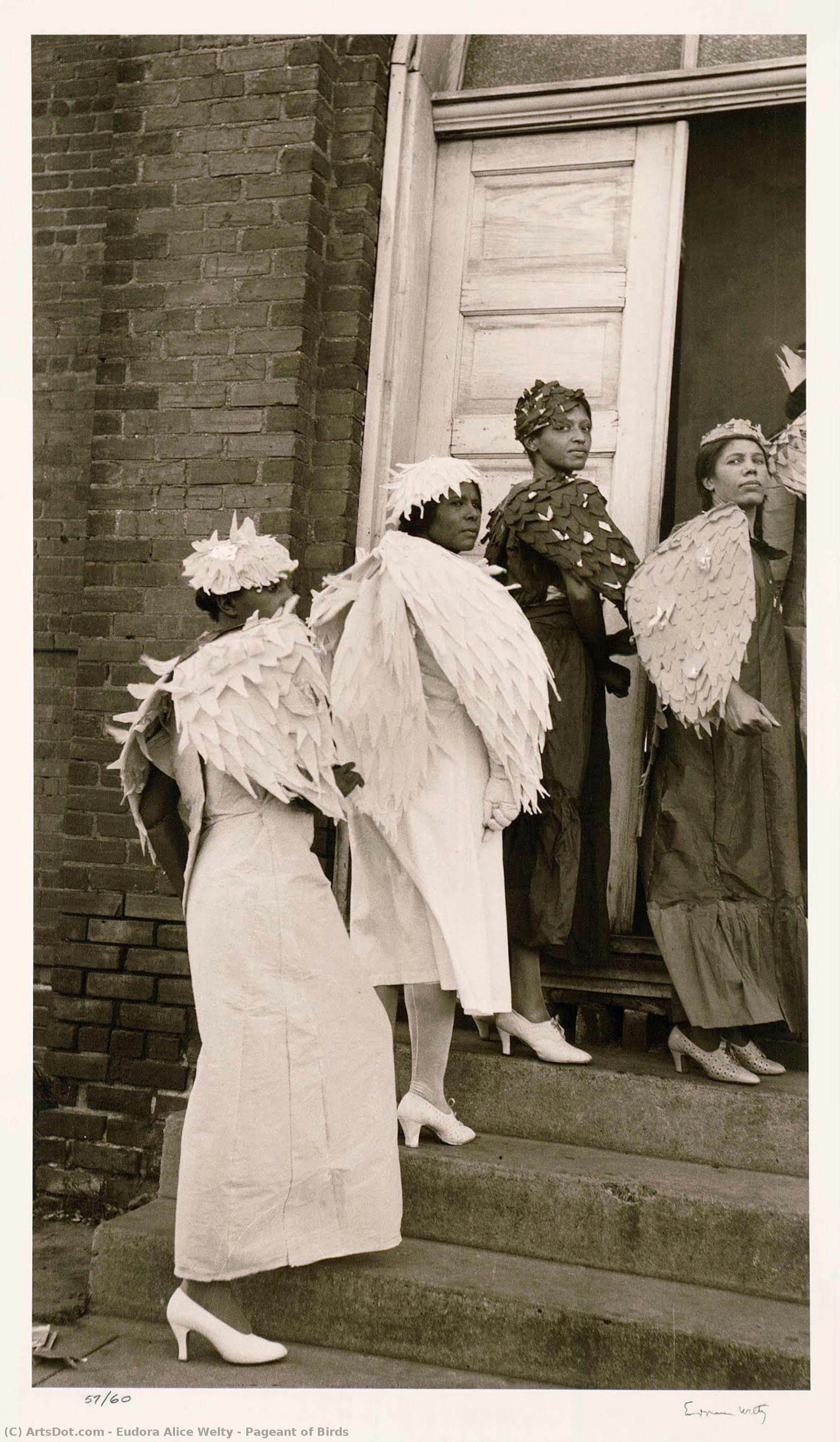
Pageant of Birds


 Read More
Giclée / Art Print
Museum-quality giclée or canvas print with fast production and flexible finish options. ( Buy Hand Made Painting Buy Image)




































Pick from our preset sizes that match the artwork's original proportions.

You may enter your own dimensions to fit a specific frame or space. If your selected size does not match the original image's proportions, we will either crop the artwork or extend the image with a mirrored or solid-fill edge. A digital mockup will be sent for your approval before production begins.
Please note that the on-screen preview does not reflect the actual cropping or extension. Only the mockup will accurately show the final composition.
While custom sizes are available, we recommend selecting a dimension from the predefined list to preserve the original proportions.
Worldwide Delivery () in 2 weeks instead of standard 4/5 weeks. (23 August)

Free Worldwide Express Shipping

High-Quality Linen Canvas

Full Shipping Insurance

Customs Tax Refund Guarantee

True Color Matching Guarantee

60-Day Return Policy (Defects Only)

100% Money-Back Guarantee

Bulk Discount Offer
 Glass option is only available in size under 110 CM

Pageant of Birds
Giclée / Art Print
Reproduction Size
-


Total Price
$ 63
Related Artworks



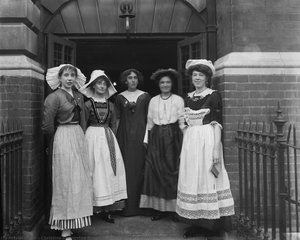
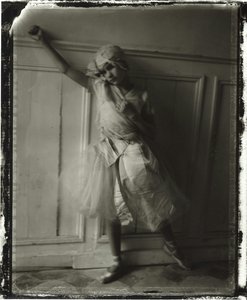

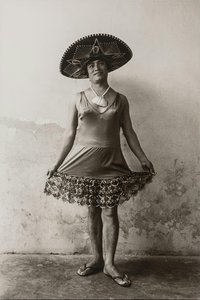
Artist Biography
A Literary Portrait of the American South
Eudora Alice Welty, born in Jackson, Mississippi, in 1909, stands as a monumental figure in 20th-century American literature. More than simply a writer, she was an observer, a photographer, and a chronicler of the human condition deeply rooted in the landscape and culture of the South. Her work isn’t defined by grand narratives or sweeping historical events; instead, it finds its power in the intimate details of everyday life, exploring themes of family, community, social change, and the complexities of relationships with remarkable empathy and insight. Welty's lyrical prose style and keen observational skills established her as a master storyteller, celebrated for both her short stories and novels—works that continue to resonate with readers today.Southern Roots and Early Development
Welty’s upbringing in Jackson profoundly shaped her artistic vision. The Mississippi of her youth was undergoing significant transformation during the Jim Crow era, a period she witnessed firsthand. These experiences weren't merely background noise; they became integral to her nuanced portrayals of Southern life, informing her understanding of its beauty and its burdens. Her father, Christian Webb Welty, instilled in her an appreciation for practical things—gadgets, machines—and a love of language, while her mother, Chestina Andrews Welty, nurtured her passion for reading. This blend of influences fostered a unique sensibility that would later define her writing. After attending Miss Porter’s School and Mississippi State College for Women, she briefly pursued library science at Columbia University. However, it was the act of storytelling itself that truly captivated her. Before achieving literary recognition, Welty worked for the Works Progress Administration (WPA) during the Depression era. This experience proved pivotal. Documenting African American folklore and interviewing sharecroppers broadened her understanding of Southern society and provided invaluable material for her future fiction. Equally important was her photography during this time; it honed her eye for detail, teaching her to see the extraordinary within the ordinary—a skill that would become a hallmark of her writing.Major Works and Literary Style
Welty’s short stories, collected in volumes like A Curtain of Green (1941), The Wide Net (1943), and Miss Jane Pittman (1970), are considered among the finest examples of American literature. They showcase her ability to capture the essence of Southern characters—their hopes, fears, and contradictions—with remarkable precision and compassion. Her novels, including Delta Wedding (1946), The Protecting Weapon (1949), and Losing Battles (1970), further explored the complexities of Southern families and communities, often delving into themes of tradition versus modernity. The Optimist’s Daughter, published in 1972, cemented her reputation as a major literary figure, earning her the Pulitzer Prize for Fiction in 1973. This novel is particularly poignant in its portrayal of a woman confronting grief and loss, navigating the complexities of family history and personal identity. Welty’s writing style is characterized by its lyrical prose, keen observation, and psychological depth. She employed a narrative voice that was both intimate and detached, allowing her to explore the inner lives of her characters with sensitivity and understanding. Her masterful use of Southern vernacular adds authenticity and richness to her storytelling, grounding her narratives in a specific time and place while simultaneously exploring universal human themes.Legacy and Historical Significance
Throughout her career, Eudora Welty received numerous accolades, including the Presidential Medal of Freedom and the Order of the South. She was also the first living author to have her works published by the Library of America—a testament to her enduring literary significance. Her home in Jackson, Mississippi, has been designated a National Historic Landmark and operates as a house museum, preserving her legacy for future generations. Welty’s influence on literature is immeasurable. She provided an invaluable perspective on Southern history and culture, challenging stereotypes and offering a nuanced understanding of its complexities. Her work subtly addressed issues of race, class, and gender in the American South, contributing to broader conversations about social justice and equality. More than just documenting a region, she helped preserve and celebrate the unique cultural heritage of the American South, ensuring that its stories would continue to be told for generations to come. She remains a voice of the South—a voice that is both critical and compassionate, honest and hopeful—and her work continues to inspire writers and readers alike with its grace, insight, and enduring relevance.Additional Information
- Awards & Honors: Presidential Medal of Freedom, Order of the South, National Book Award for Miss Jane Pittman, Pulitzer Prize for Fiction.
- Photography: Welty’s photographic work, initially undertaken as part of her WPA assignment, reveals a keen eye for detail and an appreciation for everyday life. Her photographs often served as inspiration for her literary works.
- Themes in her Work: Family dynamics, the changing South, racial tensions, gender roles, memory, loss, and the search for identity are recurring themes in Welty’s writing.
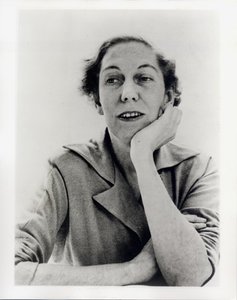
Eudora Alice Welty
1909 - 2001 , United States of America
Quick Facts
- Artistic Movement Or Style: Southern Literature
- Date Of Birth: 1909
- Date Of Death: 2001
- Full Name: Eudora Alice Welty
- Nationality: American
- Notable Artworks:
- Pageant of Birds
- Delta Wedding
- The Optimist's Daughter
- Place Of Birth (City And Country): Jackson, USA