

 Preview
 Send
Send Share
Share
 Details

 Download
 Similars
 X-Ray
X-Ray Diaporama
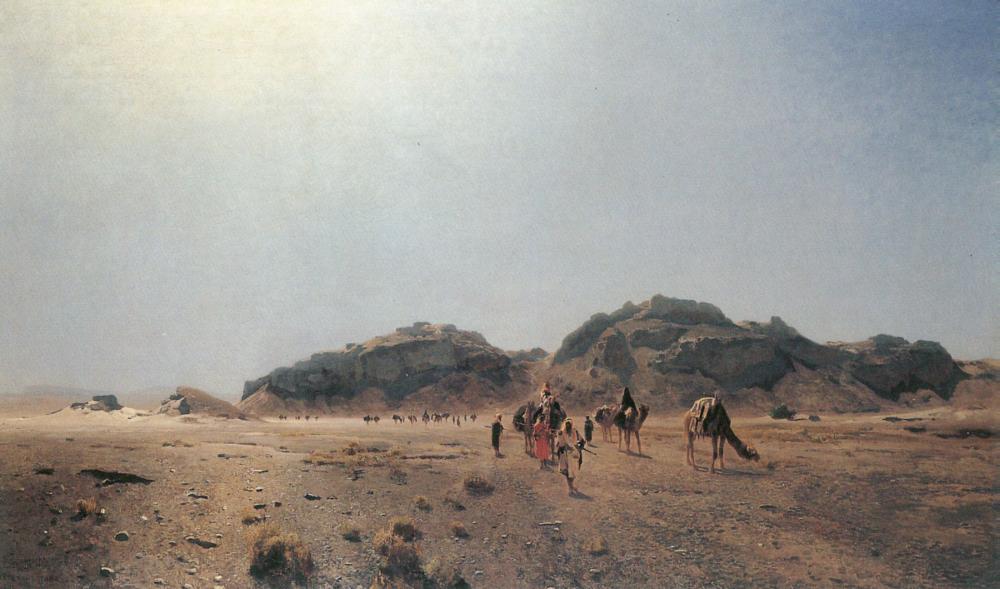
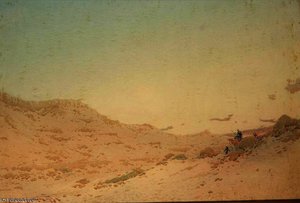
From Arabia Petraea
 1882
1882 121.0 x 202.0 cm
 Read More
Purchase a high-resolution, enhanced digital image, far superior to the online preview.
Each file is meticulously prepared by our in-house specialists using advanced tools and expert manual retouching. We ensure every image has exceptional clarity, precise color accuracy, and fine detail.
The final file is delivered via email within 72 hours, optimized for immediate use in professional, editorial, and print environments. This is the same quality trusted by top-tier design studios, publishers, and galleries.
Digital Image
Download a high-resolution file for personal display, printing, and creative projects. ( Buy Print Buy Hand Made Painting)
Included in Every Digital Image Order
Expert Digital Delivery, Guaranteed
When you choose ArtsDot.com, you're not just getting an image - you're receiving a professionally enhanced digital artwork, crafted with precision and backed by a satisfaction guarantee. Here's everything that comes with your order, automatically:

Fast Email Delivery
Your high-resolution digital image file will be emailed to you within 72 hours of ordering - ready for immediate use.

AI-Enhanced Digital File
Your artwork is professionally optimized using advanced AI tools and manual editing, ensuring maximum detail, clarity, and color accuracy.

Free Lifetime Re-Delivery
Accidentally deleted or lost your file? No worries - we'll resend it to you anytime, free of charge.

No Import Fees - Ever
Enjoy your artwork instantly with zero customs, duties, or delivery fees - digital downloads are always tax-free.

Color Accuracy Guarantee
We ensure your digital image reflects the original colors as closely as possible using professional tools and color management.

60-Day Satisfaction Guarantee
If you're not satisfied with your digital image, we'll revise it or refund 100% within 60 days - no questions asked.

100% Money-Back Guarantee
Not satisfied? Get a full refund within 60 days of receiving your digital file - no questions asked.

Bulk Order Discounts
Buy 3 images, save 10% - Buy 5, save 15% - Buy 10+, save 20%. Great for creative projects, galleries, and agencies.
Related Artworks






Artist Biography
A Life Bridging Romanticism and Impressionism
Eugen Felix Prosper Bracht, born in 1842 in the picturesque Swiss town of Morat to German parents, embarked on a journey that mirrored the shifting artistic currents of his time. His early inclination towards art led him to Darmstadt, Germany, and formal training under Karl Ludwig Seeger at the Academy of Fine Arts in Karlsruhe from 1860-1863. A subsequent period studying with Hans Gude in Düsseldorf proved less fulfilling, prompting a surprising detour into commerce as a merchant in Berlin in 1864. This decade-long hiatus wasn’t an abandonment of artistic passion, but rather a dormancy—a simmering creativity waiting to be rekindled. In 1876, Bracht decisively returned to his calling, rejoining Seeger in Karlsruhe and marking the true beginning of his career as a painter. He quickly established himself as a late Romanticist, drawn to landscapes imbued with mood and atmosphere, particularly those of Northern Germany.The Allure of Distant Shores and Artistic Recognition
A pivotal moment arrived between 1880 and 1881 when Bracht undertook an extended sketching expedition through Syria, Palestine, and Egypt. This journey proved transformative, profoundly influencing his later work with Orientalist themes. He didn’t merely document these lands; he absorbed their essence—the stark beauty of the deserts, the ancient grandeur of the architecture, the subtle play of light across timeless landscapes. These experiences infused his canvases with a unique sensibility, setting him apart from many of his contemporaries who often relied on more conventional Orientalist tropes. In 1882, Bracht’s talent and dedication were formally recognized when he was appointed Professor of Landscape Painting at the prestigious Prussian Academy of Arts in Berlin. This appointment solidified his position within the German art establishment and provided a platform for nurturing future generations of artists. A significant commission followed in 1885: painting the Battle of Chattanooga for the “Philadelphia Panorama Company.” The resulting cyclorama, displayed in Philadelphia and Kansas City, demonstrated Bracht’s ability to translate historical events into immersive visual experiences on a grand scale.Navigating Artistic Currents and Personal Convictions
Bracht's career unfolded against a backdrop of evolving artistic ideologies. While initially aligned with the Romantic tradition, his work gradually absorbed elements of Impressionism, particularly in his later years. This transition wasn’t abrupt but rather a subtle shift towards capturing fleeting moments of light and atmosphere—hallmarks of the burgeoning Impressionist movement. His relationship with Anton von Werner, director of the Berlin Academy, was complex. Though initially supportive, their association fractured during the controversial closure of Edvard Munch’s Berlin exhibition in 1892, revealing Bracht's independent spirit and willingness to defend artistic freedom. Despite this disagreement, he demonstrated his professional commitment by completing von Werner’s unfinished panorama of the Battle of Sedan after the latter’s death. From 1901 until his retirement in 1919, Bracht continued to shape young artists as a professor at the Dresden Academy of Fine Arts, leaving an enduring legacy on German landscape painting. He passed away in Darmstadt in 1921, having witnessed—and contributed to—a period of immense artistic change.A Synthesis of Styles and Enduring Themes
Bracht’s artistic style is characterized by a compelling blend of Romantic emotionality and Impressionistic observation. His early landscapes echo the dramatic intensity of Caspar David Friedrich, while his later works reveal an increasing fascination with capturing the ephemeral qualities of light and atmosphere. The influence of his travels to the Middle East is vividly apparent in his Orientalist scenes, which depict not just exotic locales but also a deep sensitivity to the cultures he encountered. His subject matter consistently revolved around several key themes:- Landscapes: From the rugged beauty of the North German coast to the majestic mountains and arid deserts of the Middle East, landscapes formed the core of Bracht’s artistic exploration.
- Coastal Scenes: He possessed a remarkable ability to capture the dynamic interplay between light and water along Northern European shorelines, imbuing these scenes with a sense of both power and tranquility.
- Orientalist Paintings: His travels inspired a series of evocative works showcasing the unique architecture, landscapes, and cultures of Syria, Palestine, and Egypt.
- Historical Events: As demonstrated by his cyclorama of the Battle of Chattanooga, Bracht also engaged with historical narratives, translating them into large-scale visual spectacles.
A Legacy as a Transitional Figure
Eugen Bracht occupies a significant, though often understated, position in German art history. He stands as a transitional figure—a bridge between the Romantic ideals of the 19th century and the emerging Impressionistic sensibilities of the early 20th. His work reflects the changing artistic landscape of his time, demonstrating both a reverence for tradition and an openness to innovation. Through his professorships at prestigious academies, he played a vital role in art education, shaping the next generation of landscape painters. While perhaps not as widely celebrated today as some of his contemporaries, Bracht’s evocative landscapes and Orientalist scenes continue to offer valuable insights into the artistic and cultural climate of his era—a testament to his enduring legacy as a painter who skillfully captured both the beauty of the world around him and the depths of human emotion.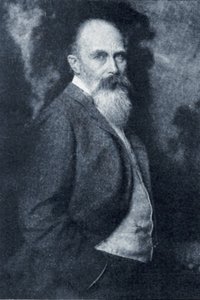
Eugen Felix Prosper Bracht
1842 - 1921 , Switzerland
Quick Facts
- Artistic Movement Or Style: Romanticism, Impressionism
- Artists Or Movements Influenced By This Artist: German Impressionism
- Artists Who Influenced This Artist:
- Karl Ludwig Seeger
- Hans Gude
- Caspar David Friedrich
- Date Of Birth: 1842
- Date Of Death: 1921
- Full Name: Eugen Felix Prosper Bracht
- Nationality: German
- Notable Artworks:
- Gathering Storm
- Genre Scene Alpine Road
- The Heat of the Day
- Battle of Chattanooga
- Place Of Birth: Morat, Switzerland

