

 Preview
 Send
Send Share
Share
 Details

 Download
 Similars
 X-Ray
X-Ray Diaporama
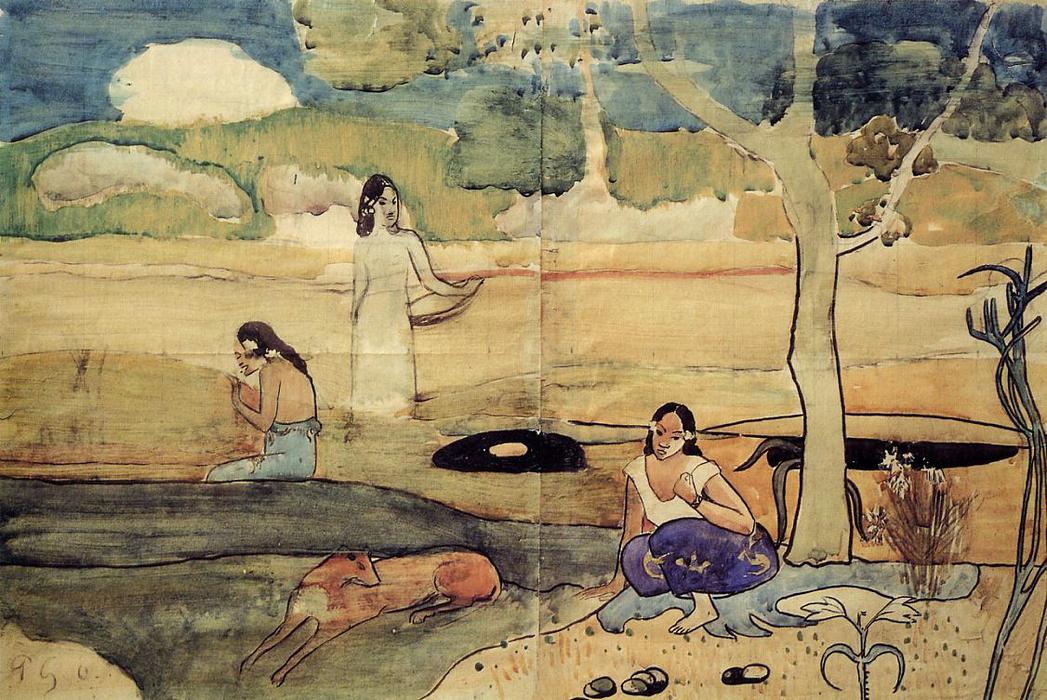
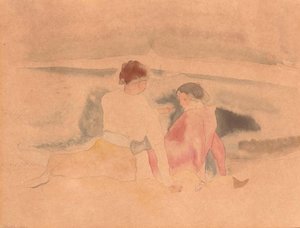
Tahitian Scene


 Read More
Purchase a high-resolution, enhanced digital image, far superior to the online preview.
Each file is meticulously prepared by our in-house specialists using advanced tools and expert manual retouching. We ensure every image has exceptional clarity, precise color accuracy, and fine detail.
The final file is delivered via email within 72 hours, optimized for immediate use in professional, editorial, and print environments. This is the same quality trusted by top-tier design studios, publishers, and galleries.
Digital Image
Download a high-resolution file for personal display, printing, and creative projects. ( Buy Print Buy Hand Made Painting)
Included in Every Digital Image Order
Expert Digital Delivery, Guaranteed
When you choose ArtsDot.com, you're not just getting an image - you're receiving a professionally enhanced digital artwork, crafted with precision and backed by a satisfaction guarantee. Here's everything that comes with your order, automatically:

Fast Email Delivery
Your high-resolution digital image file will be emailed to you within 72 hours of ordering - ready for immediate use.

AI-Enhanced Digital File
Your artwork is professionally optimized using advanced AI tools and manual editing, ensuring maximum detail, clarity, and color accuracy.

Free Lifetime Re-Delivery
Accidentally deleted or lost your file? No worries - we'll resend it to you anytime, free of charge.

No Import Fees - Ever
Enjoy your artwork instantly with zero customs, duties, or delivery fees - digital downloads are always tax-free.

Color Accuracy Guarantee
We ensure your digital image reflects the original colors as closely as possible using professional tools and color management.

60-Day Satisfaction Guarantee
If you're not satisfied with your digital image, we'll revise it or refund 100% within 60 days - no questions asked.

100% Money-Back Guarantee
Not satisfied? Get a full refund within 60 days of receiving your digital file - no questions asked.

Bulk Order Discounts
Buy 3 images, save 10% - Buy 5, save 15% - Buy 10+, save 20%. Great for creative projects, galleries, and agencies.
Collectible Description
A Journey to Paradise: Gauguin's Tahitian Vision
To gaze upon Paul Gauguin’s Tahitian Scene is not merely to look at paint on paper; it is to step through a veil and arrive in a sun-drenched, mythic corner of the Pacific. This watercolor, executed in 1892, captures more than just a tropical tableau—it embodies Gauguin’s profound yearning for an authentic, pre-industrial existence, a spiritual refuge far removed from the perceived artifice of modern European life. The scene unfolds with an almost dreamlike quality, immersing the viewer in the lush embrace of Polynesian life.
Composition and Evocative Subject Matter
The composition itself is a masterclass in dynamic balance. Three figures—women adorned in the natural splendor of their surroundings—are seated upon the earth, accompanied by their loyal dogs. The arrangement is carefully orchestrated; from the woman on the left to the central figure, and finally to the one on the right, each grouping interacts with the vibrant life teeming around them. Notice the delicate placement of the fauna: a bird taking flight above the middle woman seems to lift the entire scene with its energy, while another perches like a silent sentinel in the upper reaches. The inclusion of these animals and the dense, exotic vegetation transforms the setting into a living tapestry, suggesting an intimate coexistence between humanity and nature.
The Brushwork of Post-Impressionism
Technically, this work showcases Gauguin’s signature departure from the fleeting observations of Impressionism. While the subject matter is vibrant, the emotional resonance comes through in his bold use of color and simplified forms. The watercolor medium allows for a luminosity that mimics tropical light filtering through dense foliage. His characteristic flat planes of intense color and strong outlines lend the scene an almost symbolic weight. It is less about optical reality and more about emotional truth—a hallmark of Post-Impressionism where feeling guides the hand.
Symbolism and Cultural Resonance
For the art connoisseur, Tahitian Scene whispers tales of cultural exchange and artistic yearning. Gauguin was perpetually drawn to what he perceived as the unspoiled spirit of non-Western cultures. The women and their serene companionship with their dogs symbolize a harmonious relationship that Gauguin felt was rapidly eroding in the West. The entire scene functions as an allegory—a beautiful, colorful meditation on paradise lost or perhaps, paradise rediscovered through art itself. It speaks to the universal human desire for simplicity and deep connection.
Bringing the Exotic Home
For those who wish to capture this potent atmosphere within their own walls, acquiring a high-quality reproduction of this masterpiece offers an unparalleled opportunity. Owning such a piece allows one to curate a corner of enduring exoticism and artistic depth. It serves not only as a stunning focal point for any room—be it a gallery space or a sunlit drawing-room—but also as a continuous conversation piece, inviting contemplation on art's power to transport the soul across oceans and time.
Related Artworks
Artist Biography
A Life Painted in Bold Strokes: The World of Paul Gauguin
Eugène Henri Paul Gauguin, a name that resonates with vibrant color and rebellious spirit, stands as a pivotal figure in the transition from Impressionism to modern art. Born in Paris in 1848, his life was anything but conventional. His early years were shaped by an unusual upbringing; his father a journalist, and his mother descended from Peruvian aristocracy—her grandmother, Flora Tristan, a pioneering feminist and socialist writer whose ideals undoubtedly resonated within the family. This heritage would profoundly shape Gauguin’s artistic vision, instilling in him a fascination with cultures beyond Europe. A formative period spent in Peru as a child, following his family's relocation in 1850, immersed him in a world vastly different from Parisian society, an experience that lingered and ultimately fueled his quest for authenticity in art. Returning to France after his father’s death, Gauguin received a formal education but found himself drawn not to academia, but to the burgeoning financial world, embarking on a career as a stockbroker—a path seemingly at odds with the artistic destiny that awaited him.From Finance to Artistic Calling
For years, Gauguin led a double life, diligently pursuing his business ventures while secretly nurturing a passion for painting. Initially influenced by the Impressionists, he began experimenting with color and light in his spare time, but soon felt constrained by their dedication to capturing fleeting moments of reality. The financial crisis of 1882 proved a turning point, forcing him to abandon his lucrative career and wholeheartedly embrace his artistic calling. This wasn’t merely a change in profession; it was a fundamental shift in worldview. He sought guidance from Camille Pissarro, who encouraged his development and introduced him to the avant-garde circles of Paris. However, Gauguin quickly began to diverge from Impressionistic principles, yearning for something more expressive, more symbolic—a means of conveying not just what he *saw*, but what he *felt*. This desire led him on a journey of artistic exploration that would take him far beyond the Parisian salons and into the heart of “primitive” cultures. He wasn’t simply interested in depicting these cultures; he sought to absorb their essence, believing they held a purity lost in Western civilization.The Call of Brittany and Tahiti
Gauguin’s artistic evolution was inextricably linked to his travels. He spent time in Brittany, captivated by the rugged landscapes and deeply rooted traditions of its people. This period saw him experimenting with flattened forms, bold outlines, and a simplification of composition—techniques that moved him further away from naturalism and closer to a more symbolic language. But it was his journey to Tahiti in 1891 that truly unleashed his creative potential. Seeking refuge from what he perceived as the stifling constraints of European civilization, Gauguin hoped to find inspiration in Polynesian culture, believing it offered a purer, more authentic way of life. This wasn’t simply an artistic pursuit; it was a spiritual quest. He immersed himself in local customs and beliefs, depicting Polynesian women, landscapes, and religious practices through his unique lens. Influenced by Japanese prints—Japonisme—and medieval art, he developed a distinctive aesthetic characterized by vibrant colors, exotic subject matter, and an air of mystery. Iconic paintings like “Vahine no te miti” (Woman with Mango), “Manao Tupapau” (Watched by the Spirit of the Dead), and “The Day of Gods emerged from this period, solidifying his reputation as a visionary artist. His use of color became increasingly bold and non-naturalistic, serving not to replicate reality but to express emotion and spiritual meaning.Legacy and Controversy
Despite his artistic breakthroughs, Gauguin’s life was often marked by hardship. He struggled with financial difficulties and declining health during his time in Tahiti and later on the Marquesas Islands, where he eventually settled. Yet, he continued to paint prolifically, relentlessly exploring themes of life, death, and spirituality. He died in 1903 on Hiva Oa, a remote island in the Marquesas archipelago, largely unrecognized for his genius. It was only after his death that Gauguin’s work began to receive the acclaim it deserved. Today, he is celebrated as a pivotal figure in the development of modern art, bridging the gap between Impressionism and Symbolism, and paving the way for movements like Fauvism. His use of color, simplified forms, and symbolic imagery profoundly influenced artists such as Pablo Picasso, Henri Matisse, and countless others. However, Gauguin remains a controversial figure due to aspects of his personal life—particularly his relationships with young Polynesian women—which continue to be debated and reinterpreted in light of contemporary ethical considerations. Nevertheless, his artistic contributions are undeniable, and his legacy continues to inspire artists and art lovers around the world. He was a true innovator, a rebel who dared to challenge conventions and forge his own path, leaving behind a body of work that is as captivating and enigmatic as the man himself.Key Influences & Artistic Characteristics
- Impressionism: Early influence on color and light, later rejected for its focus on fleeting reality.
- Japonisme: Inspired flattened perspectives, bold outlines, and decorative patterns.
- Medieval Art: Influenced symbolic imagery and a rejection of strict realism.
- Synthetism: A style developed by Gauguin emphasizing the creation of art based on subjective experience rather than objective observation.
- Primitivism: Fascination with non-Western cultures, believing they offered a more authentic and spiritual way of life. This is reflected in his subject matter and stylistic choices.
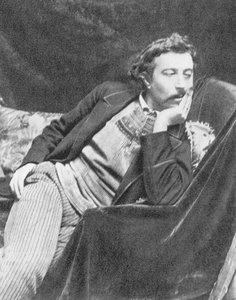
Eugène Henri Paul Gauguin
1848 - 1903 , France
Quick Facts
- Artistic Movement Or Style: Post-Impressionism, Symbolism
- Artists Or Movements Influenced By This Artist:
- Pablo Picasso
- Henri Matisse
- Fauvism
- Artists Who Influenced This Artist: ['Camille Pissarro']
- Date Of Birth: 1848
- Date Of Death: 1903
- Full Name: Eugène Henri Paul Gauguin
- Nationality: French
- Notable Artworks:
- Clearing
- Vahine no te miti
- Manao Tupapau
- Little Breton Shepherd
- Place Of Birth: Paris, France

