

 Preview
 Send
Send Share
Share
 Details

 Download
 Similars
 X-Ray
X-Ray Diaporama
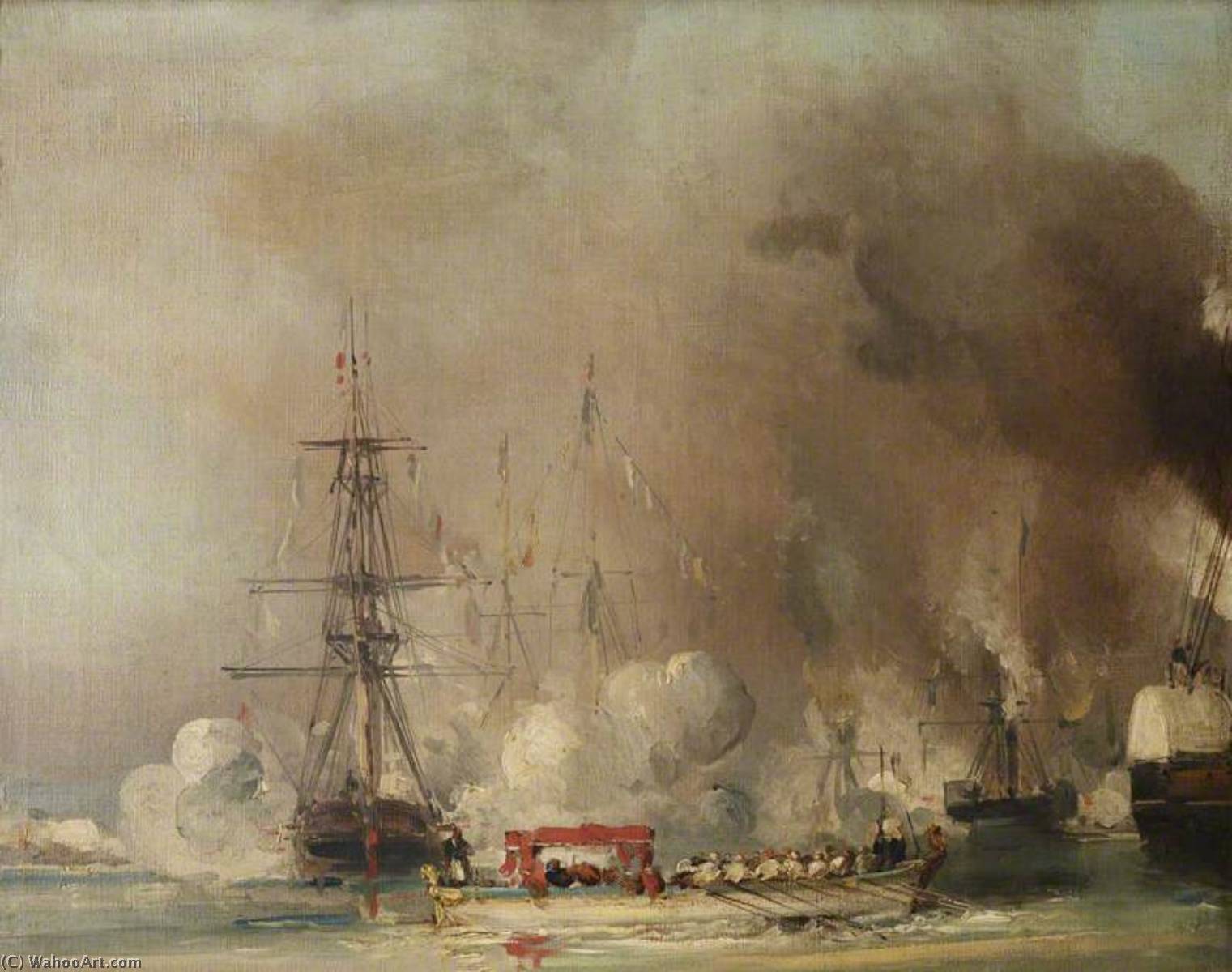
The Departure from Tréport of Queen Victoria, 7 September 1843
 Oil On Canvas
- WallArt
- Romanticism
 1843
1843- 19th Century
 47.0 x 60.0 cm
 National Trust
 Read More
Purchase a high-resolution, enhanced digital image, far superior to the online preview.
Each file is meticulously prepared by our in-house specialists using advanced tools and expert manual retouching. We ensure every image has exceptional clarity, precise color accuracy, and fine detail.
The final file is delivered via email within 72 hours, optimized for immediate use in professional, editorial, and print environments. This is the same quality trusted by top-tier design studios, publishers, and galleries.
Digital Image
Download a high-resolution file for personal display, printing, and creative projects. ( Buy Print Buy Hand Made Painting)
Included in Every Digital Image Order
Expert Digital Delivery, Guaranteed
When you choose ArtsDot.com, you're not just getting an image - you're receiving a professionally enhanced digital artwork, crafted with precision and backed by a satisfaction guarantee. Here's everything that comes with your order, automatically:

Fast Email Delivery
Your high-resolution digital image file will be emailed to you within 72 hours of ordering - ready for immediate use.

AI-Enhanced Digital File
Your artwork is professionally optimized using advanced AI tools and manual editing, ensuring maximum detail, clarity, and color accuracy.

Free Lifetime Re-Delivery
Accidentally deleted or lost your file? No worries - we'll resend it to you anytime, free of charge.

No Import Fees - Ever
Enjoy your artwork instantly with zero customs, duties, or delivery fees - digital downloads are always tax-free.

Color Accuracy Guarantee
We ensure your digital image reflects the original colors as closely as possible using professional tools and color management.

60-Day Satisfaction Guarantee
If you're not satisfied with your digital image, we'll revise it or refund 100% within 60 days - no questions asked.

100% Money-Back Guarantee
Not satisfied? Get a full refund within 60 days of receiving your digital file - no questions asked.

Bulk Order Discounts
Buy 3 images, save 10% - Buy 5, save 15% - Buy 10+, save 20%. Great for creative projects, galleries, and agencies.
A Tempestuous Chronicle on Canvas
To gaze upon this depiction of The Departure from Tréport of Queen Victoria, dated 1843, is to be immediately swept into the heart of maritime drama. This oil on canvas by Eugène Louis Gabriel Isabey transports us not merely to a location, but to a moment suspended between grandeur and chaos. The composition itself speaks volumes; the vast expanse of the ocean serves as both stage and witness to human endeavor. We see warships arrayed with palpable tension—some listing dangerously, others caught in the dramatic aftermath of conflict. The arrangement, featuring several vessels clustered across the frame, suggests an intense narrative unfolding under a brooding sky, capturing the raw energy inherent in naval history.
The Romantic Spirit of Isabey's Brushwork
Eugène Louis Gabriel Isabey, a master of the French Romantic tradition, imbued his canvases with an almost operatic sense of movement. His technique here is masterful, allowing the viewer to feel the spray of salt water and hear the distant cries of cannon fire. The handling of light across the hulls of these ships is particularly noteworthy; it is not a gentle illumination but a dramatic interplay of shadow and sudden gleam, characteristic of Romantic painters who sought to evoke profound emotion rather than mere topographical accuracy. His background in marine landscapes allowed him to render the sea itself as an active participant—a powerful, indifferent force against which human ambition plays out.
Historical Resonance and Emotional Depth
The subject matter anchors this piece firmly within a specific moment of national significance: the departure of Queen Victoria's entourage. Yet, Isabey elevates this historical record into something far more universal. The presence of the smaller support boat near the center acts as a poignant focal point—a symbol of resilience or perhaps necessary aid amidst the larger turmoil. It invites contemplation on themes of passage, transition, and the inherent risks associated with great journeys. For the collector, owning this piece is acquiring not just a painting, but a tangible echo of 19th-century maritime power mixed with deeply personal human drama.
Bringing the Drama Home
For those seeking to infuse an interior space with the gravitas and sweeping romance of the age of sail, this reproduction offers unparalleled depth. The rich tonality and dynamic composition ensure that it will serve as a breathtaking centerpiece. Whether placed in a study evoking scholarly contemplation or a grand hall demanding dramatic flair, its energy remains undiminished. It is a work that demands to be viewed closely, allowing one's eye to trace the arc of every mast and the sweep of every wave, connecting the viewer directly to Isabey’s passionate vision.
Related Artworks



Artist Biography
Eugène Louis Gabriel Isabey: A Romantic Master of Marine Landscapes
Eugène Louis Gabriel Isabey (1803-1886) stands as a pivotal figure in French Romantic painting, particularly renowned for his breathtaking depictions of the sea and coastline. Born into a family steeped in artistic tradition – his father, Jean-Baptiste Isabey, was himself a celebrated painter favored by the imperial court – Isabey’s early life foreshadowed a creative destiny. Initially drawn to seafaring adventures, he swiftly recognized that his true vocation lay within the realm of art, spurred on by his father's insistence against pursuing a more conventional path. This decision proved transformative, propelling him toward intensive study at the Louvre and collaborative endeavors with fellow landscape artist Xavier Leprince in Honfleur, establishing a formative partnership that would endure until Leprince’s untimely demise.- Early Training & Influences: Isabey's artistic education began under his father’s tutelage, where he diligently absorbed the stylistic principles of Old Masters like Rembrandt and Vermeer. The Louvre served as a crucible for honing his observational skills and developing an appreciation for tonal harmony—a technique that would become characteristic of his oeuvre.
- Honfleur & Collaboration: His association with Leprince at Honfleur proved invaluable, fostering a shared passion for capturing the dramatic beauty of Brittany’s coastline. Together, they produced canvases brimming with atmospheric perspective and nuanced color palettes, reflecting the burgeoning Impressionist movement's nascent explorations of light and shadow.
- Salon Exhibitions & Recognition: Isabey debuted his artistic talent at the Salon in 1831, garnering initial acclaim for landscapes showcasing the naval campaign in Morocco—a journey undertaken with Eugène Delacroix, whose influence extended beyond mere companionship; Delacroix’s bold experimentation with color and brushwork undoubtedly shaped Isabey's evolving style.
Royal Patronage & Artistic Evolution
Isabey ascended to prominence during Louis-Philippe’s reign (1830-1848), securing a prestigious position as court painter—a distinction symbolized by his knighthood in the Légion d'honneur. This patronage afforded him access to influential circles and fueled his artistic ambition, resulting in monumental canvases like “The Return of Napoleon from Elba,” commemorating Napoleon Bonaparte’s triumphant return from exile aboard the Belle Poule. During this period, Isabey embraced a more expressive approach, prioritizing dramatic lighting and emotive color combinations—a stylistic hallmark that distinguishes him from earlier Romantic painters. Notably, he studied Turner's masterful handling of atmospheric effects, recognizing the power of tonal gradation to convey mood and grandeur.- Notable Paintings: Among Isabey’s most celebrated works are “Rocks at Saint-Malo,” “Fishing Boats on a Beach,” and “The Return of Napoleon from Elba,” each demonstrating his exceptional ability to render the subtleties of marine landscapes with remarkable precision and emotional resonance.
- Teaching & Mentorship: Recognizing the importance of artistic transmission, Isabey established a studio where he nurtured the talents of aspiring artists—including Eugène Boudin, Johan Barthold Jongkind, and Durand-Brager—solidifying his legacy as a formative influence on subsequent generations of painters.
Legacy & Historical Significance
Isabey’s contribution to French Romantic art transcends mere stylistic innovation; he embodies the spirit of the era's fascination with nature and its exploration of psychological depth. His canvases serve as windows into a bygone world, capturing not only visual splendor but also the emotional complexities inherent in human experience—particularly the anxieties surrounding change and uncertainty. Isabey’s unwavering dedication to his craft and his enduring influence on fellow artists cemented his place among the luminaries of 19th-century art, ensuring that his evocative depictions of the sea continue to captivate audiences today. He remains a testament to the transformative power of artistic passion and the indelible mark left by those who strive to capture the sublime beauty of the natural world.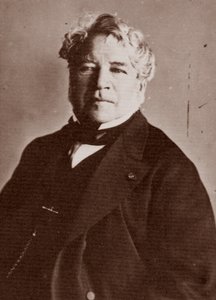
eugène louis gabriel isabey
1803 - 1886 , France
Quick Facts
- Artistic Movement Or Style: Romanticism
- Artists Or Movements Influenced By This Artist: ['Claude Joseph Vernet']
- Artists Who Influenced This Artist:
- Jean Auguste Dominique Ingres
- Jacques-Nicolas Augustin Cochin
- Date Of Birth: Paris, France (1803)
- Date Of Death: 1886
- Full Name: Eugène Louis Gabriel Isabey
- Nationality: French
- Notable Artworks:
- L'embarquement de l'Amiral Ruyter
- Rocks at Saint-Malo
- Fishing Boats on a Beach
- Place Of Birth: Paris

