

 Preview
 Send
Send Share
Share
 Details

 Download
 Similars
 X-Ray
X-Ray Diaporama
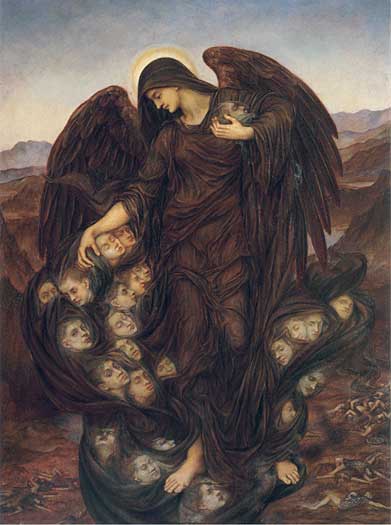
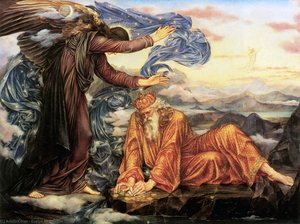
The Field of the Slain

 Read More
Purchase a high-resolution, enhanced digital image, far superior to the online preview.
Each file is meticulously prepared by our in-house specialists using advanced tools and expert manual retouching. We ensure every image has exceptional clarity, precise color accuracy, and fine detail.
The final file is delivered via email within 72 hours, optimized for immediate use in professional, editorial, and print environments. This is the same quality trusted by top-tier design studios, publishers, and galleries.
Digital Image
Download a high-resolution file for personal display, printing, and creative projects. ( Buy Print Buy Hand Made Painting)
Included in Every Digital Image Order
Expert Digital Delivery, Guaranteed
When you choose ArtsDot.com, you're not just getting an image - you're receiving a professionally enhanced digital artwork, crafted with precision and backed by a satisfaction guarantee. Here's everything that comes with your order, automatically:

Fast Email Delivery
Your high-resolution digital image file will be emailed to you within 72 hours of ordering - ready for immediate use.

AI-Enhanced Digital File
Your artwork is professionally optimized using advanced AI tools and manual editing, ensuring maximum detail, clarity, and color accuracy.

Free Lifetime Re-Delivery
Accidentally deleted or lost your file? No worries - we'll resend it to you anytime, free of charge.

No Import Fees - Ever
Enjoy your artwork instantly with zero customs, duties, or delivery fees - digital downloads are always tax-free.

Color Accuracy Guarantee
We ensure your digital image reflects the original colors as closely as possible using professional tools and color management.

60-Day Satisfaction Guarantee
If you're not satisfied with your digital image, we'll revise it or refund 100% within 60 days - no questions asked.

100% Money-Back Guarantee
Not satisfied? Get a full refund within 60 days of receiving your digital file - no questions asked.

Bulk Order Discounts
Buy 3 images, save 10% - Buy 5, save 15% - Buy 10+, save 20%. Great for creative projects, galleries, and agencies.
Collectible Description
The Field of the Slain: A Poignant Pre-Raphaelite Masterpiece
- Artist: Evelyn de Morgan née Pickering (1855-1919)
- Date: Unknown
- Style: Pre-Raphaelite, Symbolism
A Scene of Mourning and Spiritual Solace
“The Field of the Slain” by Evelyn de Morgan is a deeply moving allegorical painting that evokes a sense of profound loss and spiritual solace. The artwork presents a dramatic scene centered around a winged female figure, seemingly mourning or gathering the souls of fallen bodies strewn across a desolate landscape. This vertically oriented composition emphasizes the grandeur of the central figure as she dominates the frame, positioned slightly off-center to create visual interest. Below her lies a chaotic yet meticulously rendered field of deceased figures, depicted in muted tones and overlapping forms, creating a powerful sense of tragedy.
Symbolism and Interpretation
The painting is rich with symbolic elements that invite contemplation. The winged female figure is likely an angel or personification of grief, embodying compassion and spiritual guidance amidst devastation. The fallen bodies represent mortality and the universal experience of loss, while the hazy landscape with distant mountains under a pale sky adds to the somber atmosphere. The halo-like glow around the central figure’s head suggests a divine presence, hinting at redemption or spiritual solace for those who have passed. De Morgan's work often explored Spiritualist beliefs; this painting may represent the moment souls are taken from the corporal into the spiritual realm.
Artistic Technique and Influences
De Morgan’s technique demonstrates a clear influence of the Pre-Raphaelite movement, characterized by its detailed rendering, symbolic subject matter, and emotional intensity. The use of oil paints creates soft, painterly textures, with subtle gradations of tone and texture achieved through layering and blending colors. Strong outlines define the figure's form, while softer lines create depth within the field of bodies. The color palette is predominantly earthy and subdued – browns, ochres, and grays – punctuated by hints of pink and purple in the sky and on some faces, providing subtle contrast. The perspective is somewhat flattened, intensifying the emotional impact and drawing the viewer into the scene's somber mood.
Historical Context and De Morgan’s Legacy
“The Field of the Slain” was likely created around 1916, a period marked by the horrors of World War I. While avoiding overtly political statements, the painting resonates with the devastation of war, reflecting De Morgan's pacifist beliefs. Evelyn de Morgan (née Pickering) was a significant figure in late 19th and early 20th century British art, known for her allegorical works exploring spirituality, mythology, feminism, and pacifism. Her paintings are now celebrated for their emotional depth, intricate symbolism, and technical mastery, making “The Field of the Slain” a compelling example of her artistic vision.
Related Artworks

![Vida De Miguel De Cervantes Saavedra (life Of Miguel De Cervantes Saavedra). Book V Of The Edition Of Don Quixote (biblioteca Nacional De España)\n\n[7] — Martín Fernández De Navarrete Y Ximénez De Tejada, Academic Art](/media/artworks/images-thumb/8c/b6/8cb67a4dd450447373a546c8dd039e57.jpg)
Artist Biography
Evelyn De Morgan (née Pickering): A Visionary Voice of Symbolism
Evelyn De Morgan, born Evelyn Pickering in 1855, stands as a remarkable testament to artistic perseverance and a singular voice within the British Pre-Raphaelite movement. Despite facing societal constraints typical of Victorian women artists—limited access to formal training and professional recognition—De Morgan carved out an extraordinary career dedicated to exploring themes of femininity, spirituality, mythology, and pacifism through her evocative paintings.
- Early Life & Education: Evelyn Pickering’s upbringing instilled in her a deep appreciation for the arts from a young age. Her father, Sir Henry Pickering, was a prominent physician and encouraged her artistic pursuits. However, formal art education was scarce for women at the time, necessitating self-directed study and experimentation.
- Emergence as Artist: De Morgan began honing her skills independently, initially focusing on watercolor landscapes before transitioning to oil painting in her late twenties. Influenced by artists like Dante Gabriel Rossetti and William Holman Hunt—fellow members of the Pre-Raphaelites—she adopted a distinctive style characterized by luminous color palettes and meticulous detail.
- The Influence of Symbolism: De Morgan’s artistic vision embraced the burgeoning Symbolist movement, rejecting realism in favor of conveying emotional truths and exploring psychological complexities. She drew inspiration from folklore, mythology, and esoteric traditions, imbuing her canvases with layers of symbolic meaning.
Notable Works & Artistic Style: De Morgan’s oeuvre comprises over 800 paintings and drawings, predominantly depicting nude female figures in intimate settings. Her celebrated compositions include “The Daughters of Albion,” a haunting portrayal of mythological figures embodying decay and beauty—a deliberate challenge to Victorian ideals of femininity—and “Lilacs,” which captures the ethereal grace of a woman bathed in violet light.
- Technique: De Morgan’s meticulous brushwork and masterful use of color achieved unparalleled luminosity. She employed glazing techniques, layering translucent washes of pigment to create depth and atmosphere—a hallmark of Pre-Raphaelite painting.
- Themes & Symbolism Revisited: Recurring motifs in De Morgan's work—flowers, lilies, serpents—represent concepts such as purity, resurrection, temptation, and transformation. Her paintings are laden with psychological insight, reflecting her own personal struggles with illness and loss.
Legacy & Historical Significance: Evelyn De Morgan’s contribution to British art is undeniable. Though initially marginalized by the male-dominated artistic establishment of her era, she persevered in pursuing her creative passions despite considerable adversity. Her unflinching exploration of female subjectivity and her masterful depiction of beauty—both physical and spiritual—continue to resonate with audiences today. She remains a pivotal figure in understanding the complexities of Victorian culture and the enduring power of Symbolist art.
- Recognition & Influence: De Morgan’s work gained recognition posthumously, securing her place among Britain's most accomplished artists. Her influence extended beyond painting, inspiring subsequent generations of female artists to embrace bold artistic expression.
Concluding Thoughts
Evelyn De Morgan’s life was marked by both personal hardship and artistic triumph—a testament to the transformative potential of creativity in overcoming societal limitations. Her unwavering dedication to her craft, coupled with her profound engagement with philosophical ideas and mythological narratives, cemented her reputation as a visionary artist whose legacy continues to inspire admiration and scholarly study.
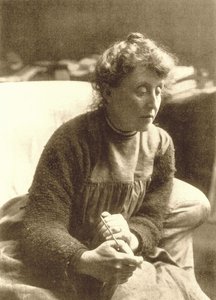
evelyn de morgan née pickering
1855 - 1919
Quick Facts
- Artistic Movement Or Style: Pre-Raphaelite & Symbolist
- Artists Or Movements Influenced By This Artist: ['Gustav Klimt']
- Artists Who Influenced This Artist:
- John Ruskin
- William Holman Hunt
- Date Of Birth: 1855
- Date Of Death: 1919
- Full Name: Evelyn Pickering De Morgan
- Nationality: British
- Notable Artworks:
- The Sleepers
- Lilacs
- Venus and Adonis
- Place Of Birth: London, England

