 Preview
 Send
Send Share
Share
 Details

 Download
 Similars
 X-Ray
X-Ray Diaporama
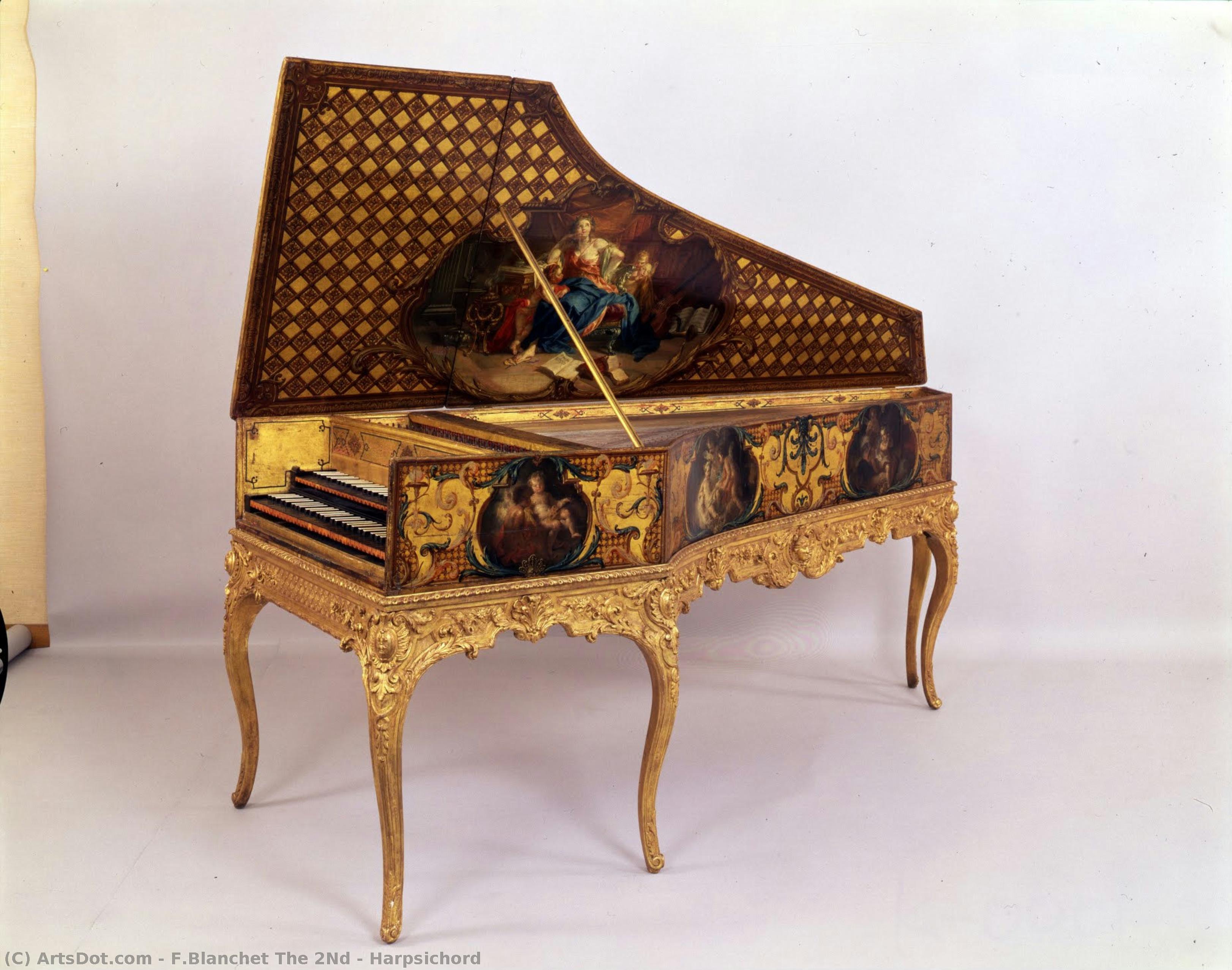
Harpsichord

 Read More
Hand Made Oil Reproduction
Hand-painted oil on canvas in your size and frame, made to order by our artists. ( Buy Print Buy Image)




































Pick from our preset sizes that match the artwork's original proportions.

You may enter your own dimensions to fit a specific frame or space. If your selected size does not match the original image's proportions, we will either crop the artwork or extend the painting with additional hand-painted elements. A digital mockup will be sent for your approval before production begins.
Please note that the on-screen preview does not reflect the actual cropping or extension. Only the mockup will accurately show the final composition.
While custom sizes are available, we recommend selecting a dimension from the predefined list to preserve the original proportions.
After order, ArtsDot.com team will email client for instructions and provide a mockup preview
Worldwide Delivery () in 3/4 weeks instead of standard 5 weeks. (21 August). No compromise on quality.

Free Worldwide Express Shipping

High-Quality Linen Canvas

Full Shipping Insurance

Customs Tax Refund Guarantee

True Color Matching Guarantee

60-Day Return Policy (Defects Only)

100% Money-Back Guarantee

Bulk Discount Offer
 Glass option is only available in size under 110 CM

Harpsichord
Reproduction Medium
Reproduction Size
-


Total Price
$ 263
Related Artworks








Artist Biography
François-Étienne Blanchet: A Parisian Harpsichord Maker Bridging Baroque Elegance and Artistic Innovation
François-Étienne Blanchet (c. 1695 – 1761) stands as a pivotal figure in the history of French harpsichord making, embodying the refined aesthetic sensibilities of the Baroque era while simultaneously demonstrating an astute understanding of musical innovation. Born in Reims, France, Blanchet’s life was inextricably linked to the vibrant artistic and intellectual currents flowing through Paris during his formative years—a city that would become both his home and the epicenter of his prolific craftmanship. His legacy rests not merely on producing instruments of exceptional beauty but also on adapting established designs to meet evolving musical demands, securing his place as one of the most influential makers of his time.- Early Life and Training: Blanchet’s father, Nicolas Blanchet I, was already a respected harpsichord maker when François-Étienne embarked upon his apprenticeship around 1715. This familial connection instilled in him a deep appreciation for the craft and ensured access to invaluable knowledge passed down through generations of instrument makers—a tradition that prioritized meticulous craftsmanship and adherence to classical principles.
- The Parisian Workshop: Blanchet established his workshop in Paris shortly after marrying Elisabeth Gobin in 1727, consolidating a family tradition of excellence. His studio quickly gained renown for producing instruments characterized by their elegance and tonal qualities—attributes highly sought after by musicians of the period.
- Royal Patronage and Artistic Recognition: Blanchet’s fortunes shifted dramatically when he secured patronage from Nicolas Vleughels, Director of the Académie de France in Rome, and subsequently from Armand Louis Couperin, French Ambassador to the Holy See. This royal backing afforded him unparalleled opportunities for artistic exploration and propelled his reputation as a master craftsman.
Instrumental Innovation: Adapting Tradition to Musical Progress
Blanchet’s contribution to harpsichord making extended beyond mere replication of existing designs. Recognizing the growing importance of musical expression, he pioneered techniques for enlarging instruments—a practice known as *ravalement*—to achieve greater tonal range and projection. This transformative approach mirrored developments occurring across Europe, particularly in Flanders, where Ruckers harpsichords were undergoing similar modifications. Blanchet’s workshop meticulously recreated the soundboard of original Ruckers instruments, preserving their distinctive timbre while enhancing their overall performance capabilities.- Notable Commissions: Blanchet's instruments graced the homes of prominent musicians and aristocratic families—including François Couperin and Johann Mandelberg—demonstrating his renown within the musical community. These commissions underscored not only his technical prowess but also his understanding of the aesthetic sensibilities of his era.
- The Legacy of Taskin: Blanchet’s protégé, Pascal Taskin, continued his father's workshop after Blanchet’s untimely death in 1766, ensuring that Blanchet’s innovative techniques and artistic vision endured. Taskin’s instructional textbook *Méthode abrégée pour accorder le clavecin et le piano* cemented Blanchet’s influence on subsequent generations of instrument makers.
A Parisian Voice in Baroque Art: Artistic Output and Recognition
Blanchet's artistic output encompassed a diverse range of projects—primarily portrait paintings—that reflected the stylistic conventions prevalent in Paris during his lifetime. His depiction of Tolozan de Montfort exemplifies his characteristic elegance and subtle tonal palette, showcasing his mastery of capturing psychological nuance alongside technical precision. Furthermore, Blanchet’s involvement with monumental fresco commissions—most notably “The Vision of Constantine” at Sainte-Marie-la-Chiappe—established him as a significant contributor to the artistic landscape of Rome.- Santa Maria della Cella: Blanchet's contribution to Santa Maria della Cella’s monumental fresco cycle solidified his reputation as one of the foremost artists of his time.
- Brooklyn Museum: His instrument, “The End of Pinky,” is currently housed at Brooklyn Museum.
Concluding Reflections: Blanchet's Enduring Influence
François-Étienne Blanchet’s legacy transcends the realm of instrument making; he represents a cornerstone of French Baroque art and musical culture. His innovative approach to harpsichord design—characterized by meticulous craftsmanship and an astute awareness of evolving musical trends—continues to inspire admiration among scholars and musicians alike. By adapting established traditions while simultaneously embracing artistic experimentation, Blanchet secured his place as one of the most influential figures in the history of French instrument making—a testament to the transformative power of artistic vision and technical mastery.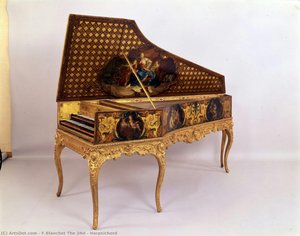
f.blanchet the 2nd
1761 , France
Quick Facts
- Artistic Movement Or Style: Academic Portrait Painting
- Artists Or Movements Influenced By This Artist: ['Nicolas Vleughels']
- Artists Who Influenced This Artist: ['Giulio Romano']
- Date Of Death: 1772
- Full Name: Louis Gabriel Blanchet
- Nationality: French
- Notable Artworks: ['Vision of Constantine']
- Place Of Birth: Paris, France