

 Preview
 Send
Send Share
Share
 Details

 Download
 Similars
 X-Ray
X-Ray Diaporama
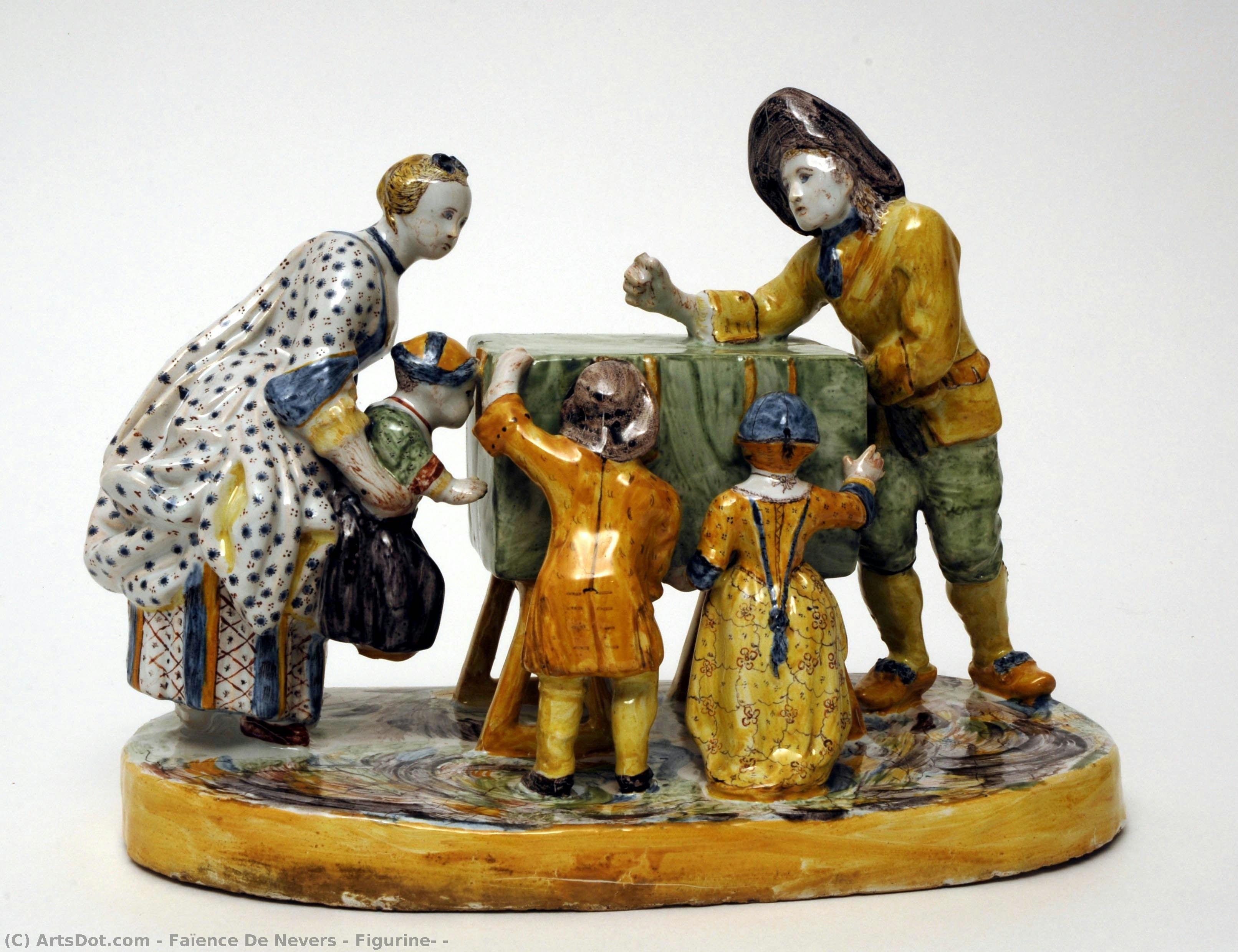
Figurine:

 Read More
Purchase a high-resolution, enhanced digital image, far superior to the online preview.
Each file is meticulously prepared by our in-house specialists using advanced tools and expert manual retouching. We ensure every image has exceptional clarity, precise color accuracy, and fine detail.
The final file is delivered via email within 72 hours, optimized for immediate use in professional, editorial, and print environments. This is the same quality trusted by top-tier design studios, publishers, and galleries.
Digital Image
Download a high-resolution file for personal display, printing, and creative projects. ( Buy Print Buy Hand Made Painting)
Included in Every Digital Image Order
Expert Digital Delivery, Guaranteed
When you choose ArtsDot.com, you're not just getting an image - you're receiving a professionally enhanced digital artwork, crafted with precision and backed by a satisfaction guarantee. Here's everything that comes with your order, automatically:

Fast Email Delivery
Your high-resolution digital image file will be emailed to you within 72 hours of ordering - ready for immediate use.

AI-Enhanced Digital File
Your artwork is professionally optimized using advanced AI tools and manual editing, ensuring maximum detail, clarity, and color accuracy.

Free Lifetime Re-Delivery
Accidentally deleted or lost your file? No worries - we'll resend it to you anytime, free of charge.

No Import Fees - Ever
Enjoy your artwork instantly with zero customs, duties, or delivery fees - digital downloads are always tax-free.

Color Accuracy Guarantee
We ensure your digital image reflects the original colors as closely as possible using professional tools and color management.

60-Day Satisfaction Guarantee
If you're not satisfied with your digital image, we'll revise it or refund 100% within 60 days - no questions asked.

100% Money-Back Guarantee
Not satisfied? Get a full refund within 60 days of receiving your digital file - no questions asked.

Bulk Order Discounts
Buy 3 images, save 10% - Buy 5, save 15% - Buy 10+, save 20%. Great for creative projects, galleries, and agencies.
Related Artworks



Artist Biography
Faïence de Nevers: Echoes of Italy and the Dawn of European Ceramics
The story of faïence de Nevers is inextricably linked to a confluence of ambition, artistic influence, and technological innovation. Established in the late 16th century within the historic city of Nevers, France, this ceramic production wasn’t merely a local craft; it represented a bold attempt to emulate the exquisite beauty of Italian maiolica while simultaneously forging its own distinct identity. The origins lie with Louis Gonzaga, Duke of Nevers, a man deeply immersed in European politics and possessing a keen eye for luxury – he sought replacements for his silver tableware, leading him to commission skilled artisans to replicate the vibrant colors and intricate designs of Renaissance ceramics.
Nevers’s early success was built upon a foundation of existing pottery traditions within the region. However, the arrival of Italian potters, particularly those hailing from Faenza – renowned for its delicate glazes and elaborate painted scenes – proved transformative. These artisans brought with them not just technical expertise but also a deep appreciation for the classical motifs and narrative storytelling that characterized Italian maiolica. The resulting wares quickly gained popularity amongst the French court, establishing Nevers as one of the foremost producers of fine ceramics in Europe. The city’s strategic location—near abundant clay deposits, forests for fuel, and along the vital Loire River – further solidified its position as a center for ceramic production.
The Istoriato Style: A Window to the World
Nevers faience quickly distinguished itself through its mastery of the “istoriato” style. This technique involved meticulously hand-painting elaborate, continuous scenes onto the white background of the ceramics – often depicting historical events, mythological subjects, or biblical narratives. Unlike simpler painted designs, istoriato pieces demanded immense skill and patience from the artists, who would spend weeks, even months, painstakingly recreating complex compositions. These panels weren’t merely decorative; they functioned as visual encyclopedias, educating viewers on history, mythology, and religious doctrine. The scenes frequently featured figures in elaborate costumes and settings, offering a glimpse into the world of the wealthy elite.
The influence of Italian maiolica is undeniable, but Nevers potters quickly developed their own unique interpretations. They incorporated elements of French courtly taste – opulent fabrics, refined portraits, and detailed landscapes – alongside classical motifs. Furthermore, in the 17th century, a remarkable innovation emerged: Nevers faience became a pioneer in imitating Asian ceramic styles, particularly those from China and Japan. This reflected a broader European fascination with the East and a desire to incorporate exotic imagery into their ceramics. The adoption of techniques like cobalt blue glazes, inspired by Chinese porcelain, marked a significant departure from traditional European methods and demonstrated Nevers’s adaptability and artistic ambition.
Technique and Production
The production process was a complex undertaking involving multiple stages. First, the clay was prepared and shaped – often using molds for standardized forms like vases, ewers, and plates. The pieces were then glazed with a tin-based enamel, creating the characteristic white background. It was during this glazing stage that the cobalt blue glaze was applied, providing the distinctive color that would later become synonymous with Nevers faience. Finally, the intricate scenes were painted by hand using pigments mixed with gum arabic and other binders. The finished pieces were then fired in a kiln at high temperatures, resulting in durable and beautiful ceramics.
The factory system was highly organized, employing numerous artisans – potters, painters, glaziers, and assistants. Several workshops operated simultaneously, each specializing in different aspects of the production process. The Conrade family, particularly Dominique and Antoine, played a pivotal role in shaping Nevers’s ceramic tradition for over a century, establishing a dynasty of skilled potters.
A Legacy of Beauty and Decline
Nevers faience reached its zenith in the second half of the 17th century, producing some of the most exquisite and sought-after ceramics in Europe. The wares were prized by royalty and nobility across France and beyond, adorning palaces and private collections alike. However, the rise of English creamware in the late 18th century dealt a significant blow to Nevers’s reputation. The superior quality and affordability of English porcelain undermined the market for French faience, leading to a gradual decline in production.
Despite this downturn, Nevers faience didn't disappear entirely. A revival occurred in the late 19th century, driven by a renewed interest in historical ceramics and a desire to preserve a valuable cultural heritage. Today, small quantities of faïence de Nevers are still produced, primarily for collectors and enthusiasts. These rare and exquisite pieces stand as a testament to the artistry, innovation, and enduring legacy of this remarkable ceramic tradition – a vibrant echo of Italy’s Renaissance splendor within the heart of France.
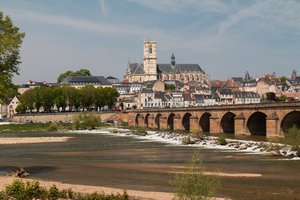
faïence de nevers
France
Quick Facts
- Artistic Movement Or Style: Faience, Istoriato
- Artists Or Movements Influenced By This Artist: ['European faience makers']
- Artists Who Influenced This Artist:
- Italian Renaissance maiolica
- Asian ceramic styles
- Date Of Birth: Nevers, France (unknown)
- Date Of Death: Living
- Full Name: faïence de Nevers
- Nationality: French
- Notable Artworks:
- Figurine
- Ceramic vases
- Place Of Birth: Nevers, France

