 Preview
 Send
Send Share
Share
 Details

 Download
 Similars
 X-Ray
X-Ray Diaporama
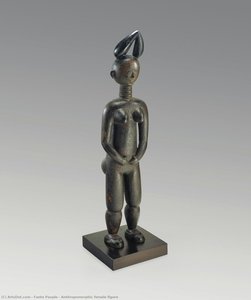
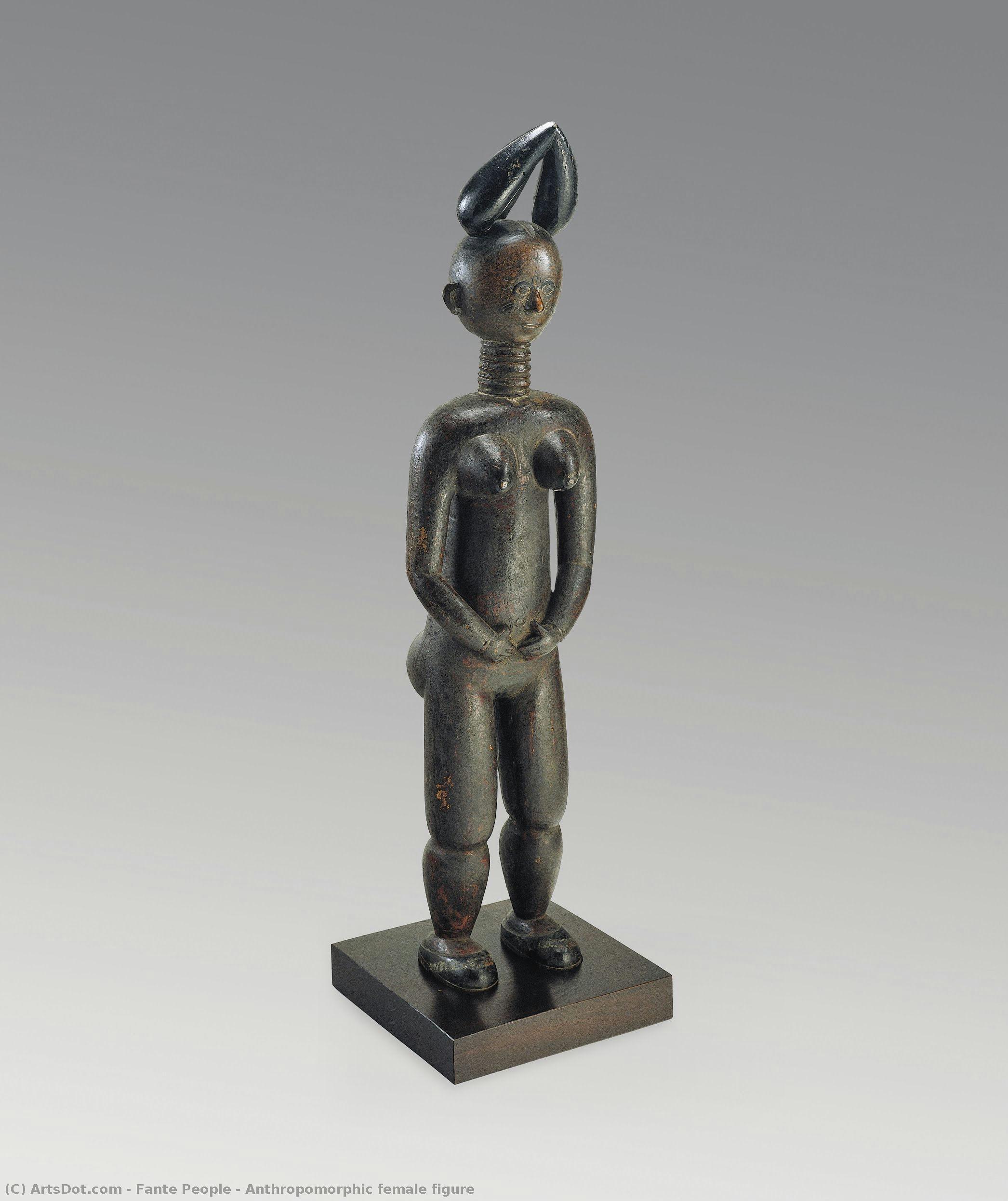
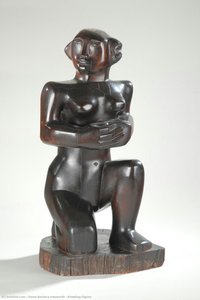
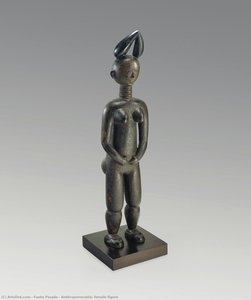
Anthropomorphic female figure


 Read More
Giclée / Art Print
Museum-quality giclée or canvas print with fast production and flexible finish options. ( Buy Hand Made Painting Buy Image)




































Pick from our preset sizes that match the artwork's original proportions.

You may enter your own dimensions to fit a specific frame or space. If your selected size does not match the original image's proportions, we will either crop the artwork or extend the image with a mirrored or solid-fill edge. A digital mockup will be sent for your approval before production begins.
Please note that the on-screen preview does not reflect the actual cropping or extension. Only the mockup will accurately show the final composition.
While custom sizes are available, we recommend selecting a dimension from the predefined list to preserve the original proportions.
Worldwide Delivery () in 2 weeks instead of standard 4/5 weeks. (28 August)

Free Worldwide Express Shipping

High-Quality Linen Canvas

Full Shipping Insurance

Customs Tax Refund Guarantee

True Color Matching Guarantee

60-Day Return Policy (Defects Only)

100% Money-Back Guarantee

Bulk Discount Offer
 Glass option is only available in size under 110 CM

Anthropomorphic female figure
Giclée / Art Print
Reproduction Size
-


Total Price
$ 63
Related Artworks






Artist Biography
A Tapestry of Resilience: The Artistic Soul of the Fante People
To understand the artistic essence of the Fante people, one must first traverse the vibrant landscapes of central and western Ghana, where the rhythmic pulse of the Atlantic meets the lush greenery of the coastal forests. Known also as mfantsefo, this community represents a profound cultural fusion, a living tapestry woven from the ancient threads of Akan and Guan heritages. Their story is not merely one of geographic movement—from the Tepa region toward the establishment of great states like Abora, Ekumfi, and Mankessim—but a saga of adaptation and creative endurance. The Fante identity is anchored in the principle of matrilineal descent, a social structure that has historically informed their communal art, where lineage and legacy are etched into every pattern and totem.
The evolution of Fante creativity is inextricably linked to their historical encounters with the wider world. From the 15th century, as Portuguese, Dutch, and British merchants arrived on the Gold Coast, the Fante people engaged in a complex dance of trade and diplomacy. This era of interaction brought more than just gold and ivory; it introduced new materials and aesthetic perspectives that subtly permeated their indigenous crafts. Yet, even amidst the pressures of colonial influence and the turbulent years of the Asante Wars, the Fante maintained a fierce cultural autonomy. Their art became a vessel for resistance and a celebration of identity, blending local symbolism with newfound global influences to create something entirely unique to the coastal Ghanaian spirit.
Symbolism and the Spirit of the Asafo
Perhaps no element of Fante culture captures the dramatic interplay of social organization and visual storytelling quite like the Asafo companies. These traditional warrior groups, organized by family lineages or abusua, serve as the heartbeat of Fante social life. Each company is defined by its own distinct totems, colors, and flags, which function as much more than mere military insignia. They are profound works of symbolic communication, utilizing bold imagery to convey historical triumphs, religious devotion, and communal strength. In the hands of the Fante, art is never a passive ornament; it is an active participant in the rituals of leadership and the transmission of ancestral knowledge.
The visual language of the Fante is characterized by a deep reverence for the natural and spiritual worlds. This is evident in their diverse artistic traditions, ranging from intricate textiles to anthropomorphic figures that bridge the gap between the human and the divine. The following elements define much of their creative output:
- Textile Artistry: The use of vibrant fabrics that serve as canvases for cultural narratives and social status.
- Totemic Imagery: The integration of animal and plant motifs within Asafo flags to represent the strength and character of specific lineages.
- Material Fusion: The skillful blending of indigenous materials with elements introduced through maritime trade, creating a layered aesthetic.
A Lasting Legacy in the Modern Era
The historical significance of Fante artistry lies in its ability to remain dynamic rather than static. While rooted in ancient migrations and traditional structures, their creative expressions have continuously evolved to reflect the changing political landscape of Ghana. The establishment of the Fante Confederacy in the 19th century and the subsequent shifts in regional power all left imprints on the communal psyche, which in turn nourished their artistic development. Today, the legacy of the mfantsefo continues to resonate through the intricate designs found in West African crafts and the enduring strength of their cultural institutions.
As we look upon the artifacts and traditions of the Fante people, we see more than just historical relics; we witness a continuous dialogue between the past and the present. Their art remains a testament to a people who have mastered the art of transformation—taking the challenges of migration, trade, and conflict and refining them into a sophisticated, enduring aesthetic that continues to inspire awe and admiration across the globe.
fante people
Ghana
Quick Facts
- Artistic Movement Or Style: Traditional Fante Art
- Date Of Birth: Tepa, Ghana ()
- Date Of Death: Living
- Full Name: fante people
- Nationality: African
- Notable Artworks: ['Anthropomorphic female figure']
- Place Of Birth: Ghana