 Preview
 Send
Send Share
Share
 Details

 Download
 Similars
 X-Ray
X-Ray Diaporama
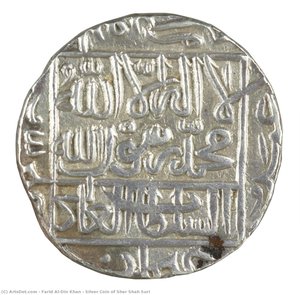
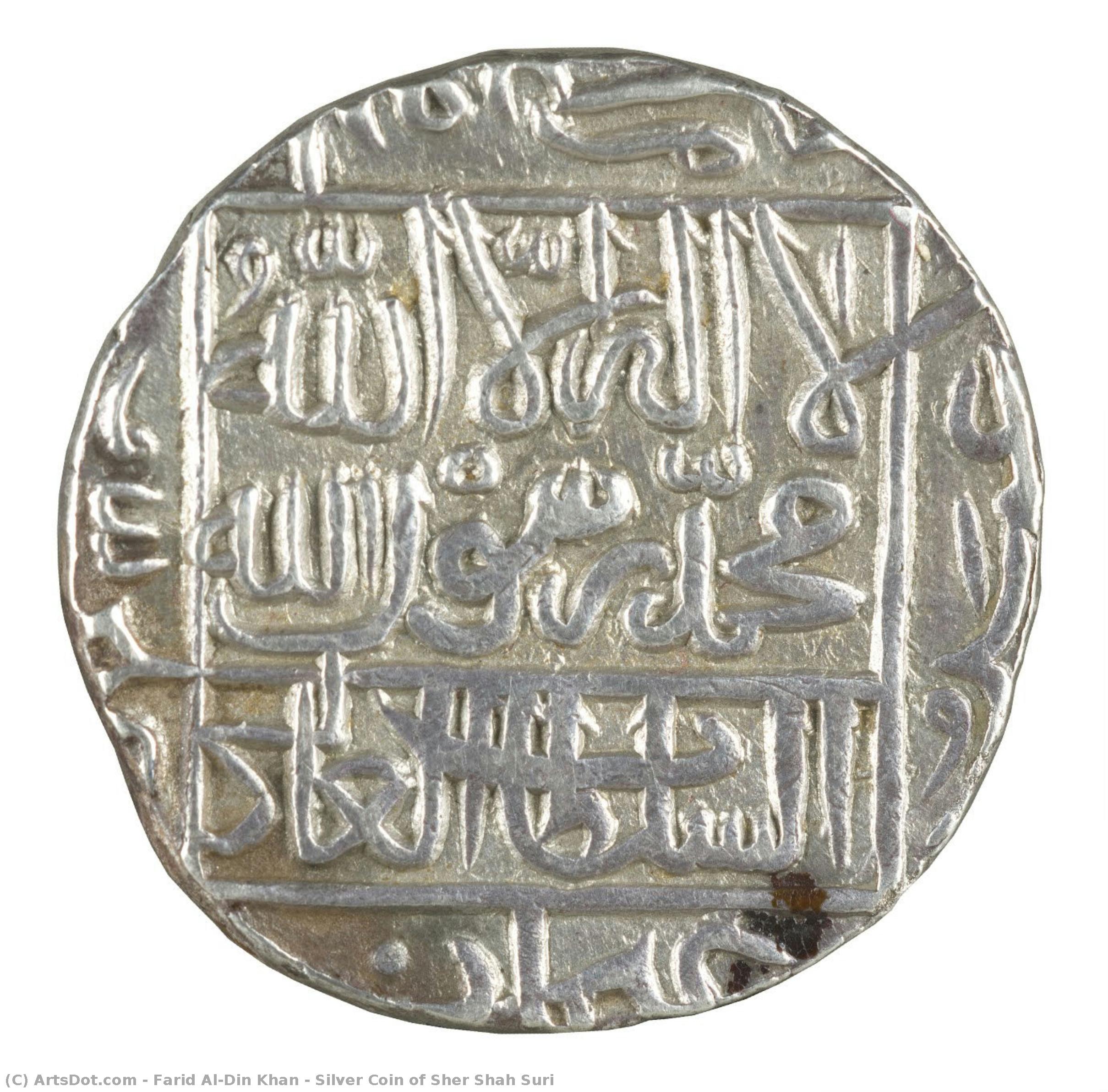
Silver Coin of Sher Shah Suri


 Read More
Hand Made Oil Reproduction
Hand-painted oil on canvas in your size and frame, made to order by our artists. ( Buy Print Buy Image)




































Pick from our preset sizes that match the artwork's original proportions.

You may enter your own dimensions to fit a specific frame or space. If your selected size does not match the original image's proportions, we will either crop the artwork or extend the painting with additional hand-painted elements. A digital mockup will be sent for your approval before production begins.
Please note that the on-screen preview does not reflect the actual cropping or extension. Only the mockup will accurately show the final composition.
While custom sizes are available, we recommend selecting a dimension from the predefined list to preserve the original proportions.
After order, ArtsDot.com team will email client for instructions and provide a mockup preview
Worldwide Delivery () in 3/4 weeks instead of standard 5 weeks. (25 August). No compromise on quality.

Free Worldwide Express Shipping

High-Quality Linen Canvas

Full Shipping Insurance

Customs Tax Refund Guarantee

True Color Matching Guarantee

60-Day Return Policy (Defects Only)

100% Money-Back Guarantee

Bulk Discount Offer
 Glass option is only available in size under 110 CM

Silver Coin of Sher Shah Suri
Reproduction Medium
Reproduction Size
-


Total Price
$ 263
Related Artworks





Artist Biography
The Master of the Silver Legacy: Farid al-Din Khan
In the grand tapestry of sixteenth-century Indian history, names are often etched in blood and conquest, yet the most enduring impressions are sometimes found in the delicate strike of a coin or the fine line of a miniature. Farid al-Din Khan stands as a singular figure who bridged the gap between the raw power of the Suri Empire and the refined aesthetic of Afghan artistry. While history books frequently focus on the military triumphs of his patron, the legendary Sher Shah Suri, it was Khan who provided the visual language for that reign. An artist of profound technical skill, Khan possessed the rare ability to transform cold metal into a medium of political propaganda and cultural identity, most notably through the intricate silver coins that bore the likeness and authority of the Afghan sovereign.
Born in the fertile landscapes of Bihar around 1472, Khan’s early life was shaped by a blend of administrative responsibility and inherited creative passion. As the son of a wealthy landowner, his upbringing was far from the typical struggle of a wandering craftsman; he began his career managing vast family estates, a role that demanded an eye for detail and a command over logistics. This period of stewardship instilled in him a sense of structural precision that would later define his artistic hand. However, the turbulence of regional politics and familial disputes eventually redirected his path toward the vibrant cultural hubs of Agra and Jaunpas. It was here, amidst the shadows of the Mughal court and the burgeoning influence of Babur, that Khan’s sensibilities were refined by observing the sophisticated patronage of the era.
A Fusion of Tradition and Imperial Ambition
The artistry of Farid al-Din Khan was never a solitary pursuit of beauty; it was deeply intertwined with the shifting tides of empire. As he navigated the complex political landscape of the mid-1500s, his work became a vital instrument for the Suri dynasty. His mastery over the miniature style—a technique characterized by minute detail and vibrant storytelling—allowed him to capture the essence of Afghan tradition while embracing the burgeoning grandeur of the Indian subcontinent. When he served within the Mughal administration under Akbar, he absorbed the refined elegance of Persian-influenced aesthetics, yet his heart remained anchored in the rugged, bold traditions of his Afghan heritage.
This duality is most evident in his contribution to the Rupiya and other silver denominations. These were not merely functional objects of trade but miniature canvases that communicated stability, legitimacy, and strength. Through his designs, Khan achieved several monumental feats:
- Visual Sovereignty: He utilized the medium of coinage to project the image of Sher Shah Suri as a legitimate and powerful ruler to a diverse and far-reaching population.
- Technical Innovation: He elevated the precision of metal engraving, blending the delicate strokes of miniature painting with the durability required for currency.
- Cultural Synthesis: His work acted as a bridge between the austere Afghan aesthetic and the lush, decorative influences of the Indian landscape.
The Enduring Echo of an Artist-Administrator
The life of Farid al-Din Khan was a remarkable testament to the idea that art and governance are not separate spheres, but rather two sides of the same imperial coin. His ability to transition from a land manager in Bihar to a pivotal figure in the visual identity of an empire remains a subject of profound historical interest. Even as he reclaimed his ancestral lands and navigated the complexities of being a regent and de facto ruler in Bihar, his artistic influence continued to ripple through the region. He understood that while armies might conquer territory, it is the symbols of power—the coins, the inscriptions, and the imagery—that truly capture the spirit of a people.
Today, when we look upon the legacy of the Suri era, we see more than just the battles of Chausa or Kannauj; we see the meticulous craftsmanship of an artist who knew how to make history tangible. Farid al-Din Khan’s work remains a cornerstone of 16th-century Islamic and Indian art, reminding us that the most lasting legacies are often those crafted with the finest precision and the deepest devotion to one's heritage.
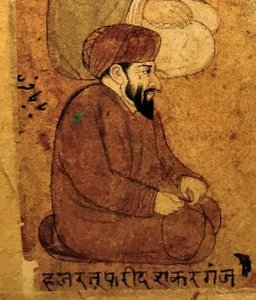
farid al-din khan
1472 - 1545 , India
Quick Facts
- Artistic Movement Or Style: Miniature Art
- Artists Or Movements Influenced By This Artist: ['Mughal Empire']
- Date Of Birth: Bihar, India (1472)
- Date Of Death: 1545
- Full Name: Farid al-Din Khan
- Nationality: Afghan
- Notable Artworks: ['Silver Coin of Sher Shah Suri']
- Place Of Birth: India