 Preview
 Send
Send Share
Share
 Details

 Download
 Similars
 X-Ray
X-Ray Diaporama
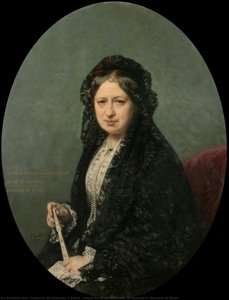
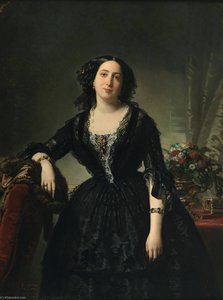
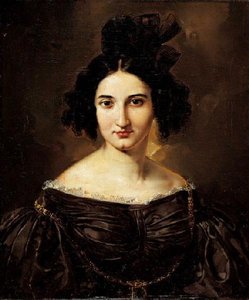
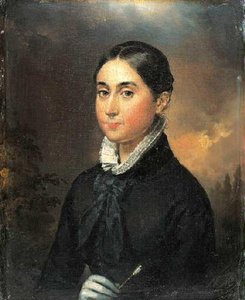
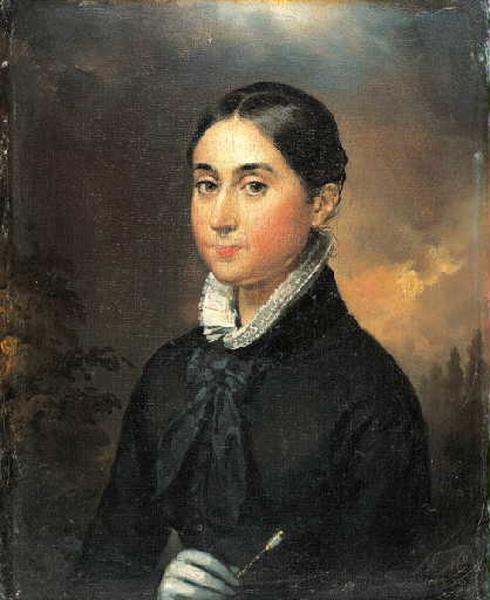
Madame Marfaing
 Read More
Hand Made Oil Reproduction
Hand-painted oil on canvas in your size and frame, made to order by our artists. ( Buy Print Buy Image)




































Pick from our preset sizes that match the artwork's original proportions.

You may enter your own dimensions to fit a specific frame or space. If your selected size does not match the original image's proportions, we will either crop the artwork or extend the painting with additional hand-painted elements. A digital mockup will be sent for your approval before production begins.
Please note that the on-screen preview does not reflect the actual cropping or extension. Only the mockup will accurately show the final composition.
While custom sizes are available, we recommend selecting a dimension from the predefined list to preserve the original proportions.
After order, ArtsDot.com team will email client for instructions and provide a mockup preview
Worldwide Delivery () in 3/4 weeks instead of standard 5 weeks. (22 August). No compromise on quality.

Free Worldwide Express Shipping

High-Quality Linen Canvas

Full Shipping Insurance

Customs Tax Refund Guarantee

True Color Matching Guarantee

60-Day Return Policy (Defects Only)

100% Money-Back Guarantee

Bulk Discount Offer
 Glass option is only available in size under 110 CM

Madame Marfaing
Reproduction Medium
Reproduction Size
-


Total Price
$ 263
Related Artworks









Artist Biography
John Singleton Copley: A Bostonian Pioneer of Portraiture
John Singleton Copley, born in Boston in 1738, stands as a pivotal figure in the history of American art – a painter who bridged the gap between the nascent colonial identity and the established traditions of European portraiture. His life unfolded across two continents, marked by both remarkable success and ultimately, significant financial hardship. Copley’s early years were steeped in the vibrant atmosphere of Boston society, an environment that profoundly shaped his artistic sensibilities and provided a rich source of subject matter. He was the son of Richard Copley, a tobacconist who had arrived from Limerick, Ireland, and Mary Singleton Copley Pelham, whose family lineage traced back to County Clare. This blended heritage – Irish and Anglo-Irish – contributed to Copley’s unique perspective and his ability to capture both the formality and the warmth of colonial life.Early Life and Artistic Training
Copley's childhood was marked by a close relationship with his mother, who ran a successful tobacco shop. This afforded him exposure to the bustling commercial world of Boston and provided a keen understanding of its social dynamics. He received his initial artistic training from local artists, including Thomas Bushell, but it was his move to London in 1774 that truly propelled his career forward. He arrived at a time when portraiture was experiencing a golden age, driven by the wealth generated during the American Revolution and the growing desire among the elite to document their status and achievements. Copley quickly established himself as a sought-after painter, catering to wealthy merchants, politicians, and prominent figures in both London and Boston. His early works were characterized by a meticulous attention to detail, a refined sense of composition, and an ability to capture the likenesses of his subjects with remarkable accuracy – hallmarks that would define his style for decades.A Revolutionary Style: Portraits and Historical Paintings
Copley’s portraiture evolved beyond mere imitation; he infused it with a distinctly American sensibility. He wasn't simply reproducing appearances; he was capturing character, personality, and social standing. His portraits of John Adams, Samuel Adams, and George Washington are particularly noteworthy for their psychological depth and their ability to convey the gravitas of these revolutionary figures. However, Copley’s ambition extended beyond the realm of portraiture. He also ventured into historical painting, producing works like *Watson and the Shark* (1778), a dramatic depiction of a heroic rescue that demonstrated his technical skill and his willingness to experiment with dynamic composition and theatrical lighting. This work, inspired by Plutarch's *Lives*, showcased Copley’s ability to blend classical narrative with contemporary subject matter – a hallmark of the burgeoning Romantic movement.The Later Years: Debt and Legacy
Despite his considerable success, Copley’s later years were plagued by financial difficulties. He was known for his lavish lifestyle and his tendency to overspend on commissions and personal expenses. His attempts to secure royal recognition in England proved largely unsuccessful, and he faced increasing criticism for the perceived extravagance of his portraits. He died in 1815, heavily indebted, a tragic irony for an artist who had achieved such renown during his lifetime. Yet, Copley’s legacy endures as one of America's first major artists. His portraits remain prized possessions in museums and private collections around the world, offering invaluable insights into the social and cultural landscape of colonial America. His influence can be seen in the work of subsequent generations of American painters, who built upon his foundation of technical skill and artistic innovation.Key Works
* *Watson and the Shark* (1778) * Portraits of John Adams, Samuel Adams, and George Washington * *Copying Mr. William Finley* (c. 1770) * *Portrait of Isabella Stewart Gardner* (1793)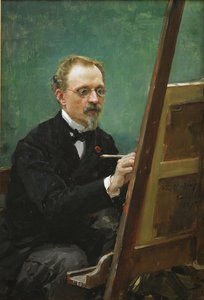
federico de madrazo y kuntz
1815 - 1894
Quick Facts
- Artistic Movement Or Style: Portrait painting
- Artists Or Movements Influenced By This Artist: ['Portrait painting']
- Artists Who Influenced This Artist: ['Thomas Gainsborough']
- Date Of Birth: July 3, 1738
- Date Of Death: September 9, 1815
- Full Name: John Singleton Copley
- Nationality: American
- Notable Artworks:
- Watson and the Shark
- The Boy with a Silver Spoon
- Place Of Birth: Boston, Massachusetts Bay