

 Preview
 Send
Send Share
Share
 Details

 Download
 Similars
 X-Ray
X-Ray Diaporama
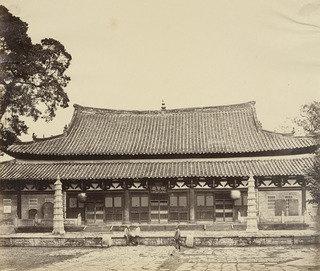
Temple in Tartar Quarter, Canton
 1860
1860 24.0 x 29.0 cm
 Read More
Purchase a high-resolution, enhanced digital image, far superior to the online preview.
Each file is meticulously prepared by our in-house specialists using advanced tools and expert manual retouching. We ensure every image has exceptional clarity, precise color accuracy, and fine detail.
The final file is delivered via email within 72 hours, optimized for immediate use in professional, editorial, and print environments. This is the same quality trusted by top-tier design studios, publishers, and galleries.
Digital Image
Download a high-resolution file for personal display, printing, and creative projects. ( Buy Print Buy Hand Made Painting)
Included in Every Digital Image Order
Expert Digital Delivery, Guaranteed
When you choose ArtsDot.com, you're not just getting an image - you're receiving a professionally enhanced digital artwork, crafted with precision and backed by a satisfaction guarantee. Here's everything that comes with your order, automatically:

Fast Email Delivery
Your high-resolution digital image file will be emailed to you within 72 hours of ordering - ready for immediate use.

AI-Enhanced Digital File
Your artwork is professionally optimized using advanced AI tools and manual editing, ensuring maximum detail, clarity, and color accuracy.

Free Lifetime Re-Delivery
Accidentally deleted or lost your file? No worries - we'll resend it to you anytime, free of charge.

No Import Fees - Ever
Enjoy your artwork instantly with zero customs, duties, or delivery fees - digital downloads are always tax-free.

Color Accuracy Guarantee
We ensure your digital image reflects the original colors as closely as possible using professional tools and color management.

60-Day Satisfaction Guarantee
If you're not satisfied with your digital image, we'll revise it or refund 100% within 60 days - no questions asked.

100% Money-Back Guarantee
Not satisfied? Get a full refund within 60 days of receiving your digital file - no questions asked.

Bulk Order Discounts
Buy 3 images, save 10% - Buy 5, save 15% - Buy 10+, save 20%. Great for creative projects, galleries, and agencies.
Related Artworks
Artist Biography
A Pioneer’s Lens: The Life and Legacy of Felice Beato
Born in Venice in 1832, the life of Felice Beato was one of remarkable travel and innovation, etching his name into the annals of photographic history. Though shrouded in some mystery—his early years remain somewhat elusive—the discovery of his birth certificate in 2009 confirmed a beginning in the romantic city of canals. His family’s subsequent move to Corfu, then under British protection, proved pivotal, granting him British citizenship and setting the stage for a life intertwined with both European artistry and global exploration. Initially believed to be distinct individuals, “Felice Antonio Beato” and “Felice A. Beato” were later revealed as signatures shared by brothers who frequently collaborated, adding another layer of intrigue to his story. His formative years likely saw an apprenticeship in photography, a burgeoning art form poised to revolutionize visual representation. Around 1850, a crucial encounter with British photographer James Robertson in Malta sparked a partnership that would propel Beato onto the world stage. The firm “Robertson & Beato” established itself in Constantinople (Istanbul) around 1854, becoming a hub for photographic endeavors across the Eastern Mediterranean and beyond. This collaboration was further cemented by marriage when Robertson wed Felice’s sister, Leonilda Maria Matilda Beato, weaving personal bonds into their professional lives.Witness to Conflict: War Photography and its Impact
The Crimean War marked a turning point in Beato's career, thrusting him into the harrowing world of war photography. Taking over reportage duties from Roger Fenton in Balaklava in 1855, he initially served as Robertson’s assistant but quickly assumed a more prominent role amidst the unpredictable chaos of battle. Unlike Fenton’s often-dignified portrayals, Beato and Robertson documented the brutal realities of war with stark realism. Their images of the fall of Sevastopol in September 1855 were groundbreaking, offering an unflinching glimpse into the destruction and loss of life. This marked a dramatic shift in how conflict was reported and depicted, moving away from romanticized heroism towards a more visceral and honest representation. Following the Indian Rebellion of 1857, Beato traveled to Calcutta, producing some of the first photographic images of corpses—a controversial act that nonetheless underscored the devastating consequences of colonial conflict. Accounts suggest he even rearranged skeletal remains at the Palace of Sikandar Bagh to heighten the dramatic impact of his photographs, a testament to his willingness to manipulate reality in pursuit of a powerful visual narrative. These actions sparked debate about the ethics of war photography, but they undeniably cemented Beato’s reputation as a bold and innovative documentarian.Documenting Distant Shores: Asia and Cultural Encounters
In 1860, Beato was dispatched from India to photograph the Anglo-French military expedition during the Second Opium War in China. This assignment proved transformative, providing him with unprecedented access to a culture largely unknown to the Western world. He meticulously documented Hong Kong and Canton, creating some of the earliest photographs ever taken in China. His work extended beyond mere documentation; it offered invaluable visual records of Chinese architecture, landscapes, and daily life during a period of significant historical change. Images of the Lama Temple near Peking (Beijing) and the Great Imperial Porcelain Palace (Yuen Ming Yuen) stand as poignant reminders of a lost era, capturing the grandeur and fragility of imperial China. Beato’s photographs provided Europeans and North Americans with unique glimpses into unfamiliar cultures, fostering cross-cultural understanding—albeit through a Western lens. He wasn't simply recording what he saw; he was actively shaping perceptions of the East, contributing to the complex dialogue between civilizations. His travels continued throughout Asia, including Japan, Korea, and Burma, each location adding another layer to his extensive visual archive.A Lasting Impression: Legacy and Influence
Felice Beato’s pioneering work as a war photographer and documentarian of Asian landscapes had a profound and lasting impact on the art of photography. He is rightfully considered one of the first photojournalists, paving the way for future generations of visual storytellers. His influence in Japan was particularly deep and enduring, where he taught and collaborated with numerous photographers and artists, fostering a vibrant photographic community. Beato’s mastery extended to innovative techniques like hand-coloring photographs and creating expansive panoramas, pushing the boundaries of what was technically possible at the time. He understood the power of visual storytelling, skillfully composing images that conveyed not only information but also emotion and atmosphere. Though his death in Florence in 1909 marked the end of a remarkable life, his legacy continues to inspire contemporary photographers and historians alike. His photographs are now recognized as historically significant documents, offering invaluable insights into 19th-century events, cultures, and landscapes—a testament to the enduring power of a single lens wielded by a truly visionary artist. His work remains a powerful reminder of the transformative potential of photography to document, interpret, and ultimately shape our understanding of the world.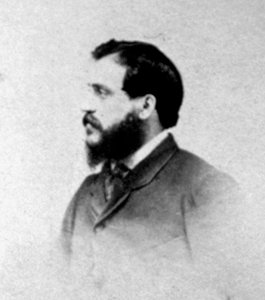
Felice Beato
1832 - 1909 , Italy
Quick Facts
- Artistic Movement Or Style: War photography
- Artists Or Movements Influenced By This Artist:
- Photojournalism
- Japanese photographers
- Date Of Birth: 1832
- Date Of Death: 1909
- Full Name: Felice Beato
- Nationality: Italian-British
- Notable Artworks:
- Arch in the Lama Temple
- Tibetan Monument
- Yuen Ming Yuen Palace
- Place Of Birth: Venice, Italy

