 Preview
 Send
Send Share
Share
 Details

 Download
 Similars
 X-Ray
X-Ray Diaporama
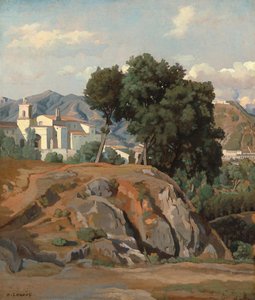
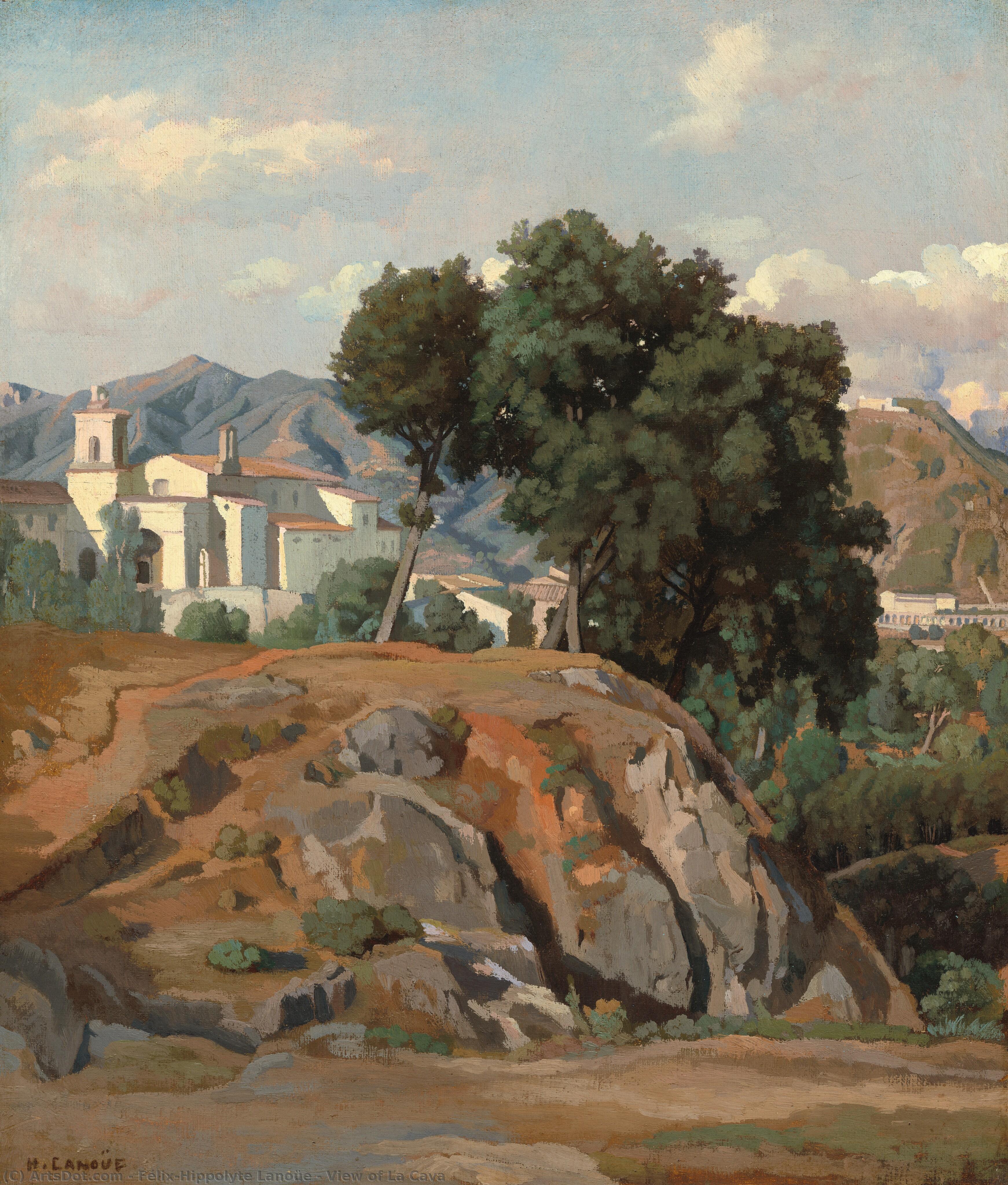
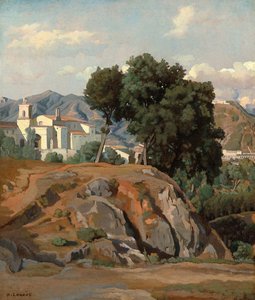
View of La Cava
 1840
1840 55.0 x 48.0 cm
 Read More
Hand Made Oil Reproduction
Hand-painted oil on canvas in your size and frame, made to order by our artists. ( Buy Print Buy Image)




































Pick from our preset sizes that match the artwork's original proportions.

You may enter your own dimensions to fit a specific frame or space. If your selected size does not match the original image's proportions, we will either crop the artwork or extend the painting with additional hand-painted elements. A digital mockup will be sent for your approval before production begins.
Please note that the on-screen preview does not reflect the actual cropping or extension. Only the mockup will accurately show the final composition.
While custom sizes are available, we recommend selecting a dimension from the predefined list to preserve the original proportions.
After order, ArtsDot.com team will email client for instructions and provide a mockup preview
Worldwide Delivery () in 3/4 weeks instead of standard 5 weeks. (28 August). No compromise on quality.

Free Worldwide Express Shipping

High-Quality Linen Canvas

Full Shipping Insurance

Customs Tax Refund Guarantee

True Color Matching Guarantee

60-Day Return Policy (Defects Only)

100% Money-Back Guarantee

Bulk Discount Offer
 Glass option is only available in size under 110 CM

View of La Cava
Reproduction Medium
Reproduction Size
-


Total Price
$ 263
Related Artworks









Artist Biography
Early Life and Artistic Foundations
Félix-Hippolyte Lanoüe, born in Versailles in 1812, emerged during a period of significant transition in French art. The Neoclassical rigidity of the previous generation was giving way to Romanticism’s emotive power, and young Lanoüe found himself drawn into this evolving landscape. His initial training under Jean-Victor Bertin provided him with a solid grounding in traditional techniques, but it was his subsequent apprenticeship with Horace Vernet at the École des beaux-arts de Paris that truly shaped his artistic direction. Vernet, known for his dynamic compositions and historical scenes, instilled in Lanoüe a keen eye for detail and a passion for capturing the drama of both human experience and the natural world.
The early 1830s saw Lanoüe honing his skills with a particular focus on perspective – an award he received in 1832 demonstrating this proficiency. This technical mastery would become a hallmark of his work, allowing him to create landscapes that felt both expansive and deeply immersive. His ambition was further evidenced by his second-place finish at the Prix de Rome competition for historical landscapes in 1837. While he didn’t immediately secure the coveted first prize, this recognition signaled his growing talent and potential within the Parisian art establishment.
The Roman Sojourn and Maturation of Style
Four years later, Lanoüe finally achieved the prestigious Prix de Rome in 1841. This award granted him a four-year residency at the Villa Medici in Rome (1842-1845), an experience that profoundly impacted his artistic development. Italy’s sun-drenched landscapes, ancient ruins, and rich cultural heritage provided a wealth of inspiration. He immersed himself in the study of classical art and architecture, but more importantly, he began to develop a distinctly Romantic sensibility. His earlier works, while technically proficient, often lacked the emotional depth that would come to define his mature style.
Rome allowed Lanoüe to move beyond mere representation towards capturing atmosphere and mood. He experimented with light and shadow, creating scenes that evoked a sense of nostalgia, tranquility, and even melancholy. This period marked a shift from Naturalism toward Romanticism, aligning him with artists like Corot and Théodore Rousseau who were increasingly focused on portraying the subjective experience of nature.
Salon Successes and Exploration of French Landscapes
Upon his return to France, Lanoüe began exhibiting regularly at the Paris Salon, starting in 1834 and continuing until 1868. His consistent presence solidified his reputation as a skilled landscape painter. A medal awarded in 1847 was an early sign of critical acclaim, followed by further recognition with third-class medals in 1848 and second-class medals in 1855. These accolades reflected the growing appreciation for his work among both critics and collectors.
Lanoüe’s subject matter increasingly focused on the French countryside and coast. He embarked on extensive travels, exploring regions like the Forest of Fontainebleau – which he documented extensively when it became accessible by train in 1849 – and the valleys of Isère. Trips to Holland (1850) and Russia (1853) broadened his artistic horizons, exposing him to new landscapes and painting techniques. He embraced *plein air* painting, capturing the immediacy and vibrancy of nature directly on canvas.
Themes, Techniques, and Historical Significance
Lanoüe’s paintings are characterized by their meticulous attention to detail, atmospheric perspective, and romantic sensibility. He often depicted scenes that blended natural beauty with historical or mythological elements, creating a sense of timelessness and grandeur. His works frequently feature classical ruins, idyllic pastoral landscapes, and dramatic skies – all rendered with a delicate touch and a masterful use of light.
His stylistic evolution reflected the broader artistic trends of his time. While rooted in traditional techniques, he embraced the Romantic emphasis on emotion, subjectivity, and the power of nature. He wasn’t necessarily a revolutionary figure, but rather a skilled interpreter of the changing aesthetic landscape. His paintings appealed to the growing bourgeoisie who sought art that was both beautiful and emotionally resonant.
The recognition Lanoüe received – including his appointment as a Chevalier in the Legion of Honor in 1864 – underscores his significance within the French art world. Today, his works are held in prominent museum collections, including the Musée des Beaux-Arts, offering viewers a glimpse into the romantic vision of 19th-century France and the enduring appeal of landscapes that capture both the beauty and the spirit of a bygone era.
félix-hippolyte lanoue
1812 - 1872 , France
Quick Facts
- Artistic Movement Or Style: Romanticism
- Artists Who Influenced This Artist:
- Jean-Victor Bertin
- Horace Vernet
- Date Of Birth: October 14, 1812
- Date Of Death: January 21, 1872
- Full Name: Félix-Hippolyte Lanoüe
- Nationality: French
- Notable Artworks:
- View of La Cava
- The Flood in the Vaucluse
- The Abduction of Europa
- Place Of Birth: Versailles, France