 Preview
 Send
Send Share
Share
 Details

 Download
 Similars
 X-Ray
X-Ray Diaporama
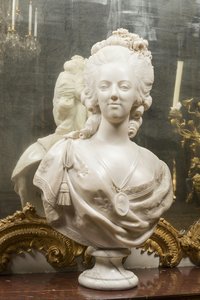
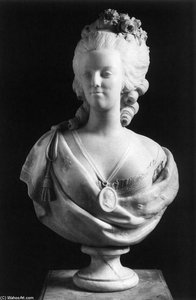
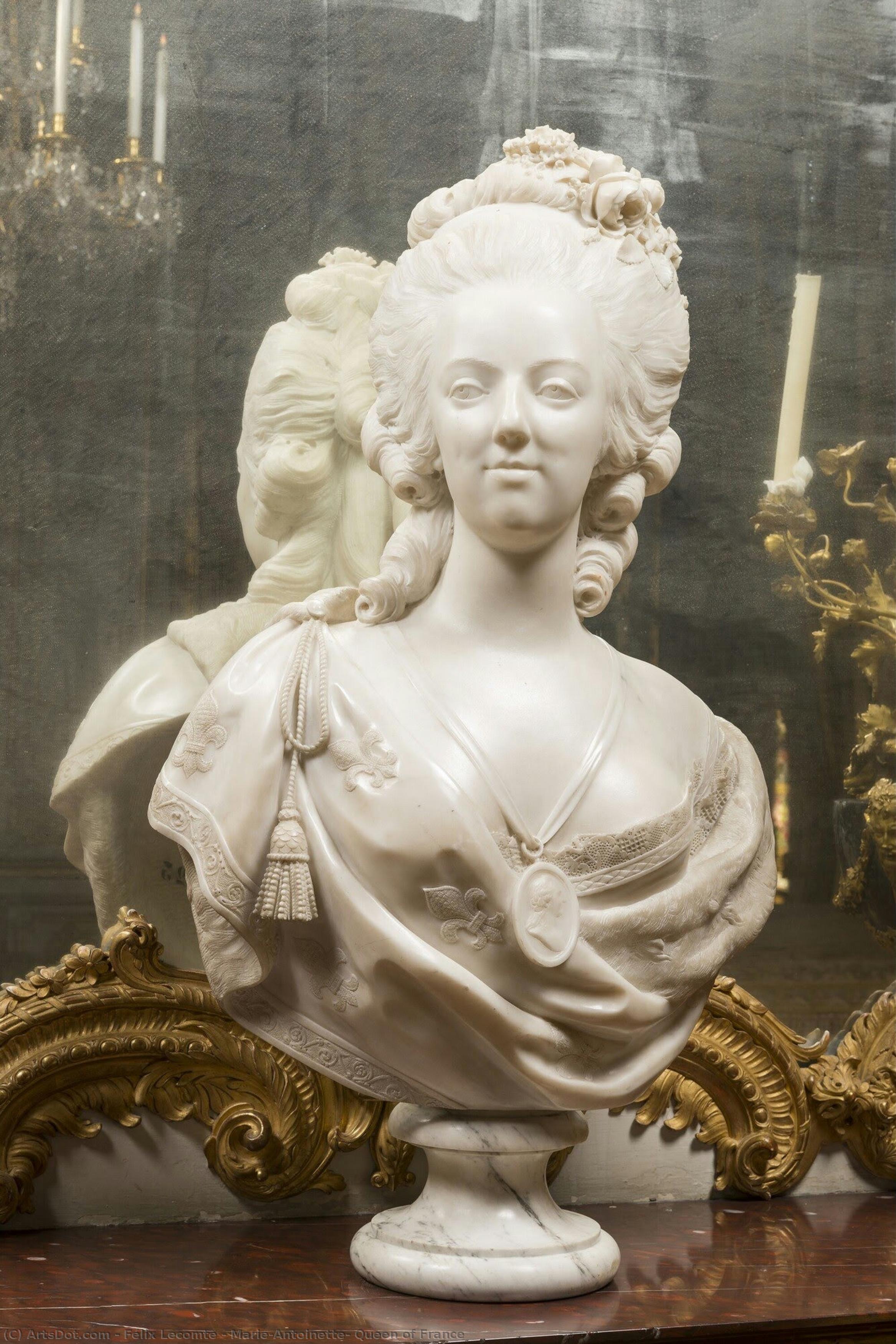
Marie-Antoinette, Queen of France
 Acrylic On Canvas
- WallArt
- Neoclassical Style
 1783
1783 84.0 x 48.0 cm
 Château de Versailles
 Read More
Hand Made Oil Reproduction
Hand-painted oil on canvas in your size and frame, made to order by our artists. ( Buy Print Buy Image)




P118B $10

P118H $10

P118W $10

P438Z $10

P508JH $12

P508YH $12

P805H $10

P805Z $10

P919BZ $10

P919G $10

P919XJ $10

P959ZH $10

P968JZ $12

W106C $8

W218G $10

W218JH $8

W218Y $10

W307PJ $10

W316G $10

W316PJ $8

W316Y $10

W398PJ $8

W4111J $10

W500HY $15

W500JH $15

W692G $12

W849H $8

W940BG $15

W953PJ $8




Pick from our preset sizes that match the artwork's original proportions.

You may enter your own dimensions to fit a specific frame or space. If your selected size does not match the original image's proportions, we will either crop the artwork or extend the painting with additional hand-painted elements. A digital mockup will be sent for your approval before production begins.
Please note that the on-screen preview does not reflect the actual cropping or extension. Only the mockup will accurately show the final composition.
While custom sizes are available, we recommend selecting a dimension from the predefined list to preserve the original proportions.
After order, ArtsDot.com team will email client for instructions and provide a mockup preview
Worldwide Delivery () in 3/4 weeks instead of standard 5 weeks. (16 August). No compromise on quality.

Free Worldwide Express Shipping

High-Quality Linen Canvas

Full Shipping Insurance

Customs Tax Refund Guarantee

True Color Matching Guarantee

60-Day Return Policy (Defects Only)

100% Money-Back Guarantee

Bulk Discount Offer
 Glass option is only available in size under 110 CM

Marie-Antoinette, Queen of France
Reproduction Medium
Reproduction Size
-


Total Price
$ 263
Artwork Description
Marie Antoinette: A Portrait of Regal Dignity
Félix Lecomte’s “Marie Antoinette, Queen of France” stands as a testament to the artistic fervor of the Rococo era and its gradual transition into the neoclassical aesthetic. Executed in 1783 during Marie Antoinette's reign – a period fraught with political tension and societal upheaval – this sculpture captures not merely a likeness of the queen but embodies an idealized vision of royal authority and feminine grace.
Subject Matter and Composition
The artwork depicts Marie Antoinette seated majestically, draped in opulent fabrics that convey her status as Queen. Lecomte meticulously rendered her posture—straight back, shoulders squared—a deliberate stylistic choice reflecting the neoclassical emphasis on balance and proportion. The queen’s gaze is directed outwards, suggesting contemplation and conveying a sense of serene composure amidst the turbulent currents of French politics.
Style and Technique: Rococo Influence
Despite its adherence to neoclassical principles, “Marie Antoinette” retains traces of Rococo ornamentation. Lecomte skillfully employed alabaster marble—a favored material for portrait sculptures during this period—to achieve a luminous surface that enhances the queen’s ethereal beauty. Delicate drapery folds and subtle textural variations contribute to the sculpture's overall richness and visual appeal. The sculptor’s attention to detail is evident in every aspect of the piece, from the meticulously sculpted ermine collar to the elaborate floral embellishments adorning Marie Antoinette’s wig.
Historical Context: Versailles and Royal Symbolism
Created at Versailles—the epicenter of royal power and aristocratic culture—the sculpture serves as a powerful symbol of Louis XVI's monarchy. The inclusion of Louis XVI’s medallion around Marie Antoinette’s neck underscores the interconnectedness of royal figures and reinforces the artwork’s narrative significance. Furthermore, the fleur-de-lis motif prominently displayed on the mantle symbolizes French royalty and its enduring legacy.
Emotional Impact: Ideal Beauty and Dignified Grace
"Marie Antoinette" transcends mere representation; it aspires to evoke admiration for Marie Antoinette's regal dignity and inner serenity. Lecomte’s masterful craftsmanship ensures that the sculpture radiates an aura of timeless elegance, inviting viewers to contemplate the complexities of royal life and the enduring fascination with idealized beauty. It remains a captivating piece of art history—a poignant reminder of a bygone era.
Related Artworks
Artist Biography
The Sculptor of Myth and Majesty
Félix Lecomte, a name that resonates with the quiet dignity of late 18th-century French artistry, stands as a profound figure in the evolution of European sculpture. Born in the vibrant heart of Paris in 1737, Lecomte’s life unfolded during an era of immense cultural transition, where the exuberant flourishes of the Rococo period began to yield to the disciplined, rational clarity of Neoclassicism. His journey was one of deep-rooted tradition and rigorous academic pursuit, shaped by a lineage of craftsmanship and a lifelong devotion to the classical ideals that sought to revive the grandeur of antiquity. Through his hands, cold marble and bronze were transformed into breathing narratives of myth, history, and human emotion.
The foundations of Lecomte’s mastery were laid through a unique blend of familial mentorship and institutional excellence. His early development was guided by the tutelage of his namesake and mentor, also Félix Lecomte, a connection that provided him with an intimate understanding of the sculptor's craft from a young age. This early immersion in the technical nuances of marble carving and anatomical precision prepared him for the rigors of the École des Beaux-Arts de Paris. It was here that his talent truly began to crystallize, leading to his most significant early triumph: winning the prestigious Prix de Rome in 1758. This scholarship served as a transformative gateway, transporting him to the eternal city of Rome, where the physical remnants of classical civilization acted as both his classroom and his greatest inspiration.
A Mastery of Form and Narrative
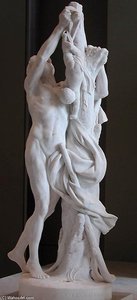
Lecomte’s body of work is characterized by an extraordinary versatility that allowed him to navigate between the intimate and the epic. While he was equally adept at capturing the delicate nuances of portraiture—rendering the likenesses of the era's nobility with a sensitive touch—he found his most profound expression in the dramatic reinterpretation of classical mythology. His sculptures often possess a theatrical vitality, where every sinew, fold of drapery, and expressive gesture is calculated to evoke a sense of movement and psychological depth. In works such as Oedipus et Phorbas, one can witness his ability to weave complex mythological tension into static stone, creating a sense of suspended animation that captivates the viewer.
The technical brilliance of Lecomte’s oeuvre lies in his meticulous attention to detail and his command over light and shadow. His approach to sculpture was not merely about replicating form, but about capturing the essence of the subject's spirit. This is evident in several key aspects of his technique:
- Anatomical Precision: A profound understanding of human musculature that lends a lifelike quality to his mythological figures.
- Textural Contrast: The ability to differentiate between the softness of skin, the weight of heavy fabrics, and the cold hardness of armor within a single composition.
- Dynamic Composition: The use of sweeping lines and dramatic poses to guide the eye through complex narrative scenes.
Legacy and Historical Significance
As the 18th century drew to a close, Lecomte’s role in the artistic landscape became increasingly pivotal. He acted as a vital bridge between two worlds, maintaining the decorative elegance of the previous century while embracing the emerging Neoclassical emphasis on order, reason, and moral gravity. His ability to synthesize these opposing aesthetics allowed his work to remain relevant during a period of intense political and social upheaval in France. By grounding his contemporary sensibilities in the timeless language of Greek and Roman myth, he contributed to a visual vocabulary that would influence generations of sculptors to follow.
Today, the legacy of Félix Lecomte is found in the enduring power of his compositions. He remains a testament to the era of the great masters, an artist who could command the monumental scale of history while never losing sight of the delicate human truth. His contributions to French sculpture helped define the aesthetic transition of his age, ensuring that the grandeur of the past would continue to inform the artistic innovations of the future.
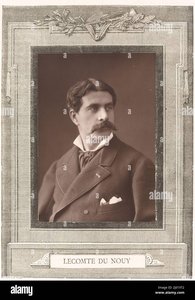
félix lecomte
1737 - 1817 , France
Quick Facts
- Artistic Movement Or Style: Rococo
- Artists Or Movements Influenced By This Artist: ['Lecomte']
- Artists Who Influenced This Artist:
- Falconet
- Vassé
- Date Of Birth: January 16, 1737
- Date Of Death: November 18, 1817
- Full Name: Félix Lecomte
- Nationality: French
- Notable Artworks:
- Œdipe et Phorbas
- Marie Antoinette
- Place Of Birth: Paris, France
Related Articles

Bronze Sculptures That Defined Art History | ArtsDot
Journey through art history with our Top 10 bronze sculptures! Explore masterpieces by Rodin, Michelangelo & more. Discover stories behind iconic statues and find museum-quality reproductions for your home decor at ArtsDot.com.

The Enduring Form: Exploring Themes & Techniques in Sculpture Across Historical Periods
Explore the rich history of sculpture from ancient masterpieces to contemporary innovations. Discover key techniques, influential artists & investment potential for discerning art collectors.

Bronze Age to Modern Masters: 10 Sculptures That Redefined Art | ArtsDot
Journey through art history with 10 legendary bronze sculptures – from Michelangelo's David to Rodin’s Thinker. Explore the stories, techniques & timeless beauty of these masterpieces. Find museum-quality reproductions & elevate your home decor on ArtsDot.com.
The Enduring Form: Sculpture Across History, Technique & Emotional Resonance
Explore the rich history of sculpture with ArtsDot. Discover key techniques, influential artists & investment potential for discerning collectors. Expert insights into valuing and collecting timeless masterpieces.

Rococo's Radiant Legacy: 10 Masterpieces for Your Home |
Indulge in the elegance of Rococo! Explore 10 masterpieces by Fragonard, Boucher & Watteau. Discover the stories behind these iconic paintings and bring timeless art to your home with museum-quality reproductions from .