 Preview
 Send
Send Share
Share
 Details

 Download
 Similars
 X-Ray
X-Ray Diaporama
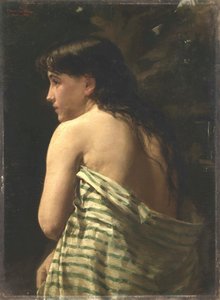
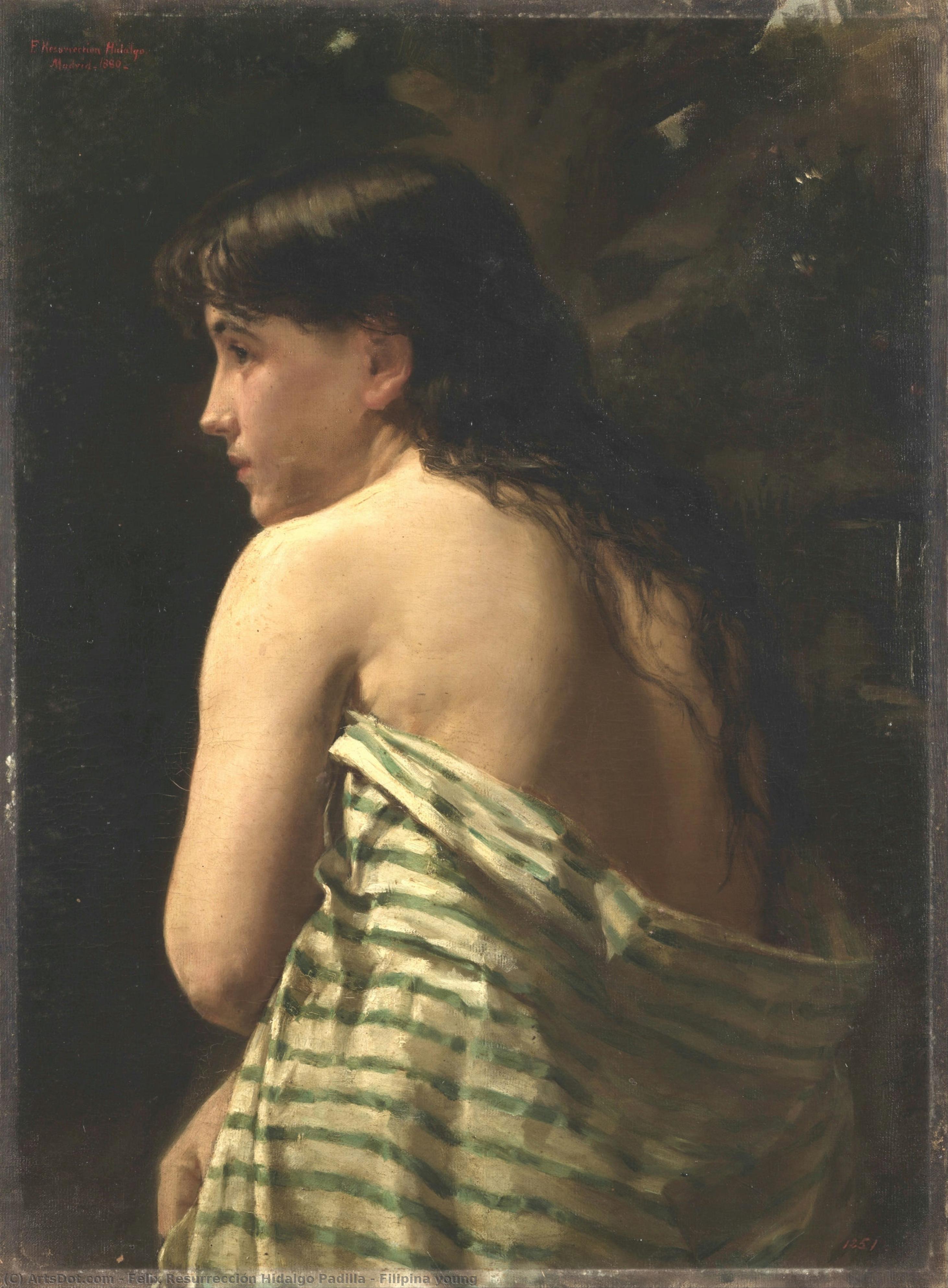
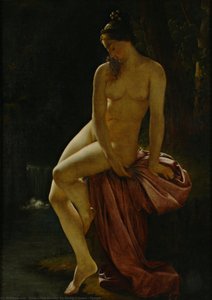
Filipina young


 Read More
Giclée / Art Print
Museum-quality giclée or canvas print with fast production and flexible finish options. ( Buy Hand Made Painting Buy Image)




































Pick from our preset sizes that match the artwork's original proportions.

You may enter your own dimensions to fit a specific frame or space. If your selected size does not match the original image's proportions, we will either crop the artwork or extend the image with a mirrored or solid-fill edge. A digital mockup will be sent for your approval before production begins.
Please note that the on-screen preview does not reflect the actual cropping or extension. Only the mockup will accurately show the final composition.
While custom sizes are available, we recommend selecting a dimension from the predefined list to preserve the original proportions.
Worldwide Delivery () in 2 weeks instead of standard 4/5 weeks. (23 August)

Free Worldwide Express Shipping

High-Quality Linen Canvas

Full Shipping Insurance

Customs Tax Refund Guarantee

True Color Matching Guarantee

60-Day Return Policy (Defects Only)

100% Money-Back Guarantee

Bulk Discount Offer
 Glass option is only available in size under 110 CM

Filipina young
Giclée / Art Print
Reproduction Size
-


Total Price
$ 63
Related Artworks







Artist Biography
A Visionary of the Philippine Golden Age
Félix Resurrección Hidalgo y Padilla stands as a monumental figure in the annals of Philippine art, a painter whose brush captured the profound tensions and burgeoning identity of a nation at a historical crossroads. Born in the vibrant district of Binondo, Manila, in 1855, Hidalgo emerged from a privileged background that provided him with the intellectual and cultural nourishment necessary to flourish on the global stage. As the son of Eduardo Resurrección Hidalgo, a wealthy merchant, and Maria Barbara Padilla, his early life was steeped in the refined atmosphere of the Filipino principalía. This upbringing allowed him to pursue an education that bridged the gap between local tradition and European academic excellence, beginning at the Ateneo Municipal de Manila and later at the University of Santo Tomas, where he briefly studied law before surrendering entirely to his true calling: the canvas.
The trajectory of Hidalgo’s career was irrevocately altered by his journey to Spain, a move that would place him at the heart of the nineteenth-century artistic renaissance. Supported by a prestigious scholarship from the Spanish government, he studied at the Real Academia de Bellas Artes de San Fernando in Madrid. Under the rigorous tutelage of masters like Agustín Sáez, Hidalgo mastered the classical techniques of light, shadow, and anatomy, yet he infused these academic foundations with a burgeoning Romantic sensibility. It was during this period that he forged an enduring connection with his contemporary, Juan Luna. Together, these two luminaries became symbols of Filipino intellectual parity, proving to a skeptical colonial world that the talent of the islands was equal to that of any European master.
The Triumph of Spirit and Symbolism
The year 1884 remains etched in history as the moment Hidalgo’s genius achieved international recognition. At the Madrid Exposition of Fine Arts, his painting, Las Virgenes Cristianas Expuestas al Populacho, earned him a silver medal, an achievement that resonated far beyond the halls of the academy. This victory, occurring alongside Luna’s gold medal win, acted as a powerful catalyst for the Philippine reform movement. For nationalist icons such as José Rizal and Marcelo del Pilar, Hidalgo’s success was not merely an artistic triumph but a political statement—a visual testament to the capability and dignity of the Filipino people under Spanish rule. His work became a silent yet potent voice in the struggle for equality and recognition.
Hidalgo’s oeuvre is characterized by a breathtaking versatility that spans various themes and emotional registers. While he was deeply rooted in the Neoclassical tradition, his later works often drifted toward the ethereal and the atmospheric, touching upon the edges of Impressionism. His subject matter was as diverse as his technique:
- Historical and Mythological Narratives: He possessed a remarkable ability to breathe life into ancient legends and historical epochs, using grand compositions to evoke a sense of timelessness and drama.
- Religious Devotion: Through his religious paintings, he explored the profound spiritual landscape of his homeland, utilizing light to create an aura of sanctity and reverence.
- Landscape and Atmosphere: His mastery of the elements—the movement of water in works like La barca de Aqueronte or the soft textures of nature—demonstrated a deep sensitivity to the natural world.
- Portraiture and Genre Scenes: Even in more intimate settings, such as his depictions of vendors or beggars, Hidalgo infused his subjects with a dignity that transcended their social standing.
A Lasting Legacy of Light and Shadow
As the nineteenth century gave way to the twentieth, Hidalgo’s influence continued to ripple through the generations of Filipino artists. Though he did not directly participate in the political upheavals of the Philippine Revolution or the subsequent American colonial period, his artistic presence provided a foundational sense of pride and cultural continuity. His ability to blend the rigorous discipline of European academicism with a uniquely Filipino soul allowed him to create a visual language that was both universal and deeply personal.
The passing of Hidalgo in 1913 marked the end of an era, yet his contribution to the global art historical canon remains undiminished. He remains a master of the Romantic spirit, an artist who could navigate the complexities of human suffering, divine grace, and national aspiration with equal grace. Today, his works serve as more than mere relics of the past; they are windows into a transformative period of history, reminding us of a time when art was a primary vessel for the expression of identity, courage, and the enduring human spirit.
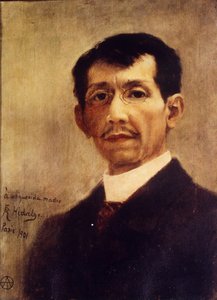
félix resurrección hidalgo padilla
1855 - 1913 , Philippines
Quick Facts
- Artistic Movement Or Style: Romantic and Neoclassical
- Artists Or Movements Influenced By This Artist: ['Impressionism']
- Artists Who Influenced This Artist: ['Juan Luna']
- Date Of Birth: February 21, 1855
- Date Of Death: March 13, 1913
- Full Name: Félix Resurrección Hidalgo y Padilla
- Nationality: Filipino
- Notable Artworks:
- Las Virgenes Cristianas Expuestas al Populacho
- Portrait of Raimunda Chuidian Roxas
- Place Of Birth: Binondo, Philippines