

 Preview
 Send
Send Share
Share
 Details

 Download
 Similars
 X-Ray
X-Ray Diaporama
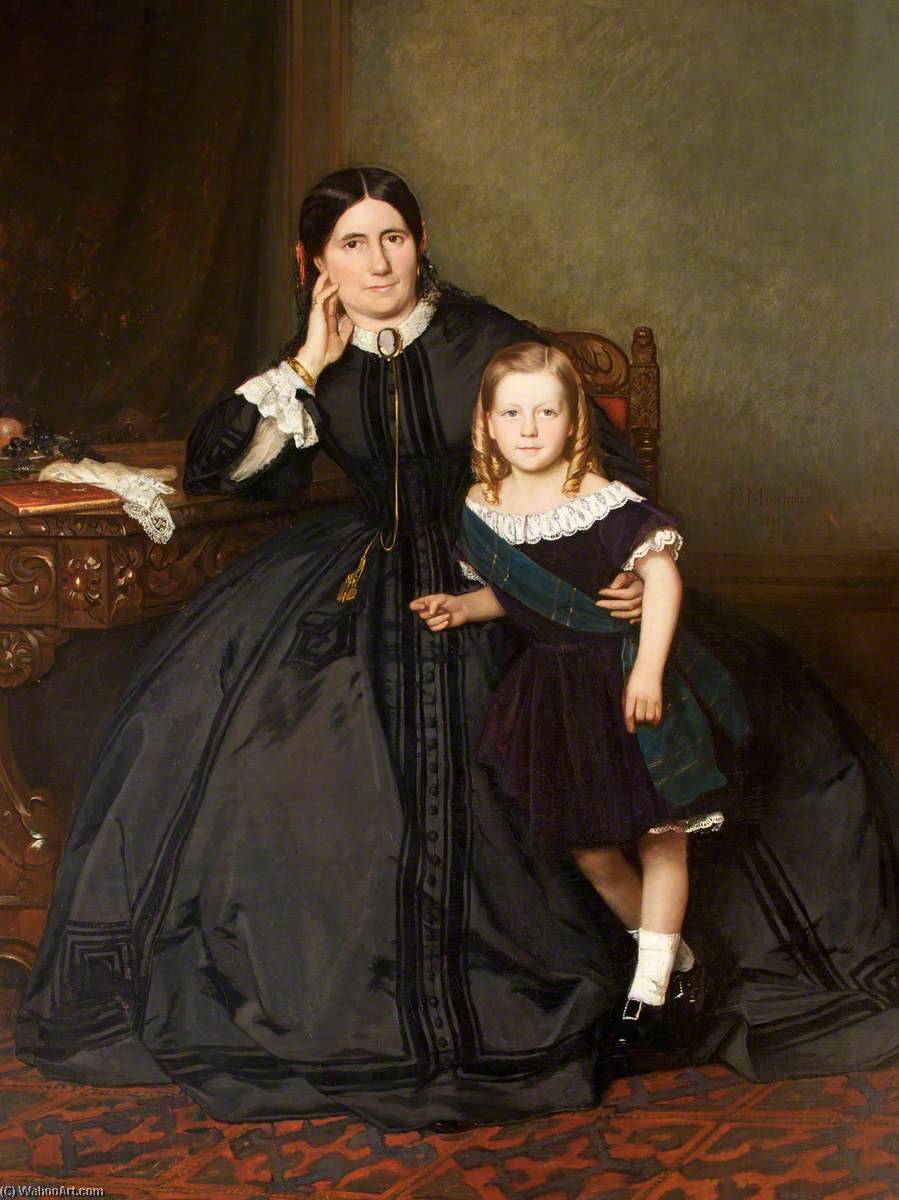
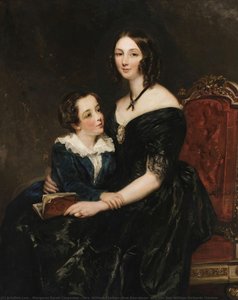
Eliza Crawshay, née Yeates, with Her Son Edwin
 1864
1864 180.0 x 135.0 cm
 Read More
Purchase a high-resolution, enhanced digital image, far superior to the online preview.
Each file is meticulously prepared by our in-house specialists using advanced tools and expert manual retouching. We ensure every image has exceptional clarity, precise color accuracy, and fine detail.
The final file is delivered via email within 72 hours, optimized for immediate use in professional, editorial, and print environments. This is the same quality trusted by top-tier design studios, publishers, and galleries.
Digital Image
Download a high-resolution file for personal display, printing, and creative projects. ( Buy Print Buy Hand Made Painting)
Included in Every Digital Image Order
Expert Digital Delivery, Guaranteed
When you choose ArtsDot.com, you're not just getting an image - you're receiving a professionally enhanced digital artwork, crafted with precision and backed by a satisfaction guarantee. Here's everything that comes with your order, automatically:

Fast Email Delivery
Your high-resolution digital image file will be emailed to you within 72 hours of ordering - ready for immediate use.

AI-Enhanced Digital File
Your artwork is professionally optimized using advanced AI tools and manual editing, ensuring maximum detail, clarity, and color accuracy.

Free Lifetime Re-Delivery
Accidentally deleted or lost your file? No worries - we'll resend it to you anytime, free of charge.

No Import Fees - Ever
Enjoy your artwork instantly with zero customs, duties, or delivery fees - digital downloads are always tax-free.

Color Accuracy Guarantee
We ensure your digital image reflects the original colors as closely as possible using professional tools and color management.

60-Day Satisfaction Guarantee
If you're not satisfied with your digital image, we'll revise it or refund 100% within 60 days - no questions asked.

100% Money-Back Guarantee
Not satisfied? Get a full refund within 60 days of receiving your digital file - no questions asked.

Bulk Order Discounts
Buy 3 images, save 10% - Buy 5, save 15% - Buy 10+, save 20%. Great for creative projects, galleries, and agencies.
Related Artworks






Artist Biography
A Legacy of Harmony: The Life and Vision of Felix Stone Moscheles
In the vibrant tapestry of the Victorian era, few figures embodied the intersection of creative brilliance and humanitarian idealism as profoundly as Felix Stone Moscheles. Born in London on February 8, 1833, his very existence was steeped in a unique cultural duality. As the son of the legendary German pianist Ignaz Moscheles and the talented artist Margaret Moscheles, his childhood was an immersive symphony of sound and color. This rich heritage, further enriched by the presence of his godfather, the great composer Felix Mendelssohn, provided a foundation where musical rhythm and visual composition were inextricably linked. His early years in London, shaped by a family that transitioned from German Jewish roots to Christian faith, instilled in him a cosmopolitan perspective that would later define his lifelong pursuit of international unity.
Moschelar’s artistic journey was marked by a rigorous formal education that allowed him to bridge the gap between classical tradition and the burgeoning modernism of his time. After attending St. Thomas School, he sought refinement at the prestigious Slade School of Fine Art in London. Under the mentorship of influential masters such as Frederic Leighton, Moscheles developed a technical prowess that was both meticulous and emotive. His style became a captivating dialogue between the precise realism required by Victorian sensibilities and the expressive, textured brushwork characteristic of Impressionism. This duality allowed him to capture not just the physical likeness of his subjects, but their very psychological essence, making him a master of both portraiture and intimate genre scenes.
The Canvas of Connection: Artistic Style and Themes
The work of Moscheles often served as a window into the quiet, domestic joys of 19th-century life. He possessed a rare ability to elevate everyday moments into timeless studies of human connection. His paintings frequently explored themes of familial affection and domestic tranquility, rendered with an evocative use of light and atmosphere. A notable example of his technical mastery is found in his 1881 work, “A Rubber of Whist at the Studio,” where he utilizes a vibrant palette and textured strokes to capture a fleeting moment of leisure. This piece, which reflects the influence of figures like Anton Rubinstein, demonstrates how Moscheles could infuse a social scene with a sense of movement and lived experience.
His travels also played a pivotal role in expanding his visual vocabulary. In 1893, alongside his wife, the painter Margaret Moscheles, he journeyed through North Africa. This excursion provided a profound shift in light and subject matter, inspiring a new body of artwork that integrated the starker, more brilliant landscapes of the continent into his repertoire. Whether painting the soft interiors of a London studio or the sun-drenched vistas of distant lands, Mosche heles remained dedicated to conveying emotion through the nuanced interplay of color and texture, ensuring his work resonated across the major art capitals of Europe, including Paris and Antwerp.
A Vision Beyond the Brush: The Artist as Humanitarian
While his canvases captured the beauty of the world, Moscheles’ heart was deeply invested in the betterment of its people. He was far more than a painter; he was a passionate advocate for global peace and linguistic unity. Driven by an unwavering belief in international cooperation, he became a foundational figure in the movement for Esperanto, serving as the first president of the London Esperanto Club in 1903. For Moscheles, a universal language was not merely a linguistic tool but a bridge to prevent the misunderstandings that lead to conflict.
This commitment to pacifism extended into his political and social engagements. He served with distinction as the president of the International Arbitration and Peace Association, actively participating in the diplomatic efforts at The Hague to establish protocols for international dispute resolution. His life’s work was a testament to the belief that art and activism are two sides of the same coin—both seeking to reveal truth and foster empathy. When he passed away in Tunbridge Wells in 1917, he left behind a legacy that transcended the boundaries of the frame, leaving an indelible mark on the history of both Victorian art and the global peace movement.
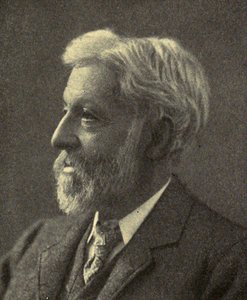
Felix Stone Moscheles
1833 - 1917
Quick Facts
- Artistic Movement Or Style: Genre Painting & Impressionism
- Artists Or Movements Influenced By This Artist: ['Fauvism']
- Artists Who Influenced This Artist:
- Ignaz Moscheles
- Felix Mendelssohn
- Date Of Birth: 1833
- Date Of Death: 1917
- Full Name: Felix Stone Moscheles
- Nationality: English
- Notable Artworks: ['A Rubber of Whist at the Studio']
- Place Of Birth: London, England

