

 Preview
 Send
Send Share
Share
 Details

 Download
 Similars
 X-Ray
X-Ray Diaporama
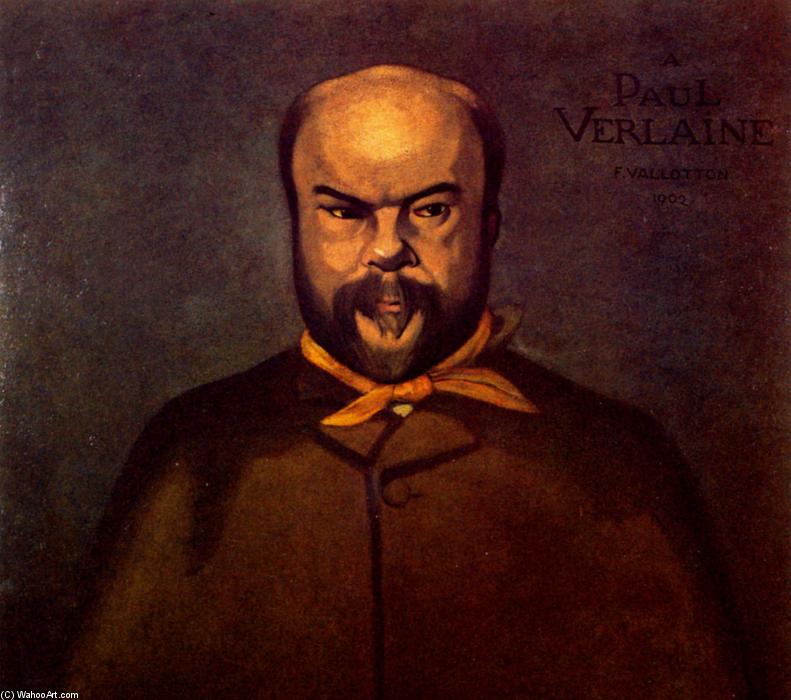
Portrait of Verlaine
 Oil
Oil- WallArt
- Post-Impressionism
 1902
1902- 19th Century
 73.0 x 82.0 cm
 Read More
Purchase a high-resolution, enhanced digital image, far superior to the online preview.
Each file is meticulously prepared by our in-house specialists using advanced tools and expert manual retouching. We ensure every image has exceptional clarity, precise color accuracy, and fine detail.
The final file is delivered via email within 72 hours, optimized for immediate use in professional, editorial, and print environments. This is the same quality trusted by top-tier design studios, publishers, and galleries.
Digital Image
Download a high-resolution file for personal display, printing, and creative projects. ( Buy Print Buy Hand Made Painting)
Included in Every Digital Image Order
Expert Digital Delivery, Guaranteed
When you choose ArtsDot.com, you're not just getting an image - you're receiving a professionally enhanced digital artwork, crafted with precision and backed by a satisfaction guarantee. Here's everything that comes with your order, automatically:

Fast Email Delivery
Your high-resolution digital image file will be emailed to you within 72 hours of ordering - ready for immediate use.

AI-Enhanced Digital File
Your artwork is professionally optimized using advanced AI tools and manual editing, ensuring maximum detail, clarity, and color accuracy.

Free Lifetime Re-Delivery
Accidentally deleted or lost your file? No worries - we'll resend it to you anytime, free of charge.

No Import Fees - Ever
Enjoy your artwork instantly with zero customs, duties, or delivery fees - digital downloads are always tax-free.

Color Accuracy Guarantee
We ensure your digital image reflects the original colors as closely as possible using professional tools and color management.

60-Day Satisfaction Guarantee
If you're not satisfied with your digital image, we'll revise it or refund 100% within 60 days - no questions asked.

100% Money-Back Guarantee
Not satisfied? Get a full refund within 60 days of receiving your digital file - no questions asked.

Bulk Order Discounts
Buy 3 images, save 10% - Buy 5, save 15% - Buy 10+, save 20%. Great for creative projects, galleries, and agencies.
A Glimpse into Fin de Siècle Introspection: The Portrait of Verlaine
To stand before Portrait of Verlaine is to encounter a moment suspended in the amber glow of early twentieth-century Parisian intellectual life. Felix Vallotton, the Swiss master whose brushstrokes captured the delicate tension between rigid societal expectation and bohemian artistic fervor, presents us here with more than just a likeness; he offers an intimate psychological study. The subject, Paul Verlaine, is rendered with a directness that forces the viewer into immediate communion. One cannot help but feel the weight of the poet's gaze, meeting our own across the span of time. Vallotton’s genius lies in his ability to distill complex inner worlds into deceptively simple compositions, making this portrait both monumental in its presence and startlingly personal in its detail.
Mastery of Post-Impressionist Color and Form
Technically, the painting is a vibrant testament to Vallotton's engagement with Post-Impressionist currents. While the photo description notes the black and white quality, one must recall that the original oil work pulsates with carefully considered color—most notably the striking yellow tie against the muted tones of the suit and background. This choice of color is anything but arbitrary; it acts as a focal point, an almost electric counterpoint to the solemnity of the sitter. Vallotton employs bold brushwork not merely for decoration, but to imbue the very fabric of the painting with energy. The composition itself is remarkably uncluttered, allowing the viewer's eye to settle naturally on the face and the symbolic splash of yellow, creating a visual rhythm that mirrors the intellectual pulse of the era.
Historical Echoes: Life at the Turn of the Century
Painted in 1902, this work sits squarely within the rich, complex tapestry of thefin de siècle. This period was one of profound cultural flux—a time when established artistic norms were fracturing under the weight of modern thought. Vallotton, himself a figure navigating worlds from Swiss conservatism to Parisian avant-garde circles, captures this very tension. The portrait feels both deeply rooted in tradition through its formal structure and radically modern through its psychological intensity. It speaks to an era obsessed with defining the self against the backdrop of rapid societal change, making it a resonant piece for any collector interested in the intersection of biography and art history.
Symbolism and Emotional Resonance
The simplicity of the setting—a plain background allowing no distraction—amplifies the symbolic weight carried by the man himself. The yellow tie, often associated with vibrancy or perhaps even a touch of flamboyant defiance, becomes a subtle emblem against the gravity of the portrait. It suggests that beneath the thoughtful exterior lies a spirit unwilling to be entirely contained. For the interior designer or art enthusiast seeking a piece that anchors a room with intellectual depth, this work offers profound emotional resonance. It is contemplative, engaging the viewer not just aesthetically, but philosophically, inviting quiet reflection upon the nature of genius and the passage of time.
Related Artworks
Artist Biography
A Life Bridging Worlds: Félix Vallotton and the Fin de Siècle
Félix Édouard Vallotton, born in Lausanne, Switzerland in 1865, was an artist whose work embodies the complex spirit of the *fin de siècle*. He navigated a path between his Swiss roots and the vibrant artistic milieu of Paris, ultimately becoming a pivotal figure in the development of modern art. His early life, steeped in the conservative Protestant values of his family—his father a pharmacist, later a chocolatier—provided a stark contrast to the bohemian world he would embrace as an artist. Though initially steered towards classical studies at the Collège Cantonal, Vallotton’s passion for visual expression led him to Paris in 1882, where he enrolled at the Académie Julian. This marked not merely a geographical relocation but a profound shift in perspective, immersing him in the heart of artistic innovation and intellectual ferment. His academic training provided a solid foundation in technique, yet it was his encounters with emerging avant-garde circles that truly ignited his creative trajectory.The Nabis and the Language of Intimacy
Vallotton’s artistic evolution took a decisive turn when he became associated with *Les Nabis*—a group of young artists including Pierre Bonnard, Édouard Vuillard, and Maurice Denis—in 1892. Though often considered somewhat of an outsider within the group, his affiliation proved crucial in shaping his distinctive style. The Nabis sought to infuse art with a spiritual quality, exploring symbolism and decorative aesthetics. Vallotton absorbed these influences but filtered them through his own unique sensibility, characterized by a cool detachment and unflinching realism. This is perhaps most powerfully expressed in his series of woodcuts, particularly *Intimités* (1898). These ten interior scenes are remarkable for their psychological intensity, depicting charged encounters between men and women with an unsettling frankness. They aren’t narratives of romance or passion but rather explorations of tension, power dynamics, and the hidden complexities within domestic life. The stark contrasts of black and white in his woodcuts—a deliberate nod to Japanese *ukiyo-e* prints—heighten the sense of unease and psychological scrutiny.Master of Woodcut and Painterly Nuance
Vallotton’s mastery extended beyond the realm of painting; he is widely celebrated as a virtuoso of woodcut, revitalizing the medium with his innovative techniques. He embraced the simplicity and directness of the form, employing bold lines and stark contrasts to create images that were both visually striking and emotionally resonant. His prints weren't merely illustrations but independent works of art, often satirical in nature, commenting on social conventions and political issues. Simultaneously, Vallotton continued to develop his painting style, moving away from purely academic approaches towards a more personal expression. He skillfully balanced realism with subtle symbolic undertones, creating portraits, landscapes, and still lifes that possess an enigmatic quality. His later paintings demonstrate a refined technique, characterized by carefully modulated colors and precise rendering of form. He often painted *paysages composés* (“composed landscapes”), constructed from memory and observation, imbued with a sense of stillness and melancholy.Legacy and Enduring Influence
Félix Vallotton’s influence resonated throughout the early 20th century, impacting artists as diverse as Edvard Munch and Ernst Ludwig Kirchner. His unflinching gaze, his exploration of psychological themes, and his innovative use of printmaking techniques paved the way for new artistic expressions. He died in Paris in 1925, leaving behind a body of work that continues to captivate and challenge viewers today. His art serves as a poignant reflection of the anxieties and contradictions of the *fin de siècle*, offering a glimpse into a world on the cusp of profound change. Vallotton’s legacy lies not only in his technical brilliance but also in his ability to capture the complexities of human experience with honesty, intelligence, and an enduring sense of mystery. He remains a compelling figure—a Swiss artist who found his voice in Paris, bridging tradition and modernity, realism and symbolism, leaving an indelible mark on the history of art.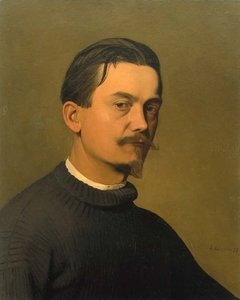
Félix Vallotton
1865 - 1925 , Switzerland
Quick Facts
- Artistic Movement Or Style: Post-Impressionism, Symbolism
- Artists Or Movements Influenced By This Artist:
- Edvard Munch
- Aubrey Beardsley
- Ernst Kirchner
- Artists Who Influenced This Artist:
- Holbein
- Ingres
- Japanese woodcut
- Date Of Birth: December 28, 1865
- Date Of Death: December 29, 1925
- Full Name: Félix Vallotton
- Nationality: Swiss/French
- Notable Artworks:
- Intimités
- Bathers on a summer evening
- Moonlight
- Place Of Birth: Lausanne, Switzerland

