

 Preview
 Send
Send Share
Share
 Details

 Download
 Similars
 X-Ray
X-Ray Diaporama
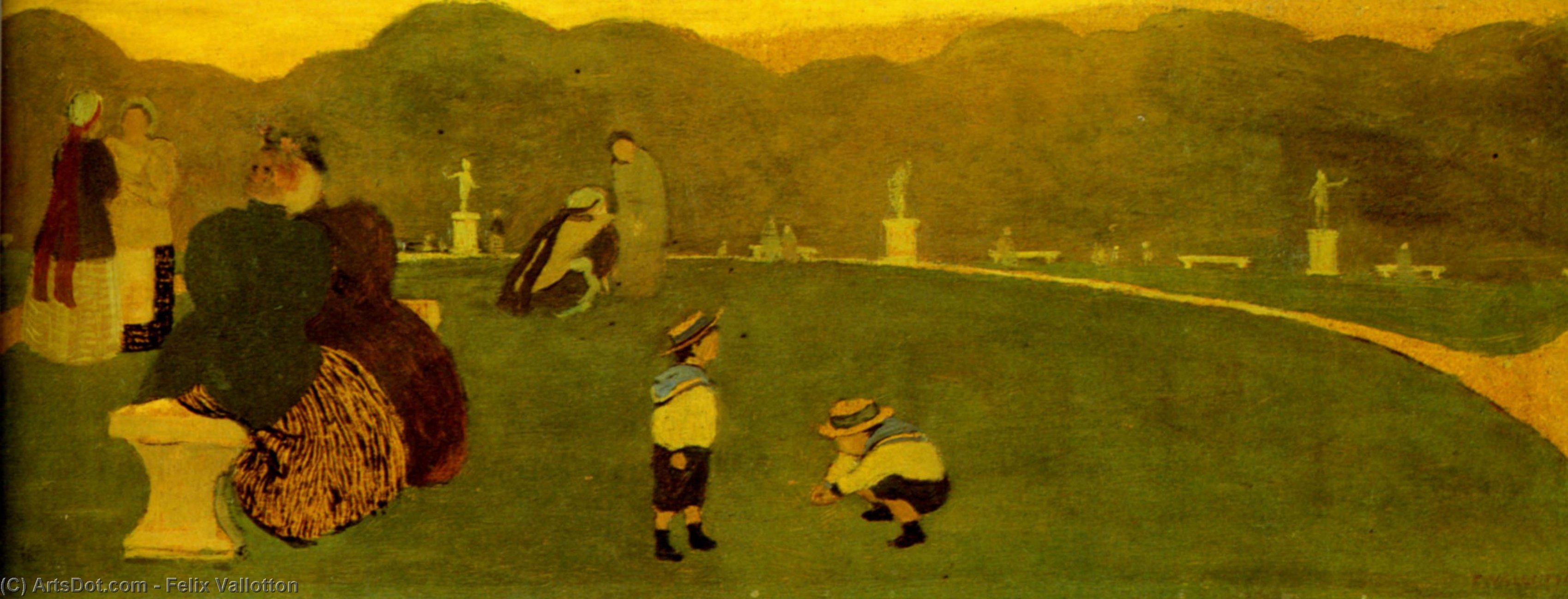
The Garden of Luxembourg
 Oil
Oil- WallArt
- Post-Impressionism
 1893
1893- 19th Century
 18.0 x 48.0 cm
 Read More
Purchase a high-resolution, enhanced digital image, far superior to the online preview.
Each file is meticulously prepared by our in-house specialists using advanced tools and expert manual retouching. We ensure every image has exceptional clarity, precise color accuracy, and fine detail.
The final file is delivered via email within 72 hours, optimized for immediate use in professional, editorial, and print environments. This is the same quality trusted by top-tier design studios, publishers, and galleries.
Digital Image
Download a high-resolution file for personal display, printing, and creative projects. ( Buy Print Buy Hand Made Painting)
Included in Every Digital Image Order
Expert Digital Delivery, Guaranteed
When you choose ArtsDot.com, you're not just getting an image - you're receiving a professionally enhanced digital artwork, crafted with precision and backed by a satisfaction guarantee. Here's everything that comes with your order, automatically:

Fast Email Delivery
Your high-resolution digital image file will be emailed to you within 72 hours of ordering - ready for immediate use.

AI-Enhanced Digital File
Your artwork is professionally optimized using advanced AI tools and manual editing, ensuring maximum detail, clarity, and color accuracy.

Free Lifetime Re-Delivery
Accidentally deleted or lost your file? No worries - we'll resend it to you anytime, free of charge.

No Import Fees - Ever
Enjoy your artwork instantly with zero customs, duties, or delivery fees - digital downloads are always tax-free.

Color Accuracy Guarantee
We ensure your digital image reflects the original colors as closely as possible using professional tools and color management.

60-Day Satisfaction Guarantee
If you're not satisfied with your digital image, we'll revise it or refund 100% within 60 days - no questions asked.

100% Money-Back Guarantee
Not satisfied? Get a full refund within 60 days of receiving your digital file - no questions asked.

Bulk Order Discounts
Buy 3 images, save 10% - Buy 5, save 15% - Buy 10+, save 20%. Great for creative projects, galleries, and agencies.
A Serene Moment Captured in Time
In the quiet corners of late nineteenth-century Paris, there existed moments of profound stillness amidst the burgeoning energy of the modern age. Félix Vallotton’s 1893 masterpiece, The Garden of Luxembourg, serves as a breathtaking window into such an era. This exquisite painting invites the viewer to step into a lush, verdant sanctuary where the frantic pace of urban life dissolves into a rhythmic, peaceful coexistence with nature. The scene unfolds across a sprawling field, populated by figures who seem caught in a delicate dance of leisure. Some wander aimlessly through the greenery, while others find repose on weathered benches, their silhouettes blending harmoniously with the landscape. A solitary bird glides through the sky above, a subtle yet poignant reminder of the living, breathing vitality that permeates this tranquil setting.
The composition is masterfully orchestrated to guide the eye through a narrative of relaxation and contemplation. Vallotton utilizes a sophisticated sense of depth, placing certain figures in the immediate foreground to create an intimate connection with the observer, while others recede into the soft, leafy backdrop of distant trees. This layering technique does more than just create perspective; it builds a world that feels both expansive and incredibly private. For the discerning collector or interior designer, this piece offers a unique sense of spatial expansion, making it an ideal centerpiece for rooms intended to evoke calm, sophistication, and a connection to the natural world.
The Mastery of Vallotton’s Technique
Félix Vallotton was a virtuoso of the fin de siècle style, known for his ability to blend structural precision with an almost poetic atmosphere. In The Garden of Luxembourg, one can observe his signature approach to form and light. His technique avoids the chaotic brushwork of some of his contemporaries, opting instead for a more controlled, deliberate application that emphasizes the shapes of the trees and the gentle contours of the human figures. The interplay of light across the field creates a soft, dappity effect, suggesting the filtered sunlight of a late afternoon. This careful manipulation of tone lends the work a dreamlike quality, where the boundaries between reality and impression begin to blur.
The color palette is a masterclass in understated elegance. Earthy greens, deep shadows, and the soft hues of the Parisian sky work in concert to establish a mood of enduring serenity. There is no jarring discord here; every pigment serves the greater purpose of maintaining the painting's equilibrium. This balance makes the artwork exceptionally versatile for high-end decor, as it complements both classical and contemporary interior aesthetics without overwhelming the surrounding space. It provides a sophisticated focal point that whispers rather than shouts, inviting long periods of quiet study and emotional resonance.
A Legacy of Peace and Presence
Beyond its aesthetic brilliance, this work carries a profound symbolic weight. The Garden of Luxembourg acts as a metaphor for the sanctuary of the human spirit—a place where one can retreat from the complexities of society to find clarity in simplicity. The figures within the painting, though anonymous, represent a universal human desire for connection with both nature and oneself. To possess a reproduction of this work is to bring a piece of this historical tranquility into the modern home, offering a constant reminder of the beauty found in stillness.
For those seeking to curate an environment of refinement and emotional depth, Vallotton’s vision offers unparalleled inspiration. Whether placed in a sunlit study or a grand living area, The Garden of Luxembourg acts as a portal to a more graceful time, enriching any space with its timeless charm and the quiet dignity of the late nineteenth-century French landscape.
Related Artworks

Artist Biography
A Life Bridging Worlds: Félix Vallotton and the Fin de Siècle
Félix Édouard Vallotton, born in Lausanne, Switzerland in 1865, was an artist whose work embodies the complex spirit of the *fin de siècle*. He navigated a path between his Swiss roots and the vibrant artistic milieu of Paris, ultimately becoming a pivotal figure in the development of modern art. His early life, steeped in the conservative Protestant values of his family—his father a pharmacist, later a chocolatier—provided a stark contrast to the bohemian world he would embrace as an artist. Though initially steered towards classical studies at the Collège Cantonal, Vallotton’s passion for visual expression led him to Paris in 1882, where he enrolled at the Académie Julian. This marked not merely a geographical relocation but a profound shift in perspective, immersing him in the heart of artistic innovation and intellectual ferment. His academic training provided a solid foundation in technique, yet it was his encounters with emerging avant-garde circles that truly ignited his creative trajectory.The Nabis and the Language of Intimacy
Vallotton’s artistic evolution took a decisive turn when he became associated with *Les Nabis*—a group of young artists including Pierre Bonnard, Édouard Vuillard, and Maurice Denis—in 1892. Though often considered somewhat of an outsider within the group, his affiliation proved crucial in shaping his distinctive style. The Nabis sought to infuse art with a spiritual quality, exploring symbolism and decorative aesthetics. Vallotton absorbed these influences but filtered them through his own unique sensibility, characterized by a cool detachment and unflinching realism. This is perhaps most powerfully expressed in his series of woodcuts, particularly *Intimités* (1898). These ten interior scenes are remarkable for their psychological intensity, depicting charged encounters between men and women with an unsettling frankness. They aren’t narratives of romance or passion but rather explorations of tension, power dynamics, and the hidden complexities within domestic life. The stark contrasts of black and white in his woodcuts—a deliberate nod to Japanese *ukiyo-e* prints—heighten the sense of unease and psychological scrutiny.Master of Woodcut and Painterly Nuance
Vallotton’s mastery extended beyond the realm of painting; he is widely celebrated as a virtuoso of woodcut, revitalizing the medium with his innovative techniques. He embraced the simplicity and directness of the form, employing bold lines and stark contrasts to create images that were both visually striking and emotionally resonant. His prints weren't merely illustrations but independent works of art, often satirical in nature, commenting on social conventions and political issues. Simultaneously, Vallotton continued to develop his painting style, moving away from purely academic approaches towards a more personal expression. He skillfully balanced realism with subtle symbolic undertones, creating portraits, landscapes, and still lifes that possess an enigmatic quality. His later paintings demonstrate a refined technique, characterized by carefully modulated colors and precise rendering of form. He often painted *paysages composés* (“composed landscapes”), constructed from memory and observation, imbued with a sense of stillness and melancholy.Legacy and Enduring Influence
Félix Vallotton’s influence resonated throughout the early 20th century, impacting artists as diverse as Edvard Munch and Ernst Ludwig Kirchner. His unflinching gaze, his exploration of psychological themes, and his innovative use of printmaking techniques paved the way for new artistic expressions. He died in Paris in 1925, leaving behind a body of work that continues to captivate and challenge viewers today. His art serves as a poignant reflection of the anxieties and contradictions of the *fin de siècle*, offering a glimpse into a world on the cusp of profound change. Vallotton’s legacy lies not only in his technical brilliance but also in his ability to capture the complexities of human experience with honesty, intelligence, and an enduring sense of mystery. He remains a compelling figure—a Swiss artist who found his voice in Paris, bridging tradition and modernity, realism and symbolism, leaving an indelible mark on the history of art.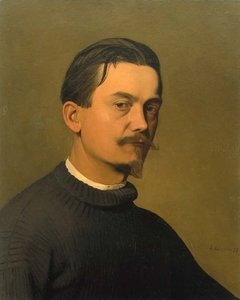
Félix Vallotton
1865 - 1925 , Switzerland
Quick Facts
- Artistic Movement Or Style: Post-Impressionism, Symbolism
- Artists Or Movements Influenced By This Artist:
- Edvard Munch
- Aubrey Beardsley
- Ernst Kirchner
- Artists Who Influenced This Artist:
- Holbein
- Ingres
- Japanese woodcut
- Date Of Birth: December 28, 1865
- Date Of Death: December 29, 1925
- Full Name: Félix Vallotton
- Nationality: Swiss/French
- Notable Artworks:
- Intimités
- Bathers on a summer evening
- Moonlight
- Place Of Birth: Lausanne, Switzerland

