 Preview
 Send
Send Share
Share
 Details

 Download
 Similars
 X-Ray
X-Ray Diaporama
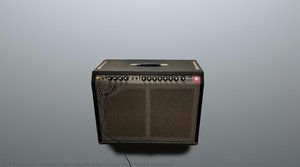
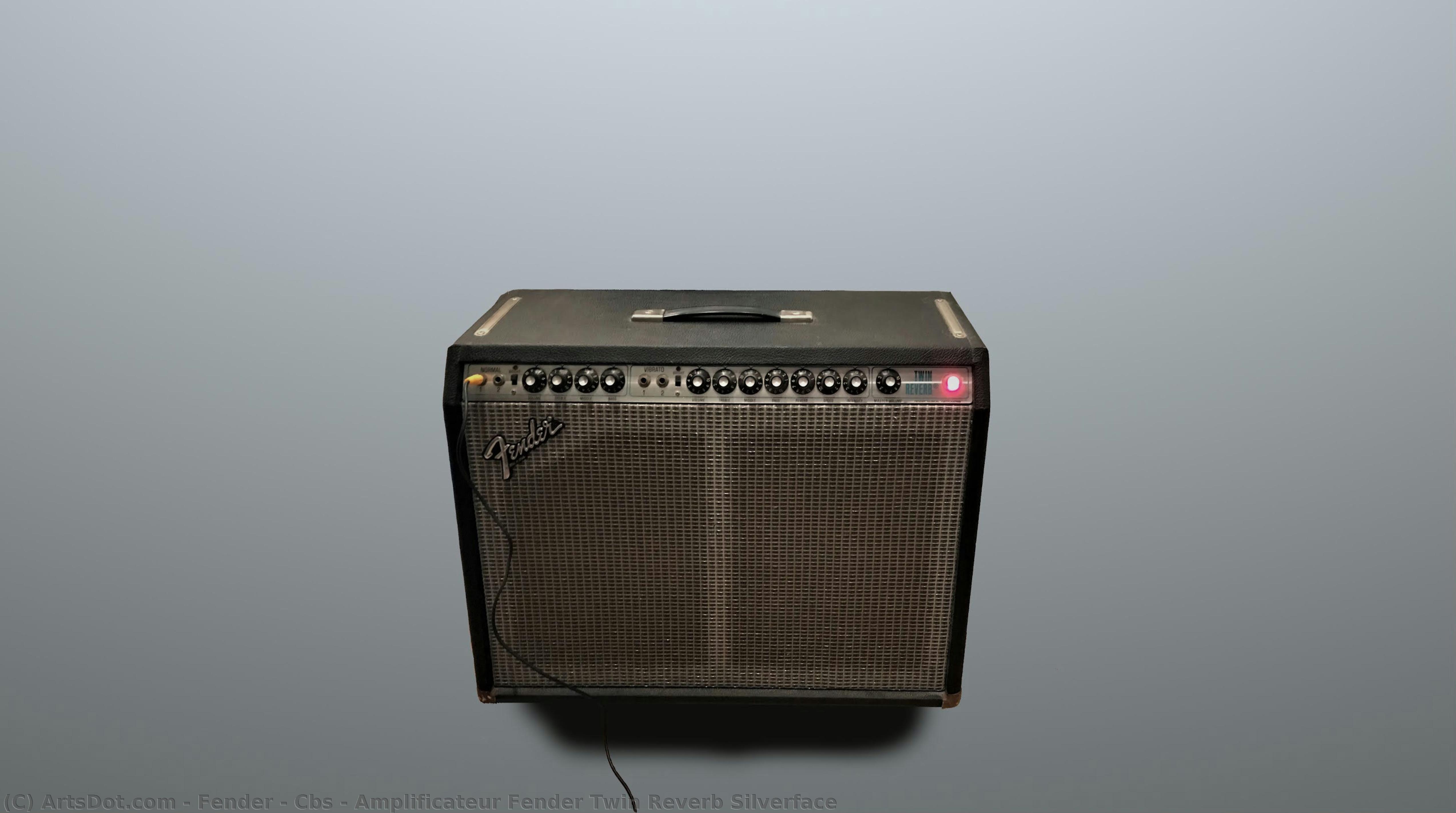
Amplificateur Fender Twin Reverb Silverface


 Read More
Hand Made Oil Reproduction
Hand-painted oil on canvas in your size and frame, made to order by our artists. ( Buy Print Buy Image)




































Pick from our preset sizes that match the artwork's original proportions.

You may enter your own dimensions to fit a specific frame or space. If your selected size does not match the original image's proportions, we will either crop the artwork or extend the painting with additional hand-painted elements. A digital mockup will be sent for your approval before production begins.
Please note that the on-screen preview does not reflect the actual cropping or extension. Only the mockup will accurately show the final composition.
While custom sizes are available, we recommend selecting a dimension from the predefined list to preserve the original proportions.
After order, ArtsDot.com team will email client for instructions and provide a mockup preview
Worldwide Delivery () in 3/4 weeks instead of standard 5 weeks. (24 August). No compromise on quality.

Free Worldwide Express Shipping

High-Quality Linen Canvas

Full Shipping Insurance

Customs Tax Refund Guarantee

True Color Matching Guarantee

60-Day Return Policy (Defects Only)

100% Money-Back Guarantee

Bulk Discount Offer
 Glass option is only available in size under 110 CM

Amplificateur Fender Twin Reverb Silverface
Reproduction Medium
Reproduction Size
-


Total Price
$ 263
Artwork Description
Related Artworks







Artist Biography
The Genesis of an Icon: Leo Fender and the Electric Revolution
Clarence Leonidas “Leo” Fender, a name synonymous with rock ‘n’ roll, country, blues, and countless other genres, wasn't a musician himself. Born in Fullerton, California, his early life revolved around electronics repair and a fascination with dismantling and rebuilding machinery. This practical bent, coupled with an astute understanding of market needs, would ultimately reshape the landscape of modern music. Before Fender guitars graced stages worldwide, he operated a radio repair shop, but even then, the seeds of innovation were being sown. He noticed musicians struggling with the limitations of acoustic instruments – their volume, their fragility, and their difficulty in projecting sound within burgeoning ensembles. This observation sparked an ambition to create something new, something that would amplify not just the sound, but also the possibilities of musical expression. The post-war era was ripe for change, and Leo Fender was poised to deliver it.From Broadcaster to Stratocaster: A Legacy in Wood and Wire
Fender’s initial foray into instrument manufacturing began with lap steel guitars, but his true breakthrough came in 1950 with the Esquire – a solid-body electric guitar that would soon evolve into the iconic Broadcaster. A naming conflict with Gretsch forced a quick rebranding to Telecaster, and thus, a legend was born. The Telecaster wasn’t just a new instrument; it was a paradigm shift. Its simple, functional design, bolt-on neck construction, and bright, twangy tone resonated with country musicians initially, but its versatility quickly attracted players across genres. However, Leo Fender didn't rest on his laurels. He envisioned an even more refined instrument, one that offered greater comfort, playability, and tonal flexibility. This vision culminated in 1954 with the Stratocaster – arguably the most recognizable electric guitar ever created. The contoured body, three pickups, vibrato system, and innovative switching options provided a sonic palette previously unimaginable. The Stratocaster wasn’t merely an instrument; it was an extension of the musician's imagination.CBS Acquisition and Beyond: Maintaining the Flame
In 1965, Fender sold his company to CBS, a move that initially provided resources for expansion but also introduced a period of change and, some argue, compromise. While CBS continued to produce guitars under the Fender name, many purists felt that quality control slipped during this era. Despite these concerns, instruments produced during the CBS years still hold significant value and are sought after by collectors. The company’s influence remained undeniable. The 1980s saw a resurgence of interest in vintage Fender guitars, leading to the reintroduction of classic models and a renewed focus on craftsmanship. Servco Pacific's acquisition of majority ownership in January 2020 signaled another chapter for Fender, promising continued innovation while honoring its rich heritage.Influences and Technical Innovations
Fender’s genius lay not in revolutionary theoretical breakthroughs but in pragmatic problem-solving and a keen understanding of materials and manufacturing processes. He wasn't aiming to reinvent music; he was striving to *facilitate* it. His designs were heavily influenced by the needs of working musicians, prioritizing playability, reliability, and ease of repair. The bolt-on neck construction, for example, allowed for easy replacement in case of damage – a feature unheard of at the time.- Solid Body Construction: Eliminated feedback issues common with hollow-body guitars.
- Three Single-Coil Pickups: Provided a wide range of tonal possibilities, from bright and crisp to warm and mellow.
- Contoured Body Design: Enhanced player comfort for extended playing sessions.
- Vibrato System: Allowed for expressive pitch bending and shimmering effects.
Historical Significance and Enduring Impact
Leo Fender's impact on music is immeasurable. His instruments became the tools of choice for generations of guitar heroes – Buddy Holly, Jimi Hendrix, Eric Clapton, Jeff Beck, Stevie Ray Vaughan, and countless others. The Stratocaster and Telecaster aren’t just guitars; they are cultural icons, symbols of rebellion, innovation, and artistic expression. They have appeared on countless recordings, shaped the sound of entire genres, and continue to inspire musicians today. Fender didn't simply build instruments; he built a legacy. His commitment to accessibility, affordability, and quality democratized music-making, empowering aspiring artists around the world. Even after his death in 1991, the Fender name continues to represent the pinnacle of electric guitar design, a testament to the enduring power of innovation and the transformative potential of a single visionary’s dream.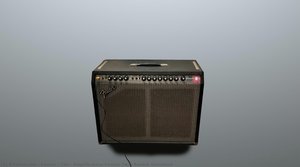
fender / cbs
United States of America
Quick Facts
- Artistic Movement Or Style: Electric Guitar Design
- Artists Or Movements Influenced By This Artist: ['Rock and Roll']
- Artists Who Influenced This Artist:
- George Beauchamp
- Lloyd Arvin
- Date Of Birth: 1909-04-05
- Date Of Death: 1991-01-21
- Full Name: Clarence Leonidas "Leo" Fender
- Nationality: American
- Notable Artworks:
- Stratocaster
- Telecaster
- Place Of Birth: Newbury Park, California