 Send
Send Share
Share
 Details

 Download
 Similars
 Diaporama
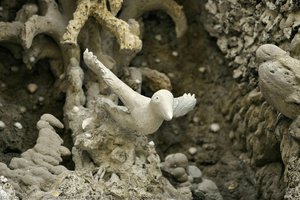
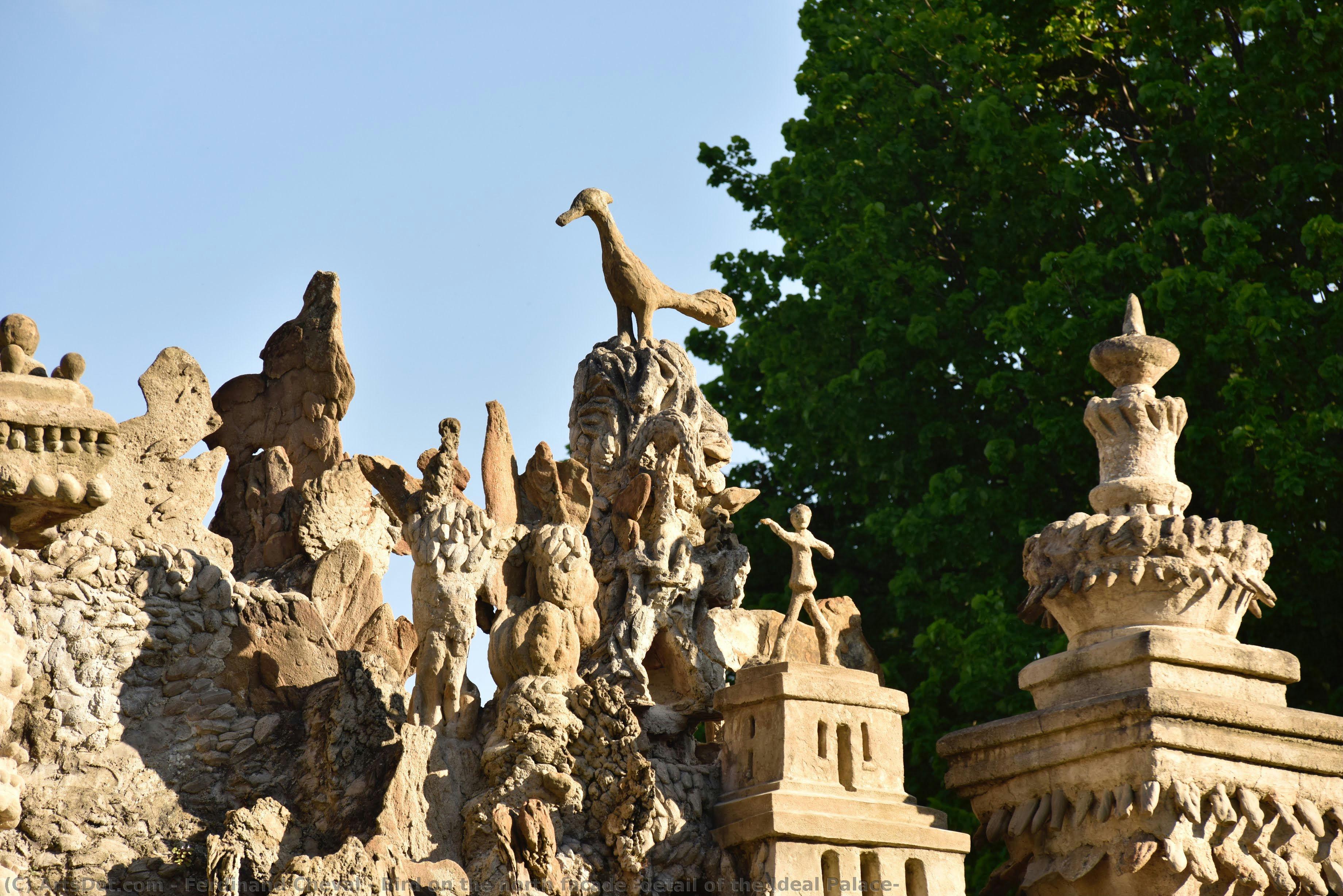
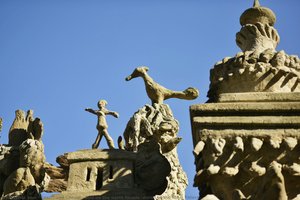
Bird on the north facade (detail of the Ideal Palace)


 Read More
Hand Made Oil Reproduction
Hand-painted oil on canvas in your size and frame, made to order by our artists. ( Buy Print Buy Image)




































Pick from our preset sizes that match the artwork's original proportions.

You may enter your own dimensions to fit a specific frame or space. If your selected size does not match the original image's proportions, we will either crop the artwork or extend the painting with additional hand-painted elements. A digital mockup will be sent for your approval before production begins.
Please note that the on-screen preview does not reflect the actual cropping or extension. Only the mockup will accurately show the final composition.
While custom sizes are available, we recommend selecting a dimension from the predefined list to preserve the original proportions.
After order, ArtsDot.com team will email client for instructions and provide a mockup preview
Worldwide Delivery () in 3/4 weeks instead of standard 5 weeks. (31 August). No compromise on quality.

Free Worldwide Express Shipping

High-Quality Linen Canvas

Full Shipping Insurance

Customs Tax Refund Guarantee

True Color Matching Guarantee

60-Day Return Policy (Defects Only)

100% Money-Back Guarantee

Bulk Discount Offer
 Glass option is only available in size under 110 CM

Bird on the north facade (detail of the Ideal Palace)
Reproduction Medium
Reproduction Size
-


Total Price
$ 263
A Vision in Clay: The Whimsical Spirit of Ferdinand Cheval
In the quiet corners of architectural history, few works capture the raw, unbridled imagination of the human spirit quite like the Bird on the north facade. This exquisite detail from Ferdinand Cheval’s legendary Palais Idéal serves as a profound testament to the power of "naïve art"—a movement born not from formal academies, but from the rhythmic, solitary labor of a dreamer. As one gazes upon this sculpted avian figure, perched precariously yet triumphantly atop its stone pedestal, there is an immediate sense of being transported to a world where the boundaries between nature and architecture dissolve into a singular, organic masterpiece.
The sculpture, dating back to 1912, captures a moment of suspended animation. The bird, meticulously crafted from clay and terracotta, possesses a lifelike vitality; its wings are spread in an eternal gesture of flight, suggesting a sudden descent or a powerful takeoff. This sense of movement is beautifully contrasted by the rugged, stationary weight of the stone structure beneath it. The interplay between the delicate, feathered textures of the bird and the coarse, multifaceted rocks creates a tactile symphony that invites the viewer to reach out and touch the very essence of Cheval’s devotion.
Symbolism and the Architecture of a Dream
To understand this piece, one must understand the man behind the stone. Ferdinand Cheval, a humble French postman, spent decades collecting pebbles and stones on his daily route, driven by a vision of a palace that would transcend the ordinary. The Bird on the north facade is more than mere decoration; it is a symbolic inhabitant of a self-constructed universe. In the context of the Palais Idéal, such creatures often represent the intersection of the earthly and the divine, echoing religious iconography and the natural wonders that Cheval encountered during his long walks through the French countryside.
The composition is layered with complexity, where the large rock formations and scattered smaller stones create a miniature landscape within the sculpture itself. This layering technique provides a sense of depth that makes the piece feel much larger than its physical dimensions. For the collector or the interior designer, this artwork offers a unique opportunity to introduce a narrative of resilience and wonder into a space. It is a conversation piece that speaks of the beauty found in the overlooked—the way a simple stone can become a monument, and how a small bird can embody the soaring heights of human ambition.
An Eternal Inspiration for Modern Spaces
For those seeking to curate an environment filled with character and soul, a high-quality reproduction of this detail offers much more than aesthetic appeal. It brings into a room the textured, earthy warmth of the late 19th and early 20th-century visionary movement. The piece harmonizes beautifully with both rustic, organic interiors and contemporary, minimalist settings, acting as a focal point that grounds a room with its historical weight while uplifting it with its whimsical subject matter.
Owning a tribute to Cheval’s work is an invitation to contemplate the extraordinary potential of the individual. Whether placed in a sunlit study or a grand gallery, the Bird on the north facade remains a captivating emblem of creativity. It serves as a reminder that art does not always require a studio or a degree; sometimes, all it requires is a single, strangely shaped stone and the unwavering will to build a dream into reality.
Related Artworks

Artist Biography
A Dream in Stone: The Life and Legacy of Ferdinand Cheval
Ferdinand Cheval, a name synonymous with unwavering dedication and the power of individual vision, remains one of France’s most compelling artistic figures. Born in 1836 in the small village of Charmes-sur-l'Herbasse, his life initially followed a conventional path – that of a rural postman. Yet, beneath this ordinary exterior lay a boundless imagination and an extraordinary determination that would ultimately manifest in one of the world’s most remarkable architectural achievements: Le Palais Idéal (The Ideal Palace). Cheval wasn’t formally trained as an artist or architect; his journey was born not from academic study but from a deeply personal and profoundly moving dream, coupled with years of solitary labor.
The Genesis of a Vision
The story of Le Palais Idéal is inextricably linked to a pivotal moment in Cheval’s life. In 1879, while on his postal route, he stumbled upon an unusually shaped stone. This seemingly insignificant event sparked a vivid recollection of a dream he'd had fifteen years prior – a dream filled with fantastical structures and elaborate designs. Haunted by this memory, and inspired by the peculiar beauty of the stone itself, Cheval embarked on a monumental undertaking. He began collecting stones during his daily rounds, initially carrying them in his pockets, then progressing to baskets and finally utilizing a wheelbarrow to transport his growing collection. This wasn’t merely construction; it was an act of devotion, fueled by a desire to materialize the ethereal world he had glimpsed in his sleep.
Thirty-Three Years of Solitary Labor
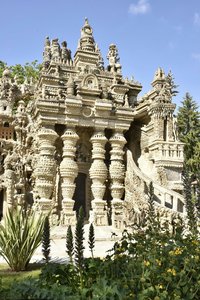
For thirty-three years, Ferdinand Cheval dedicated himself entirely to building Le Palais Idéal. He worked tirelessly after completing his postal duties, often laboring late into the night by the light of an oil lamp. The palace is a breathtaking fusion of architectural styles – Gothic, Art Nouveau, Byzantine, and even elements reminiscent of Hindu temples and ancient Egypt are woven together in a uniquely personal expression. It’s not built with grand plans or precise measurements, but rather through intuition and a relentless pursuit of his inner vision. The structure features intricate carvings, sculptures depicting animals and mythological creatures, grottoes, fountains, and a complex network of turrets and towers. The palace is adorned with inscriptions reflecting Cheval's philosophical musings and personal history.
A Testament to Naive Art & Enduring Influence
Le Palais Idéal stands as a prime example of *art brut* or naïve art architecture – creations born outside the established artistic conventions, driven by pure imagination and raw emotion. Cheval’s work defied categorization; it wasn't influenced by prevailing architectural trends but emerged directly from his subconscious. His palace captivated artists and intellectuals alike, particularly during the Surrealist movement of the 20th century. Figures like André Breton recognized in Cheval’s creation a powerful expression of the unconscious mind and a rejection of rational constraints. Today, Le Palais Idéal is preserved as a national monument in France, attracting visitors from around the globe who come to marvel at its singular beauty and the extraordinary story behind it.
Beyond the Palace: A Legacy of Inspiration
While Le Palais Idéal remains his most celebrated achievement, Ferdinand Cheval’s artistic endeavors extended beyond this monumental structure. He also created paintings, though less known, which echo the themes and mystical qualities present in his architectural masterpiece. His work serves as a potent reminder that creativity knows no boundaries and that extraordinary beauty can emerge from the most unexpected sources. Ferdinand Cheval wasn’t simply building a palace; he was constructing a world – a testament to the power of dreams, perseverance, and the enduring human spirit. His story continues to inspire artists, architects, and dreamers alike, proving that even a humble postman can leave an indelible mark on the landscape of art history.
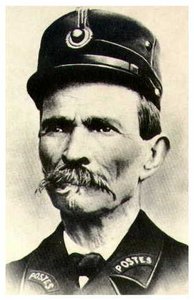
Ferdinand Cheval
1836 - 1924 , France
Quick Facts
- Artistic Movement Or Style: Naïve art architecture
- Artists Or Movements Influenced By This Artist:
- Surrealists
- Naïve art artists
- Date Of Birth: 1836
- Date Of Death: 1924
- Full Name: Ferdinand Cheval
- Nationality: French
- Notable Artworks:
- Le Palais idéal
- The Grotto of the Dream
- Place Of Birth: Charmes-sur-l'Herbasse, France
Related Articles

Bronze Sculptures That Defined Art History | ArtsDot
Journey through art history with our Top 10 bronze sculptures! Explore masterpieces by Rodin, Michelangelo & more. Discover stories behind iconic statues and find museum-quality reproductions for your home decor at ArtsDot.com.

The Enduring Form: Exploring Themes & Techniques in Sculpture Across Historical Periods
Explore the rich history of sculpture from ancient masterpieces to contemporary innovations. Discover key techniques, influential artists & investment potential for discerning art collectors.

The Enduring Form: Sculpture Across History, Technique & Emotional Resonance
Explore the rich history of sculpture with ArtsDot. Discover key techniques, influential artists & investment potential for discerning collectors. Expert insights into valuing and collecting timeless masterpieces.

Bronze Age to Modern Masters: 10 Sculptures That Redefined Art | ArtsDot
Journey through art history with 10 legendary bronze sculptures – from Michelangelo's David to Rodin’s Thinker. Explore the stories, techniques & timeless beauty of these masterpieces. Find museum-quality reproductions & elevate your home decor on ArtsDot.com.
The Enduring Legacy of Bronze Sculpture: History, Techniques & Contemporary Interpretations
Explore the rich history & enduring appeal of bronze sculpture. Learn about casting techniques, iconic artists, collecting tips, & contemporary interpretations. Expert insights for discerning art collectors.