 Send
Send Share
Share
 Details

 Download
 Similars
 Diaporama
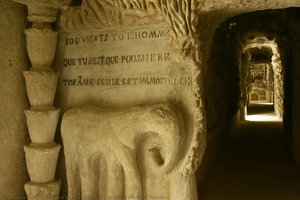
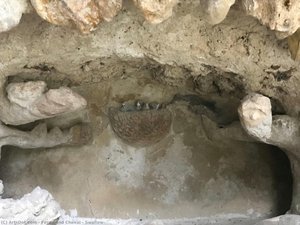
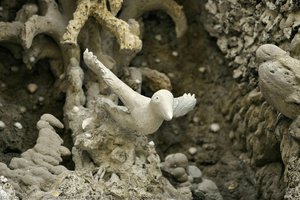
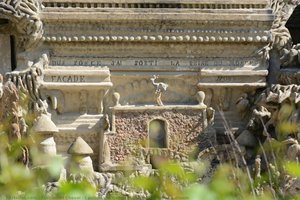
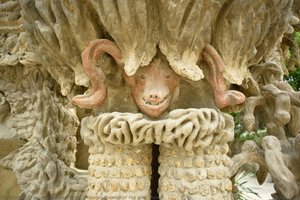
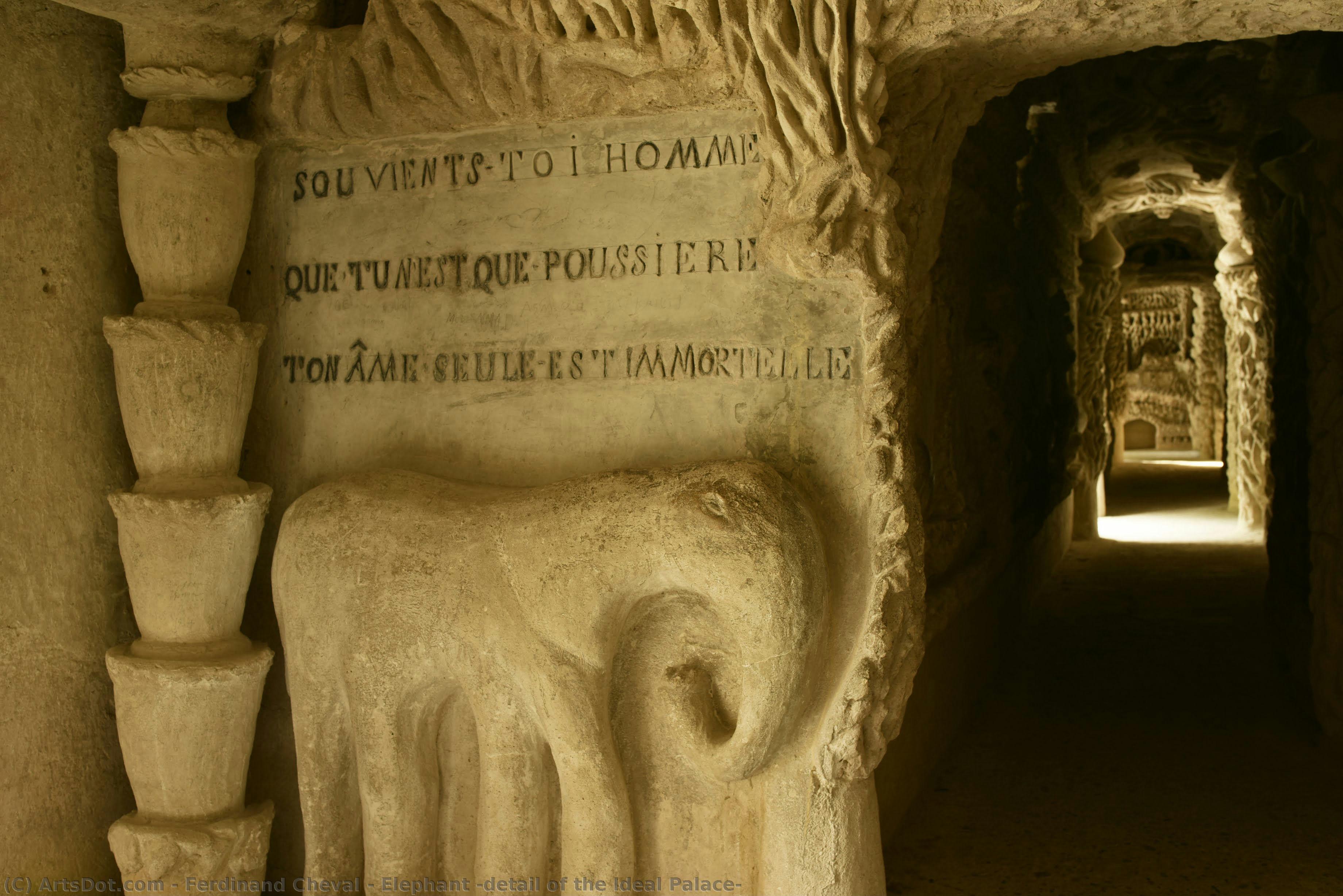
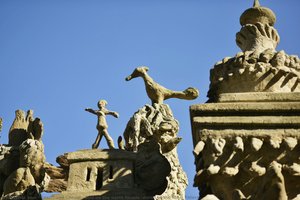
Elephant (detail of the Ideal Palace)


 Read More
Giclée / Art Print
Museum-quality giclée or canvas print with fast production and flexible finish options. ( Buy Hand Made Painting Buy Image)




































Pick from our preset sizes that match the artwork's original proportions.

You may enter your own dimensions to fit a specific frame or space. If your selected size does not match the original image's proportions, we will either crop the artwork or extend the image with a mirrored or solid-fill edge. A digital mockup will be sent for your approval before production begins.
Please note that the on-screen preview does not reflect the actual cropping or extension. Only the mockup will accurately show the final composition.
While custom sizes are available, we recommend selecting a dimension from the predefined list to preserve the original proportions.
Worldwide Delivery () in 2 weeks instead of standard 4/5 weeks. (26 August)

Free Worldwide Express Shipping

High-Quality Linen Canvas

Full Shipping Insurance

Customs Tax Refund Guarantee

True Color Matching Guarantee

60-Day Return Policy (Defects Only)

100% Money-Back Guarantee

Bulk Discount Offer
 Glass option is only available in size under 110 CM

Elephant (detail of the Ideal Palace)
Giclée / Art Print
Reproduction Size
-


Total Price
$ 63
Collectible Description
A Dream Carved in Stone: The Elephant of Le Palais Idéal
In the quiet, sun-drenched landscapes of rural France, there exists a monument that defies the boundaries of conventional architecture and the limits of human patience. At the heart of Ferdinand Cheval’s legendary Le Palais Idala lies a detail that captures the imagination like no other: the stone elephant. This sculpture, captured in a hauntingly beautiful monochrome perspective, serves as a profound testament to the power of the solitary vision. To gaze upon this elephant is to step into a dreamscape where the heavy, tactile reality of stone meets the ethereal lightness of a postman's imagination. The way the light interacts with the rugged, textured surface of the creature evokes a sense of ancient permanence, making it an irresistible focal point for any collection dedicated to the wonders of Naïve Art.
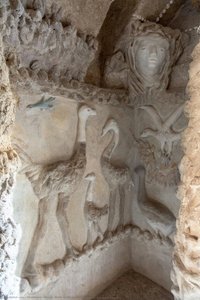
The artistry of this piece is rooted in the unique, self-taught technique of Ferdinand Cheval, a man who transformed his daily postal route into a decades-long pilgrimage of creation. Unlike the polished marble of classical academies, this elephant possesses a raw, organic energy. Every crevice and protrusion in the stone speaks to the painstaking labor of a creator who gathered pebbles and stones from the earth to build a world from scratch. The composition, often viewed through the lens of historical photography, reveals a labyrinthine setting where vases and architectural fragments are scattered like forgotten treasures. For the discerning collector or interior designer, this piece offers more than just visual interest; it provides a narrative of resilience and the triumph of the human spirit over the mundane.
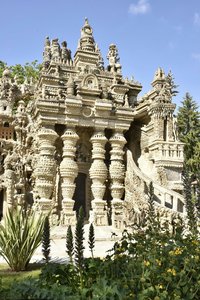
Symbolically, the elephant stands as a sentinel of memory and strength within the sprawling, surrealist landscape of the Ideal Palace. It represents the weight of dreams—heavy, unyielding, and magnificent. The surrounding elements, such as the delicate vases nestled in stone passageways, create a striking contrast between the monumental and the ornamental, much like the blend of Gothic, Byzantine, and Art Nouveau influences found throughout Cheval's masterpiece. This interplay of textures makes a high-quality reproduction an extraordinary addition to a sophisticated interior, particularly in spaces that celebrate eclectic history or avant-garde aesthetics.
Integrating a reproduction of this sculptural detail into a modern living space allows for a profound emotional connection to the past. It invites conversation and contemplation, acting as a window into a time when art was not merely a profession, but a life's calling. Whether placed in a minimalist gallery setting or a richly layered study, the Elephant of the Ideal Palace brings an aura of mystery and a sense of timelessness. It is an invitation to dream, to build, and to find the extraordinary within the ordinary stones of our own lives.
Related Artworks
Artist Biography
A Dream in Stone: The Life and Legacy of Ferdinand Cheval
Ferdinand Cheval, a name synonymous with unwavering dedication and the power of individual vision, remains one of France’s most compelling artistic figures. Born in 1836 in the small village of Charmes-sur-l'Herbasse, his life initially followed a conventional path – that of a rural postman. Yet, beneath this ordinary exterior lay a boundless imagination and an extraordinary determination that would ultimately manifest in one of the world’s most remarkable architectural achievements: Le Palais Idéal (The Ideal Palace). Cheval wasn’t formally trained as an artist or architect; his journey was born not from academic study but from a deeply personal and profoundly moving dream, coupled with years of solitary labor.
The Genesis of a Vision
The story of Le Palais Idéal is inextricably linked to a pivotal moment in Cheval’s life. In 1879, while on his postal route, he stumbled upon an unusually shaped stone. This seemingly insignificant event sparked a vivid recollection of a dream he'd had fifteen years prior – a dream filled with fantastical structures and elaborate designs. Haunted by this memory, and inspired by the peculiar beauty of the stone itself, Cheval embarked on a monumental undertaking. He began collecting stones during his daily rounds, initially carrying them in his pockets, then progressing to baskets and finally utilizing a wheelbarrow to transport his growing collection. This wasn’t merely construction; it was an act of devotion, fueled by a desire to materialize the ethereal world he had glimpsed in his sleep.
Thirty-Three Years of Solitary Labor
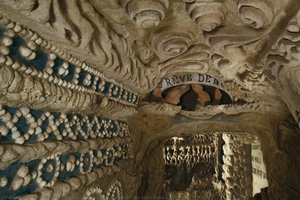
For thirty-three years, Ferdinand Cheval dedicated himself entirely to building Le Palais Idéal. He worked tirelessly after completing his postal duties, often laboring late into the night by the light of an oil lamp. The palace is a breathtaking fusion of architectural styles – Gothic, Art Nouveau, Byzantine, and even elements reminiscent of Hindu temples and ancient Egypt are woven together in a uniquely personal expression. It’s not built with grand plans or precise measurements, but rather through intuition and a relentless pursuit of his inner vision. The structure features intricate carvings, sculptures depicting animals and mythological creatures, grottoes, fountains, and a complex network of turrets and towers. The palace is adorned with inscriptions reflecting Cheval's philosophical musings and personal history.
A Testament to Naive Art & Enduring Influence
Le Palais Idéal stands as a prime example of *art brut* or naïve art architecture – creations born outside the established artistic conventions, driven by pure imagination and raw emotion. Cheval’s work defied categorization; it wasn't influenced by prevailing architectural trends but emerged directly from his subconscious. His palace captivated artists and intellectuals alike, particularly during the Surrealist movement of the 20th century. Figures like André Breton recognized in Cheval’s creation a powerful expression of the unconscious mind and a rejection of rational constraints. Today, Le Palais Idéal is preserved as a national monument in France, attracting visitors from around the globe who come to marvel at its singular beauty and the extraordinary story behind it.
Beyond the Palace: A Legacy of Inspiration
While Le Palais Idéal remains his most celebrated achievement, Ferdinand Cheval’s artistic endeavors extended beyond this monumental structure. He also created paintings, though less known, which echo the themes and mystical qualities present in his architectural masterpiece. His work serves as a potent reminder that creativity knows no boundaries and that extraordinary beauty can emerge from the most unexpected sources. Ferdinand Cheval wasn’t simply building a palace; he was constructing a world – a testament to the power of dreams, perseverance, and the enduring human spirit. His story continues to inspire artists, architects, and dreamers alike, proving that even a humble postman can leave an indelible mark on the landscape of art history.
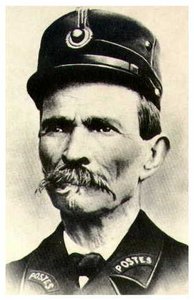
Ferdinand Cheval
1836 - 1924 , France
Quick Facts
- Artistic Movement Or Style: Naïve art architecture
- Artists Or Movements Influenced By This Artist:
- Surrealists
- Naïve art artists
- Date Of Birth: 1836
- Date Of Death: 1924
- Full Name: Ferdinand Cheval
- Nationality: French
- Notable Artworks:
- Le Palais idéal
- The Grotto of the Dream
- Place Of Birth: Charmes-sur-l'Herbasse, France
Related Articles

Bronze Sculptures That Defined Art History | ArtsDot
Journey through art history with our Top 10 bronze sculptures! Explore masterpieces by Rodin, Michelangelo & more. Discover stories behind iconic statues and find museum-quality reproductions for your home decor at ArtsDot.com.

The Enduring Form: Exploring Themes & Techniques in Sculpture Across Historical Periods
Explore the rich history of sculpture from ancient masterpieces to contemporary innovations. Discover key techniques, influential artists & investment potential for discerning art collectors.

The Enduring Form: Sculpture Across History, Technique & Emotional Resonance
Explore the rich history of sculpture with ArtsDot. Discover key techniques, influential artists & investment potential for discerning collectors. Expert insights into valuing and collecting timeless masterpieces.

Bronze Age to Modern Masters: 10 Sculptures That Redefined Art | ArtsDot
Journey through art history with 10 legendary bronze sculptures – from Michelangelo's David to Rodin’s Thinker. Explore the stories, techniques & timeless beauty of these masterpieces. Find museum-quality reproductions & elevate your home decor on ArtsDot.com.
The Enduring Allure of Marble in Art History: From Classical Sculpture to Modern Abstraction
Explore the captivating history of marble sculpture from ancient Greece to modern art. Discover renowned artists like Canova & Michelangelo, carving techniques, and investment insights at ArtsDot.