 Preview
 Send
Send Share
Share
 Details

 Download
 Similars
 X-Ray
X-Ray Diaporama
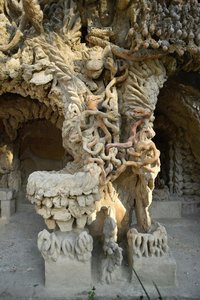
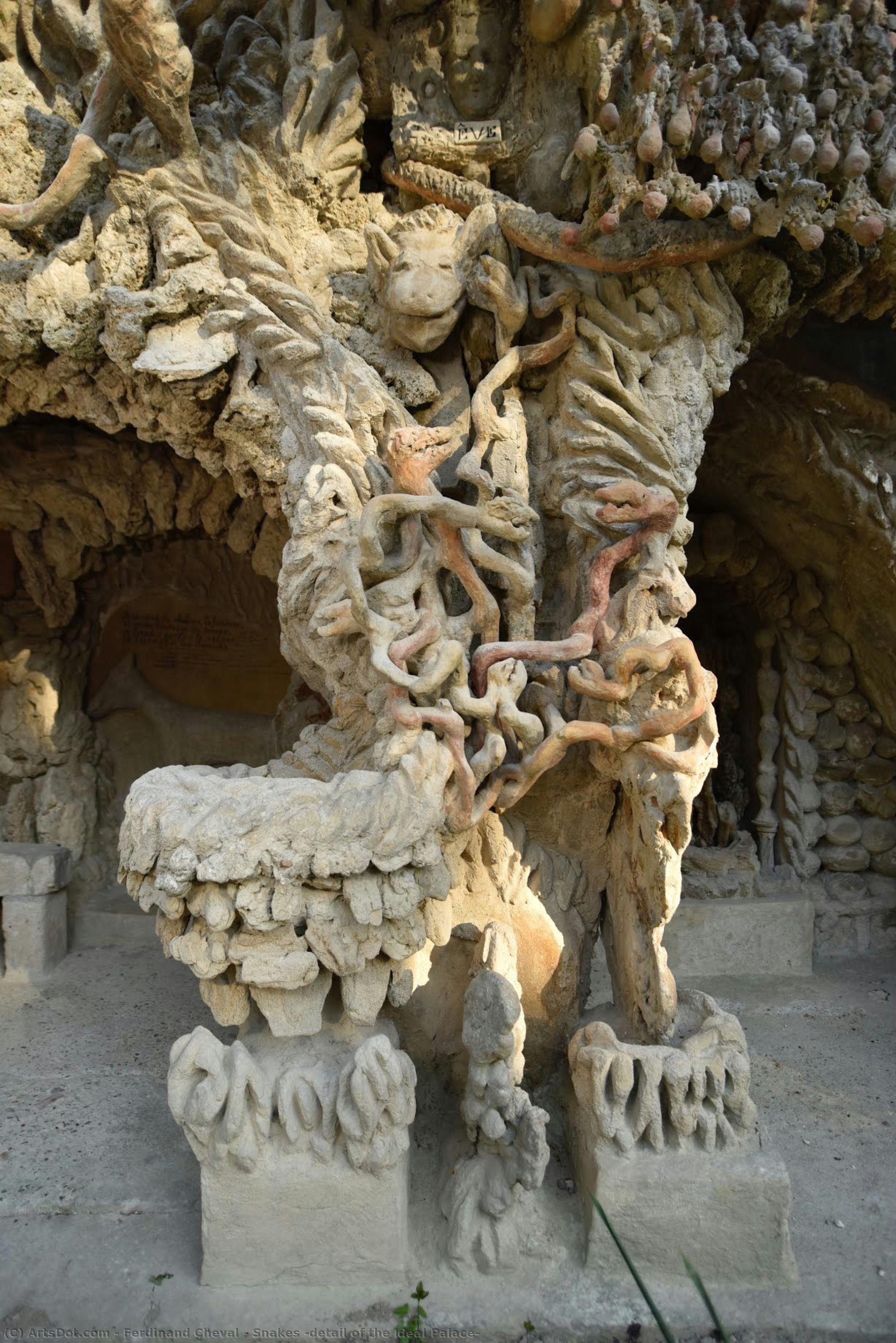
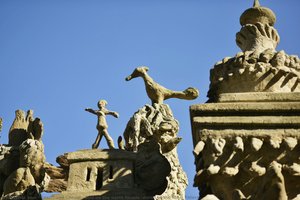
Snakes (detail of the Ideal Palace)


 Read More
Hand Made Oil Reproduction
Hand-painted oil on canvas in your size and frame, made to order by our artists. ( Buy Print Buy Image)




P118B $10

P118H $10

P118W $10

P438Z $10

P508JH $12

P508YH $12

P805H $10

P805Z $10

P919BZ $10

P919G $10

P919XJ $10

P959ZH $10

P968JZ $12

W106C $8

W218G $10

W218JH $8

W218Y $10

W307PJ $10

W316G $10

W316PJ $8

W316Y $10

W398PJ $8

W4111J $10

W500HY $15

W500JH $15

W692G $12

W849H $8

W940BG $15

W953PJ $8




Pick from our preset sizes that match the artwork's original proportions.

You may enter your own dimensions to fit a specific frame or space. If your selected size does not match the original image's proportions, we will either crop the artwork or extend the painting with additional hand-painted elements. A digital mockup will be sent for your approval before production begins.
Please note that the on-screen preview does not reflect the actual cropping or extension. Only the mockup will accurately show the final composition.
While custom sizes are available, we recommend selecting a dimension from the predefined list to preserve the original proportions.
After order, ArtsDot.com team will email client for instructions and provide a mockup preview
Worldwide Delivery () in 3/4 weeks instead of standard 5 weeks. (30 August). No compromise on quality.

Free Worldwide Express Shipping

High-Quality Linen Canvas

Full Shipping Insurance

Customs Tax Refund Guarantee

True Color Matching Guarantee

60-Day Return Policy (Defects Only)

100% Money-Back Guarantee

Bulk Discount Offer
 Glass option is only available in size under 110 CM

Snakes (detail of the Ideal Palace)
Reproduction Medium
Reproduction Size
-


Total Price
$ 263
Ferdinand Cheval: A Dream in Stone – The Extraordinary Tale of Le Palais Idéal
Ferdinand Cheval (1836-1924), a name that might not immediately resonate with art aficionados, stands as one of France’s most singular artistic figures. His journey began humbly—as a rural postman—yet within this unassuming exterior resided an imagination ablaze and a determination bordering on obsession. This unwavering devotion would culminate in arguably the world's most remarkable architectural achievement: Le Palais Idéal (The Ideal Palace), a monument that defies categorization and embodies the very essence of *art brut* – art created outside the confines of formal artistic training, driven solely by intuition and raw emotion.
- The Genesis of Vision
- Construction: A Solitary Pilgrimage
- Architectural Fusion: Gothic, Art Nouveau & Byzantine Influences
- Symbolism and Mythological Imagery
- Legacy and Recognition
The Genesis of Vision
The story of Le Palais Idéal is inextricably linked to a pivotal moment in Cheval’s life. In 1879, while traversing his postal route, he encountered an unusually shaped stone—a seemingly insignificant occurrence that sparked a vivid recollection of a dream he'd had fifteen years prior. This dream depicted fantastical structures and elaborate designs, populated by figures drawn from mythology and imbued with profound spiritual significance. Haunted by this memory, Cheval felt compelled to translate the ethereal beauty of his subconscious into tangible form.
“It was as if I were seeing a palace,” Cheval recounted in his memoirs. “I knew exactly how it would look.” This dream served as the catalyst for an ambitious undertaking—one that would consume him entirely for thirty-three years.
Construction: A Solitary Pilgrimage
Unlike conventional architects who rely on blueprints and meticulous calculations, Cheval approached his project with a radically different methodology. He began collecting stones during his daily postal rounds—a seemingly mundane activity that concealed an extraordinary dedication. Initially carrying stones in his pockets, he progressed to baskets and eventually utilized a wheelbarrow to transport his growing collection. This wasn’t merely construction; it was an act of devotion, fueled by a desire to materialize the dreamscape he had encountered.
Working tirelessly after completing his postal duties—often late into the night illuminated by a flickering oil lamp—Cheval painstakingly assembled the palace block by block. The sheer scale of the project demanded immense physical effort and unwavering perseverance. Despite facing ridicule from colleagues and skepticism from critics, Cheval remained steadfast in his conviction that he was pursuing something far greater than mere architectural accomplishment.
Architectural Fusion: Gothic, Art Nouveau & Byzantine Influences
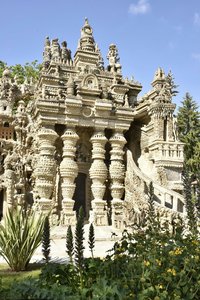
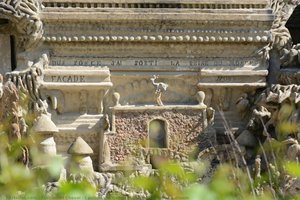
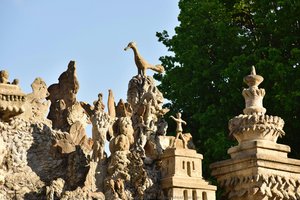
Le Palais Idéal is a breathtaking fusion of architectural styles—Gothic, Art Nouveau, Byzantine, and even elements reminiscent of Hindu temples and ancient Egypt are interwoven in a uniquely personal expression. Cheval’s design defies stylistic conventions; it wasn't influenced by prevailing trends but emerged directly from his inner vision.
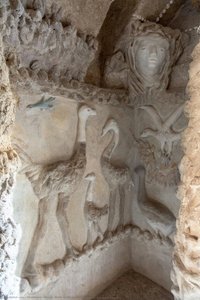
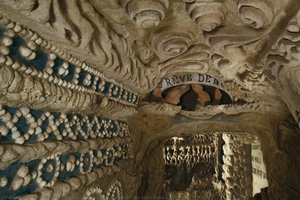
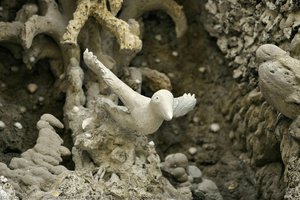
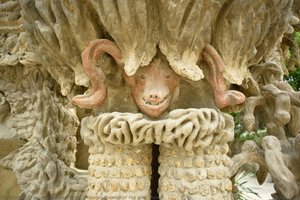
The palace features intricate carvings depicting animals and mythological creatures—dragons, griffins, eagles—symbols laden with significance representing strength, nobility, and divine protection. Grottoes adorned with shimmering mosaics evoke the grandeur of Byzantine churches, while towering turrets and towers ascend towards the heavens, mirroring the aspirations of medieval cathedrals.
Symbolism and Mythological Imagery
Beyond its architectural splendor, Le Palais Idéal is replete with symbolic imagery reflecting Cheval’s philosophical musings and personal history. Sculptures depicting Adam and Eve—a reference to the creation myth—are positioned prominently within the palace's interior, symbolizing innocence and divine grace.
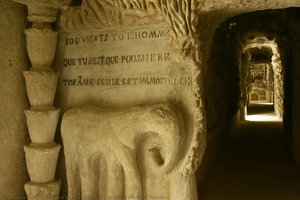
The palace’s walls are inscribed with quotations from philosophers and poets—including Dante Alighieri and Friedrich Nietzsche—expressing Cheval’s intellectual curiosity and his belief in the transformative power of art. These inscriptions serve as a testament to Cheval’s unwavering conviction that Le Palais Idéal was not merely a building but an embodiment of human aspiration.
Legacy and Recognition
Le Palais Idéal captivated artists and intellectuals alike, particularly during the Surrealist movement of the 20th century. André Breton recognized in Cheval’s creation a powerful expression of the unconscious mind and a rejection of rational constraints. Today, Le Palais Idéal stands as a national monument in France—a testament to the enduring human spirit and an unparalleled example of *art brut* architecture.
Its singular beauty continues to inspire visitors from around the globe who come to marvel at its fantastical design and contemplate the extraordinary story behind it. Ferdinand Cheval’s legacy transcends architectural achievement; he remains a beacon of creativity, demonstrating that even a humble postman can leave an indelible mark on the annals of art history.
Related Artworks
Artist Biography
A Dream in Stone: The Life and Legacy of Ferdinand Cheval
Ferdinand Cheval, a name synonymous with unwavering dedication and the power of individual vision, remains one of France’s most compelling artistic figures. Born in 1836 in the small village of Charmes-sur-l'Herbasse, his life initially followed a conventional path – that of a rural postman. Yet, beneath this ordinary exterior lay a boundless imagination and an extraordinary determination that would ultimately manifest in one of the world’s most remarkable architectural achievements: Le Palais Idéal (The Ideal Palace). Cheval wasn’t formally trained as an artist or architect; his journey was born not from academic study but from a deeply personal and profoundly moving dream, coupled with years of solitary labor.
The Genesis of a Vision
The story of Le Palais Idéal is inextricably linked to a pivotal moment in Cheval’s life. In 1879, while on his postal route, he stumbled upon an unusually shaped stone. This seemingly insignificant event sparked a vivid recollection of a dream he'd had fifteen years prior – a dream filled with fantastical structures and elaborate designs. Haunted by this memory, and inspired by the peculiar beauty of the stone itself, Cheval embarked on a monumental undertaking. He began collecting stones during his daily rounds, initially carrying them in his pockets, then progressing to baskets and finally utilizing a wheelbarrow to transport his growing collection. This wasn’t merely construction; it was an act of devotion, fueled by a desire to materialize the ethereal world he had glimpsed in his sleep.
Thirty-Three Years of Solitary Labor
For thirty-three years, Ferdinand Cheval dedicated himself entirely to building Le Palais Idéal. He worked tirelessly after completing his postal duties, often laboring late into the night by the light of an oil lamp. The palace is a breathtaking fusion of architectural styles – Gothic, Art Nouveau, Byzantine, and even elements reminiscent of Hindu temples and ancient Egypt are woven together in a uniquely personal expression. It’s not built with grand plans or precise measurements, but rather through intuition and a relentless pursuit of his inner vision. The structure features intricate carvings, sculptures depicting animals and mythological creatures, grottoes, fountains, and a complex network of turrets and towers. The palace is adorned with inscriptions reflecting Cheval's philosophical musings and personal history.
A Testament to Naive Art & Enduring Influence
Le Palais Idéal stands as a prime example of *art brut* or naïve art architecture – creations born outside the established artistic conventions, driven by pure imagination and raw emotion. Cheval’s work defied categorization; it wasn't influenced by prevailing architectural trends but emerged directly from his subconscious. His palace captivated artists and intellectuals alike, particularly during the Surrealist movement of the 20th century. Figures like André Breton recognized in Cheval’s creation a powerful expression of the unconscious mind and a rejection of rational constraints. Today, Le Palais Idéal is preserved as a national monument in France, attracting visitors from around the globe who come to marvel at its singular beauty and the extraordinary story behind it.
Beyond the Palace: A Legacy of Inspiration
While Le Palais Idéal remains his most celebrated achievement, Ferdinand Cheval’s artistic endeavors extended beyond this monumental structure. He also created paintings, though less known, which echo the themes and mystical qualities present in his architectural masterpiece. His work serves as a potent reminder that creativity knows no boundaries and that extraordinary beauty can emerge from the most unexpected sources. Ferdinand Cheval wasn’t simply building a palace; he was constructing a world – a testament to the power of dreams, perseverance, and the enduring human spirit. His story continues to inspire artists, architects, and dreamers alike, proving that even a humble postman can leave an indelible mark on the landscape of art history.
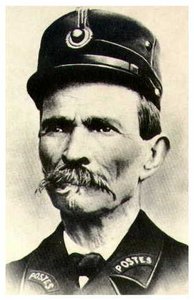
Ferdinand Cheval
1836 - 1924 , France
Quick Facts
- Artistic Movement Or Style: Naïve art architecture
- Artists Or Movements Influenced By This Artist:
- Surrealists
- Naïve art artists
- Date Of Birth: 1836
- Date Of Death: 1924
- Full Name: Ferdinand Cheval
- Nationality: French
- Notable Artworks:
- Le Palais idéal
- The Grotto of the Dream
- Place Of Birth: Charmes-sur-l'Herbasse, France
Related Articles

Bronze Sculptures That Defined Art History | ArtsDot
Journey through art history with our Top 10 bronze sculptures! Explore masterpieces by Rodin, Michelangelo & more. Discover stories behind iconic statues and find museum-quality reproductions for your home decor at ArtsDot.com.

The Enduring Form: Exploring Themes & Techniques in Sculpture Across Historical Periods
Explore the rich history of sculpture from ancient masterpieces to contemporary innovations. Discover key techniques, influential artists & investment potential for discerning art collectors.

The Enduring Form: Sculpture Across History, Technique & Emotional Resonance
Explore the rich history of sculpture with ArtsDot. Discover key techniques, influential artists & investment potential for discerning collectors. Expert insights into valuing and collecting timeless masterpieces.

Bronze Age to Modern Masters: 10 Sculptures That Redefined Art | ArtsDot
Journey through art history with 10 legendary bronze sculptures – from Michelangelo's David to Rodin’s Thinker. Explore the stories, techniques & timeless beauty of these masterpieces. Find museum-quality reproductions & elevate your home decor on ArtsDot.com.
The Enduring Legacy of Bronze Sculpture: History, Techniques & Contemporary Interpretations
Explore the rich history & enduring appeal of bronze sculpture. Learn about casting techniques, iconic artists, collecting tips, & contemporary interpretations. Expert insights for discerning art collectors.