

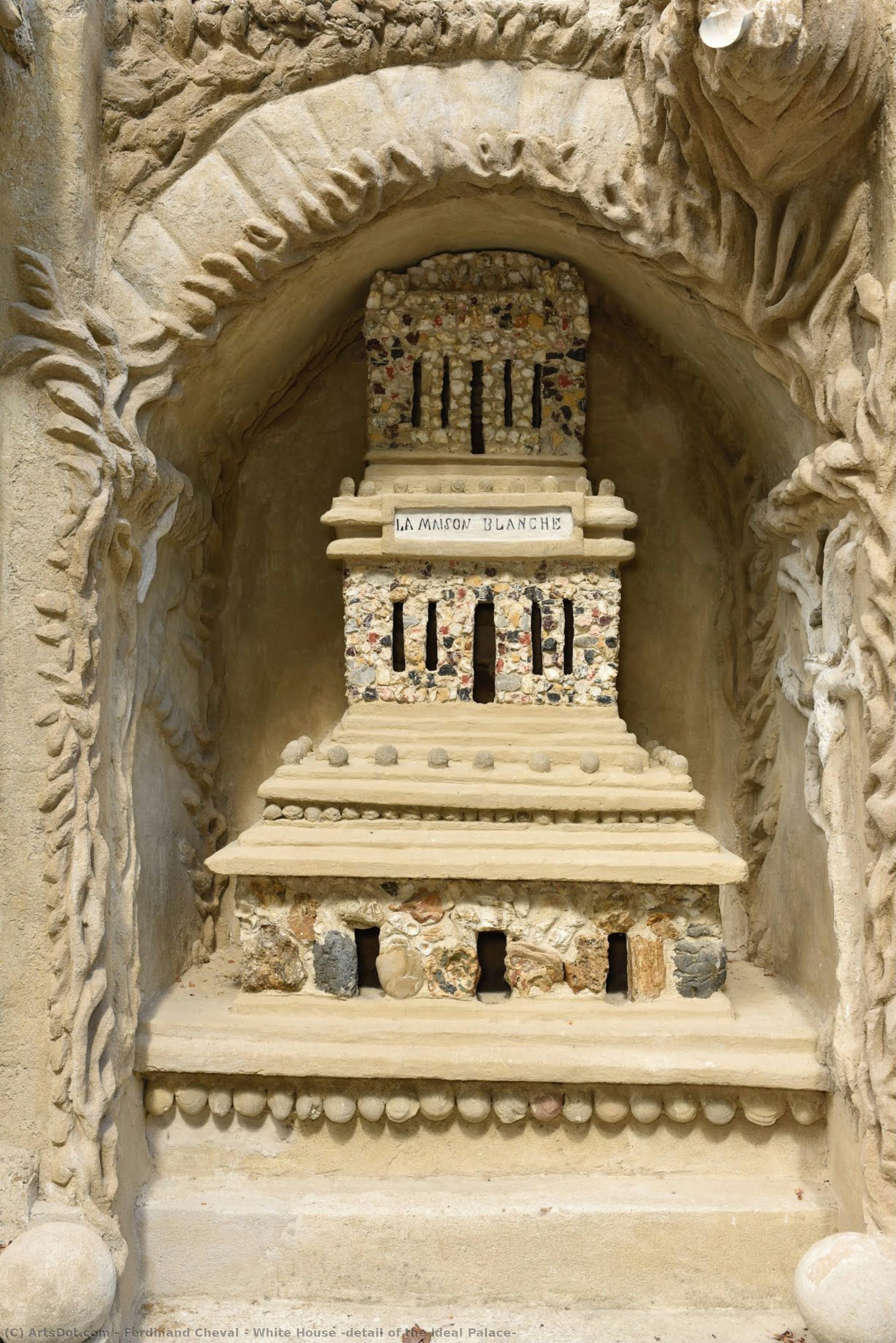
 Preview
 Send
Send Share
Share
 Details

 Download
 Similars
 X-Ray
X-Ray Diaporama
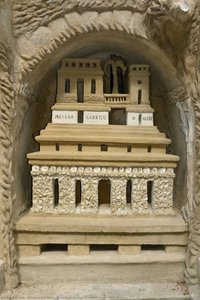
White House (detail of the Ideal Palace)


 Read More
Purchase a high-resolution, enhanced digital image, far superior to the online preview.
Each file is meticulously prepared by our in-house specialists using advanced tools and expert manual retouching. We ensure every image has exceptional clarity, precise color accuracy, and fine detail.
The final file is delivered via email within 72 hours, optimized for immediate use in professional, editorial, and print environments. This is the same quality trusted by top-tier design studios, publishers, and galleries.
Digital Image
Download a high-resolution file for personal display, printing, and creative projects. ( Buy Print Buy Hand Made Painting)
Included in Every Digital Image Order
Expert Digital Delivery, Guaranteed
When you choose ArtsDot.com, you're not just getting an image - you're receiving a professionally enhanced digital artwork, crafted with precision and backed by a satisfaction guarantee. Here's everything that comes with your order, automatically:

Fast Email Delivery
Your high-resolution digital image file will be emailed to you within 72 hours of ordering - ready for immediate use.

AI-Enhanced Digital File
Your artwork is professionally optimized using advanced AI tools and manual editing, ensuring maximum detail, clarity, and color accuracy.

Free Lifetime Re-Delivery
Accidentally deleted or lost your file? No worries - we'll resend it to you anytime, free of charge.

No Import Fees - Ever
Enjoy your artwork instantly with zero customs, duties, or delivery fees - digital downloads are always tax-free.

Color Accuracy Guarantee
We ensure your digital image reflects the original colors as closely as possible using professional tools and color management.

60-Day Satisfaction Guarantee
If you're not satisfied with your digital image, we'll revise it or refund 100% within 60 days - no questions asked.

100% Money-Back Guarantee
Not satisfied? Get a full refund within 60 days of receiving your digital file - no questions asked.

Bulk Order Discounts
Buy 3 images, save 10% - Buy 5, save 15% - Buy 10+, save 20%. Great for creative projects, galleries, and agencies.
Ferdinand Cheval: A Visionary Architect Embodied in Stone
Ferdinand Cheval (1836-1924), a name that might not resonate with mainstream art history, stands as one of France’s most extraordinary artistic figures—a testament to the boundless potential residing within an individual driven by unwavering conviction and fueled by dreams unbound by convention. Initially tracing a path typical for his era – that of a rural postal worker – Cheval harbored beneath this unassuming exterior a magnificent imagination and an unparalleled determination that would ultimately culminate in arguably France’s most remarkable architectural achievement: Le Palais Idéal (The Ideal Palace).
Cheval's artistic journey wasn’t rooted in formal academic training; rather, it blossomed from a profoundly personal experience—a vivid dream punctuated by years of solitary labor. This dream served as the genesis for his monumental project, propelling him to transform a humble vegetable garden into an edifice that defied categorization and challenged architectural norms.
The Genesis of Le Palais Idéal
April 1879 marked a pivotal moment in Cheval’s life. While traversing his postal route, he encountered a stone—a curiously shaped specimen unlike any he had previously observed—that ignited within him an irresistible impulse. This seemingly insignificant discovery acted as catalyst for a transformative vision: the conception of Le Palais Idéal, a palace conceived not merely as a building but as an embodiment of his innermost aspirations.
Inspired by sketches from magazines and infused with elements drawn from Gothic, Art Nouveau, and Byzantine styles—styles that reflected Cheval’s fascination with diverse cultures and artistic traditions—he embarked on a relentless pursuit to realize this fantastical dream. The resulting structure became a symbol of audacious creativity and unwavering dedication.
A Monument to Persistence: Construction and Technique
Cheval's construction process was characterized by remarkable self-sufficiency and ingenuity. Armed with rudimentary tools and driven by sheer willpower, he painstakingly gathered stones from quarries across France—a monumental undertaking that spanned three decades. He meticulously sculpted each stone, blending disparate materials—lime mortar, shells, and even fragments of porcelain—to create a composite structure that defied conventional architectural methods.
The palace’s design incorporated fantastical motifs: colossal sculptures depicting animals—lions, elephants, crocodiles—and human figures—representing biblical characters and mythological beings—were painstakingly crafted and integrated into the building's façade. Cheval’s meticulous attention to detail ensured that every element contributed to the overall impression of grandeur and symbolic richness.
Recognition and Legacy
Despite facing considerable skepticism from critics and authorities, Cheval’s vision gained traction within artistic circles—particularly among Surrealists who recognized Le Palais Idéal as a precursor to their movement. André Breton championed Cheval's work, hailing it as an exemplar of “naive art” and celebrating his unwavering commitment to pursuing artistic ideals irrespective of societal constraints.
Max Ernst’s collaboration with Denise Bellon documented the palace’s transformation into a UNESCO World Heritage Site—a testament to its enduring significance as an architectural marvel and a symbol of human creativity. Today, Le Palais Idéal continues to inspire awe and wonder, serving as a poignant reminder that artistic brilliance can emerge from the most unexpected sources.
Related Artworks
Artist Biography
A Dream in Stone: The Life and Legacy of Ferdinand Cheval
Ferdinand Cheval, a name synonymous with unwavering dedication and the power of individual vision, remains one of France’s most compelling artistic figures. Born in 1836 in the small village of Charmes-sur-l'Herbasse, his life initially followed a conventional path – that of a rural postman. Yet, beneath this ordinary exterior lay a boundless imagination and an extraordinary determination that would ultimately manifest in one of the world’s most remarkable architectural achievements: Le Palais Idéal (The Ideal Palace). Cheval wasn’t formally trained as an artist or architect; his journey was born not from academic study but from a deeply personal and profoundly moving dream, coupled with years of solitary labor.
The Genesis of a Vision
The story of Le Palais Idéal is inextricably linked to a pivotal moment in Cheval’s life. In 1879, while on his postal route, he stumbled upon an unusually shaped stone. This seemingly insignificant event sparked a vivid recollection of a dream he'd had fifteen years prior – a dream filled with fantastical structures and elaborate designs. Haunted by this memory, and inspired by the peculiar beauty of the stone itself, Cheval embarked on a monumental undertaking. He began collecting stones during his daily rounds, initially carrying them in his pockets, then progressing to baskets and finally utilizing a wheelbarrow to transport his growing collection. This wasn’t merely construction; it was an act of devotion, fueled by a desire to materialize the ethereal world he had glimpsed in his sleep.
Thirty-Three Years of Solitary Labor
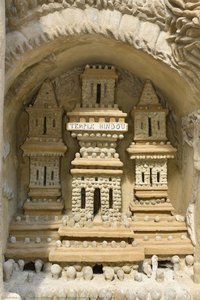
For thirty-three years, Ferdinand Cheval dedicated himself entirely to building Le Palais Idéal. He worked tirelessly after completing his postal duties, often laboring late into the night by the light of an oil lamp. The palace is a breathtaking fusion of architectural styles – Gothic, Art Nouveau, Byzantine, and even elements reminiscent of Hindu temples and ancient Egypt are woven together in a uniquely personal expression. It’s not built with grand plans or precise measurements, but rather through intuition and a relentless pursuit of his inner vision. The structure features intricate carvings, sculptures depicting animals and mythological creatures, grottoes, fountains, and a complex network of turrets and towers. The palace is adorned with inscriptions reflecting Cheval's philosophical musings and personal history.
A Testament to Naive Art & Enduring Influence
Le Palais Idéal stands as a prime example of *art brut* or naïve art architecture – creations born outside the established artistic conventions, driven by pure imagination and raw emotion. Cheval’s work defied categorization; it wasn't influenced by prevailing architectural trends but emerged directly from his subconscious. His palace captivated artists and intellectuals alike, particularly during the Surrealist movement of the 20th century. Figures like André Breton recognized in Cheval’s creation a powerful expression of the unconscious mind and a rejection of rational constraints. Today, Le Palais Idéal is preserved as a national monument in France, attracting visitors from around the globe who come to marvel at its singular beauty and the extraordinary story behind it.
Beyond the Palace: A Legacy of Inspiration
While Le Palais Idéal remains his most celebrated achievement, Ferdinand Cheval’s artistic endeavors extended beyond this monumental structure. He also created paintings, though less known, which echo the themes and mystical qualities present in his architectural masterpiece. His work serves as a potent reminder that creativity knows no boundaries and that extraordinary beauty can emerge from the most unexpected sources. Ferdinand Cheval wasn’t simply building a palace; he was constructing a world – a testament to the power of dreams, perseverance, and the enduring human spirit. His story continues to inspire artists, architects, and dreamers alike, proving that even a humble postman can leave an indelible mark on the landscape of art history.
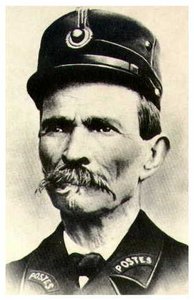
Ferdinand Cheval
1836 - 1924 , France
Quick Facts
- Artistic Movement Or Style: Naïve art architecture
- Artists Or Movements Influenced By This Artist:
- Surrealists
- Naïve art artists
- Date Of Birth: 1836
- Date Of Death: 1924
- Full Name: Ferdinand Cheval
- Nationality: French
- Notable Artworks:
- Le Palais idéal
- The Grotto of the Dream
- Place Of Birth: Charmes-sur-l'Herbasse, France

