

 Preview
 Send
Send Share
Share
 Details

 Download
 Similars
 X-Ray
X-Ray Diaporama
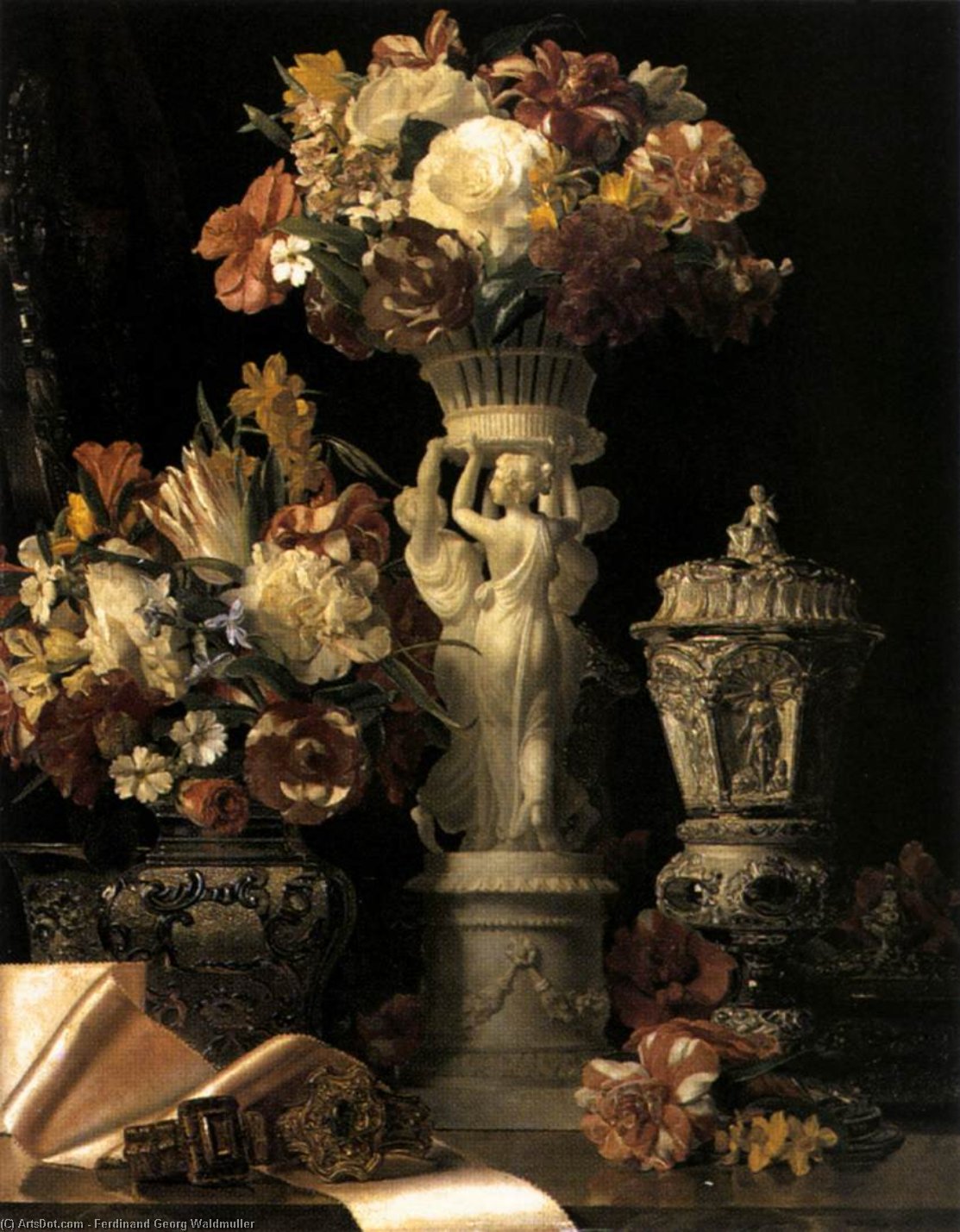
The Birthday Table
 Acrylic On Canvas
- WallArt
- Academic Realism
 1840
1840 63.0 x 50.0 cm
 Wallraf-Richartz-Museum
 Read More
Purchase a high-resolution, enhanced digital image, far superior to the online preview.
Each file is meticulously prepared by our in-house specialists using advanced tools and expert manual retouching. We ensure every image has exceptional clarity, precise color accuracy, and fine detail.
The final file is delivered via email within 72 hours, optimized for immediate use in professional, editorial, and print environments. This is the same quality trusted by top-tier design studios, publishers, and galleries.
Digital Image
Download a high-resolution file for personal display, printing, and creative projects. ( Buy Print Buy Hand Made Painting)
Included in Every Digital Image Order
Expert Digital Delivery, Guaranteed
When you choose ArtsDot.com, you're not just getting an image - you're receiving a professionally enhanced digital artwork, crafted with precision and backed by a satisfaction guarantee. Here's everything that comes with your order, automatically:

Fast Email Delivery
Your high-resolution digital image file will be emailed to you within 72 hours of ordering - ready for immediate use.

AI-Enhanced Digital File
Your artwork is professionally optimized using advanced AI tools and manual editing, ensuring maximum detail, clarity, and color accuracy.

Free Lifetime Re-Delivery
Accidentally deleted or lost your file? No worries - we'll resend it to you anytime, free of charge.

No Import Fees - Ever
Enjoy your artwork instantly with zero customs, duties, or delivery fees - digital downloads are always tax-free.

Color Accuracy Guarantee
We ensure your digital image reflects the original colors as closely as possible using professional tools and color management.

60-Day Satisfaction Guarantee
If you're not satisfied with your digital image, we'll revise it or refund 100% within 60 days - no questions asked.

100% Money-Back Guarantee
Not satisfied? Get a full refund within 60 days of receiving your digital file - no questions asked.

Bulk Order Discounts
Buy 3 images, save 10% - Buy 5, save 15% - Buy 10+, save 20%. Great for creative projects, galleries, and agencies.
Collectible Description
The Birthday Table – A Portrait of Quiet Reflection
Ferdinand Georg Waldmüller’s “The Birthday Table” stands as a quintessential example of Biedermeier art, capturing a moment of serene domesticity that speaks volumes about the artistic sensibilities of its era. Painted in 1840, this oil on oak masterpiece transcends mere representation; it delves into the subtle nuances of human emotion and embodies the values championed by Waldmüller’s generation – simplicity, sincerity, and an unwavering devotion to observing the natural world.- Subject Matter: The painting depicts a woman seated at a table adorned with vases overflowing with flowers. This deliberate choice of subject matter reflects Biedermeier's fascination with portraying everyday life—a reaction against the grand narratives and theatrical displays favored by earlier Romantic artists.
- Style: Waldmüller’s style is characterized by meticulous realism combined with an understated elegance. He eschewed flamboyant ornamentation, prioritizing clarity of form and tonal harmony to convey a sense of calm and tranquility. The composition is carefully balanced, guiding the viewer's eye across the canvas in a deliberate manner.
- Technique: Waldmüller employed a glazing technique—applying thin layers of translucent paint over underlying colors—to achieve remarkable luminosity and depth. This painstaking process allowed him to capture the delicate textures of fabric, flowers, and skin with astonishing accuracy. The artist’s masterful handling of light contributes significantly to the painting's emotional impact.
- Symbolism: Beyond its aesthetic qualities, “The Birthday Table” carries symbolic weight. The woman’s posture conveys composure and grace—a reflection of Biedermeier ideals of feminine virtue. The flowers represent hope and joy amidst adversity, mirroring the broader cultural preoccupation with finding solace in nature and domesticity during a time of social unrest.
- Emotional Impact: Waldmüller skillfully evokes a feeling of intimacy and tranquility. The muted palette—dominated by earthy tones—creates an atmosphere of understated warmth. The woman’s gaze directs the viewer inward, prompting reflection on themes of solitude, contemplation, and inner harmony.
Additional Information
This artwork is housed at Wallraf–Richartz Museum, acquired in 1937 from S. Kende.
Waldmüller’s artistic influence extended beyond portraiture; he was also a prolific landscape painter and genre artist, demonstrating a remarkable versatility that cemented his place as one of Austria's most celebrated painters.
References
Related Artworks
Artist Biography
Early Life and Artistic Beginnings
Ferdinand Georg Waldmüller entered the world in Vienna, Austria, on January 15, 1793, a period of significant societal shifts and artistic ferment. His early life was unfortunately marked by hardship; the untimely death of his father cast a shadow over the family’s fortunes, instilling in young Ferdinand an early awareness of life's precariousness—a theme that would later resonate deeply within his art. Despite these challenges, Waldmüller demonstrated a clear aptitude for drawing and painting, leading him to enroll at the Academy of Fine Arts Vienna in 1807. However, his attendance proved somewhat erratic, reflecting perhaps a restless spirit or a dissatisfaction with the rigid academic constraints of the time. Initially, he gravitated towards portraiture, a reliable path for an aspiring artist seeking patronage, but it was the allure of landscapes and genre scenes—depictions of everyday life—that truly captured his imagination and would ultimately define his artistic legacy. These early explorations laid the groundwork for a style characterized by meticulous observation and a profound connection to the natural world.A Career Forged in Realism and Controversy
Waldmüller’s career unfolded as a dynamic interplay between artistic innovation and institutional resistance. He supplemented his income during his formative years by working as a set designer and continuing to paint portraits, often while touring with his wife, the singer Katharina Weidner. This itinerant lifestyle exposed him to diverse environments and broadened his artistic horizons. By the 1820s, Waldmüller had begun to develop a distinctive style—a commitment to realistic depictions of everyday life, particularly in rural settings. He wasn’t interested in idealizing or romanticizing; instead, he sought to capture the world as it truly was, with all its beauty and imperfections. This dedication to realism brought him both acclaim and criticism. In 1819, he secured a professorship at the Academy of Fine Arts Vienna, but his tenure was fraught with conflict. Waldmüller passionately advocated for direct observation from nature—plein air painting—and openly criticized the academy’s emphasis on formulaic instruction and adherence to established conventions. His outspokenness led to repeated clashes with the artistic establishment and ultimately contributed to his forced retirement in 1857. Frequent journeys to Italy, beginning in 1825, and the idyllic Salzkammergut region profoundly influenced his landscape painting, refining his ability to capture light, texture, and atmosphere with remarkable precision.Themes of Rural Life and Social Commentary
Waldmüller’s artistic output is remarkably diverse, encompassing portraits, landscapes, and genre scenes, but a common thread unites these varied subjects: a deep engagement with the realities of 19th-century Austrian life. Works like Venetian Fruit Seller (1826), an early example of his genre painting style, demonstrate his skill in capturing fleeting moments of everyday existence. His self-portrait from 1828 reveals a keen understanding of human psychology and the nuances of character. Louise Mayer (1836) stands as a testament to his mastery of portraiture, while View of Ischl (1838) showcases his evolving landscape abilities. However, it was paintings like On All Souls' Day (1839), The Love Letter (1849), and Bathing Women (c. 1848–1849) that truly distinguished him. These works weren’t merely picturesque depictions of rural life; they were imbued with a socially critical perspective, subtly exposing the hardships faced by ordinary people—the impact of poverty, misfortune, and the complexities of family dynamics. He didn't shy away from portraying the less glamorous aspects of existence, offering a more honest and nuanced representation of society than was typically seen in academic art.Legacy and Historical Significance
Ferdinand Georg Waldmüller is rightfully regarded as one of the most important Austrian painters of the Biedermeier period. His unwavering commitment to natural observation and plein air painting anticipated many of the artistic innovations that would characterize Impressionism decades later. He challenged conventional depictions of rural life, injecting a dose of realism and social commentary into a genre often dominated by idealized imagery. Despite facing criticism and setbacks throughout his career—including forced retirement from the Academy—Waldmüller’s work eventually gained international recognition, culminating in exhibitions at the World Exhibition in Paris (1855) and Buckingham Palace (1856), where he received accolades from Emperor Napoleon III and Queen Victoria respectively. He was knighted shortly before his death on August 23, 1865, in Hinterbrühl, a belated acknowledgment of his artistic contributions. Waldmüller’s legacy extends beyond his individual paintings; he influenced generations of artists with his detailed realism, his focus on everyday subjects, and his courageous willingness to challenge the status quo. He remains a pivotal figure in Austrian art history—a true pioneer who paved the way for new approaches to landscape and genre painting.
Ferdinand Georg Waldmüller
1793 - 1865 , Austria
Quick Facts
- Artistic Movement Or Style: Biedermeier, Realism
- Artists Or Movements Influenced By This Artist: Impressionism
- Date Of Birth: January 15, 1793
- Date Of Death: August 23, 1865
- Full Name: Ferdinand Georg Waldmüller
- Nationality: Austrian
- Notable Artworks:
- Venetian Fruit Seller
- Self-Portrait
- Louise Mayer
- View of Ischl
- On All Souls' Day
- The Love Letter
- Bathing Women
- Place Of Birth: Vienna, Austria


