

 Preview
 Send
Send Share
Share
 Details

 Download
 Similars
 X-Ray
X-Ray Diaporama
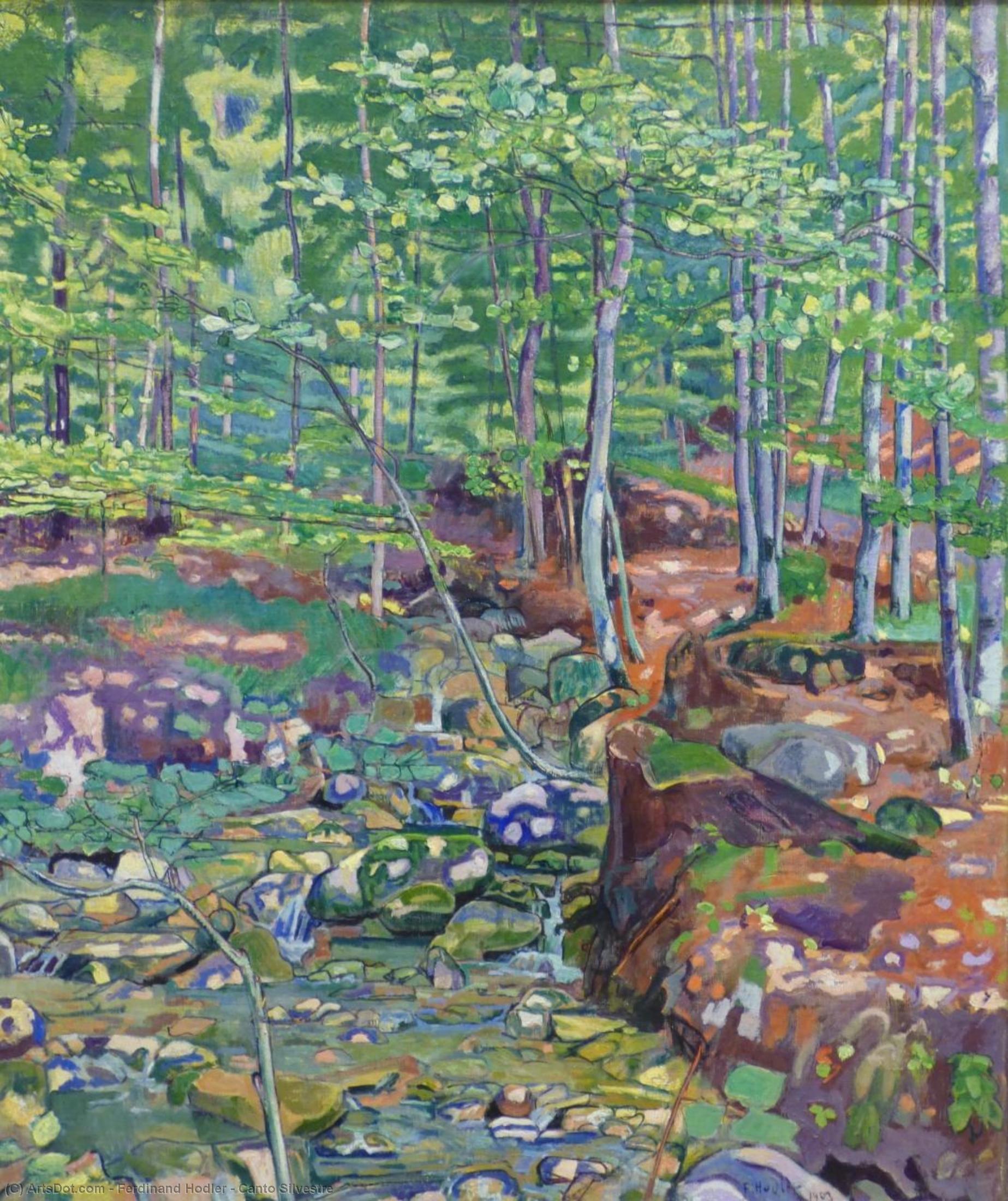
Canto Silvestre


 Read More
Purchase a high-resolution, enhanced digital image, far superior to the online preview.
Each file is meticulously prepared by our in-house specialists using advanced tools and expert manual retouching. We ensure every image has exceptional clarity, precise color accuracy, and fine detail.
The final file is delivered via email within 72 hours, optimized for immediate use in professional, editorial, and print environments. This is the same quality trusted by top-tier design studios, publishers, and galleries.
Digital Image
Download a high-resolution file for personal display, printing, and creative projects. ( Buy Print Buy Hand Made Painting)
Included in Every Digital Image Order
Expert Digital Delivery, Guaranteed
When you choose ArtsDot.com, you're not just getting an image - you're receiving a professionally enhanced digital artwork, crafted with precision and backed by a satisfaction guarantee. Here's everything that comes with your order, automatically:

Fast Email Delivery
Your high-resolution digital image file will be emailed to you within 72 hours of ordering - ready for immediate use.

AI-Enhanced Digital File
Your artwork is professionally optimized using advanced AI tools and manual editing, ensuring maximum detail, clarity, and color accuracy.

Free Lifetime Re-Delivery
Accidentally deleted or lost your file? No worries - we'll resend it to you anytime, free of charge.

No Import Fees - Ever
Enjoy your artwork instantly with zero customs, duties, or delivery fees - digital downloads are always tax-free.

Color Accuracy Guarantee
We ensure your digital image reflects the original colors as closely as possible using professional tools and color management.

60-Day Satisfaction Guarantee
If you're not satisfied with your digital image, we'll revise it or refund 100% within 60 days - no questions asked.

100% Money-Back Guarantee
Not satisfied? Get a full refund within 60 days of receiving your digital file - no questions asked.

Bulk Order Discounts
Buy 3 images, save 10% - Buy 5, save 15% - Buy 10+, save 20%. Great for creative projects, galleries, and agencies.
Collectible Description
Canto Silvestre: A Symphony of Color and Symbolism by Ferdinand Hodler
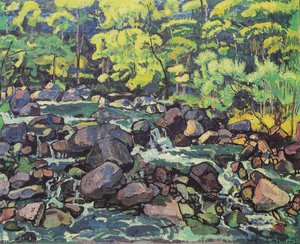
Ferdinand Hodler’s 1903 masterpiece, “Canto Silvestre,” is more than just a depiction of a forest; it's an immersion into a world steeped in symbolism and the evocative beauty of Art Nouveau. Painted during a period of profound artistic experimentation, this oil on canvas transports the viewer to a serene Swiss woodland, rendered with a masterful command of color and form that speaks directly to the soul. The painting’s composition immediately draws the eye to the central grouping of trees – not as mere botanical subjects, but as embodiments of quiet contemplation and the acceptance of life's transient nature. Hodler’s deliberate use of yellows, reds, greens, and blues doesn’t simply represent a forest; it evokes a feeling, a mood of profound peace and introspection.
Art Nouveau and the Language of Nature
Hodler was a pivotal figure in the Art Nouveau movement, a style characterized by its organic forms, flowing lines, and emphasis on natural beauty. “Canto Silvestre” exemplifies these tenets perfectly. The trees themselves are rendered with an almost dreamlike quality, their branches twisting and reaching upwards as if yearning for something beyond the earthly realm. This reflects the broader Symbolist preoccupation with exploring deeper meanings and emotions through artistic representation. Hodler’s approach moved beyond simple realism, seeking to capture not just what he saw, but what he *felt* about what he saw – a profound connection to the natural world and its inherent mysteries.
Technique and Color Palette: A Harmonious Blend
The painting’s remarkable effect is achieved through Hodler's meticulous technique. He employed loose, expressive brushstrokes that contribute to the overall sense of movement and atmosphere. The color palette is deliberately rich and luminous, creating a vibrant yet harmonious visual experience. Notice how the colors bleed into one another, softening the edges of the forms and contributing to the painting’s ethereal quality. This careful manipulation of color wasn't merely decorative; it was integral to conveying the emotional core of the work – tranquility, serenity, and perhaps even a touch of melancholy.
Symbolic Resonance: Mortality and Beauty
Given Hodler’s personal history marked by early loss, “Canto Silvestre” is often interpreted as a meditation on mortality. The forest itself can be seen as a metaphor for the human condition – beautiful yet ultimately transient. The scattered rocks within the scene might represent the obstacles and challenges we encounter in life, while the gentle stream symbolizes the flow of time. The painting’s enduring appeal lies not just in its aesthetic beauty but also in its profound emotional depth.
Related Works
- Claude Monet's Fontainebleau Forest
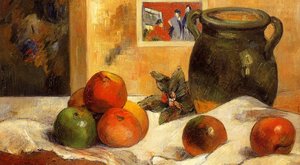
- Paul Gauguin's Sunken Path, Wooded Rise
- Yasui Sōtarō’s 奥入瀬の渓流
Related Artworks
Artist Biography
A Life Etched in Symbolism: The World of Ferdinand Hodler
Ferdinand Hodler, a name intrinsically linked to the landscape of Swiss painting and the potent language of symbolism, rose from modest beginnings to become one of the most significant artists of the late 19th and early 20th centuries. Born in Bern, Switzerland, in 1853, his life was profoundly shaped by early loss – a recurring theme that would permeate his artistic vision. The untimely deaths of his father and two younger brothers before he reached adolescence cast a long shadow, instilling within him a deep contemplation of mortality and the fleeting nature of existence. These experiences, interwoven with an acute sensitivity to the beauty and power of the natural world, became central tenets of his evolving oeuvre. Initially apprenticed to decorative painters, Hodler’s innate talent quickly transcended mere craftsmanship; he yearned for formal training and artistic exploration beyond the constraints of commercial work. This ambition led him to Geneva in 1871, where he immersed himself in study, attending science lectures alongside diligently copying masterpieces at the city's museum – a rigorous education that laid the foundation for his future innovations.From Realism to ‘Parallelism’: Forging a Unique Vision
Hodler’s artistic journey was characterized by constant evolution and a relentless pursuit of expressive power. His early works reflected the prevailing realist style of the time – portraits, landscapes, and genre scenes executed with meticulous detail. However, he soon found himself constrained by these conventions, seeking a means to convey deeper emotional truths and philosophical ideas. This quest led him towards Symbolism, a movement that rejected naturalistic representation in favor of subjective experience and evocative imagery. Yet Hodler didn’t simply adopt the tenets of Symbolism; instead, he forged his own unique path, developing what he termed “parallelism.” This distinctive style involved arranging figures and forms in rhythmic, almost geometric patterns, creating a sense of both harmony and tension – a visual representation of interconnectedness. It was an attempt to depict not just *what* he saw, but *how* he felt – the underlying emotional currents that connected all things. The Night, completed in 1890, proved to be a pivotal work, marking his definitive turn towards symbolist imagery and sparking considerable controversy with its depiction of recumbent figures suggestive of death and repose. Despite initial criticism, the painting garnered attention in Paris, establishing Hodler’s reputation beyond Switzerland's borders and signaling the arrival of a truly original voice.Landmarks in Paint: Key Works and Their Significance
Throughout his prolific career, Hodler produced a remarkable body of work that continues to resonate with audiences today. The Day, completed in 1893, stands as one of his most ambitious and celebrated achievements – a monumental historical painting showcasing his mastery of composition and symbolism. Housed at the Kunsthaus Zürich, this artwork is a powerful meditation on life, death, and renewal, rendered with an arresting blend of realism and visionary intensity. The sheer scale and emotional weight of The Day cemented Hodler’s position as a leading figure in European art. Other notable works include numerous depictions of the Swiss Alps, imbued with a sense of awe-inspiring grandeur, and portraits that reveal his profound understanding of human psychology. He frequently revisited themes of loss and mourning, perhaps reflecting his own childhood traumas, but always infused them with a sense of dignity and resilience. His paintings weren’t merely representations; they were emotional landscapes, inviting viewers to contemplate the fundamental questions of existence. Works like Truth II (1897) demonstrate Hodler's ability to blend classical forms with modern sensibilities, creating images that are both timeless and strikingly contemporary – a testament to his innovative spirit.A Lasting Legacy: Influence and Historical Context
Ferdinand Hodler’s influence extended far beyond the borders of Switzerland. His innovative use of symbolism and his development of “parallelism” paved the way for Expressionism, with its emphasis on subjective emotion and distorted forms. Artists who followed in his footsteps recognized him as a precursor to their own explorations of inner experience. Hodler's work also resonated with broader cultural currents of the late 19th and early 20th centuries – a period marked by rapid social change, scientific advancements, and a growing sense of existential anxiety. His paintings offered a visual language for grappling with these complex issues, providing solace and insight in an increasingly uncertain world. Today, Hodler’s works are held in major museums across Europe and beyond, ensuring that his artistic vision continues to inspire and challenge generations of viewers. He remains a towering figure in Swiss art history, celebrated not only for his technical skill but also for his profound emotional depth and unwavering commitment to exploring the mysteries of the human condition.Exploring Hodler Further
- For an in-depth look at his life and work: Wikipedia - Ferdinand Hodler
- Discover more of his paintings at: ArtsDot - Ferdinand Hodler Collection
- View *The Day* (1893) here: ArtsDot - The Day
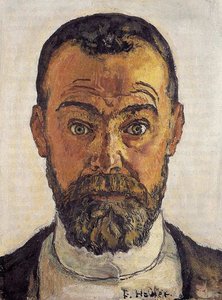
Ferdinand Hodler
1853 - 1918 , Switzerland
Quick Facts
- Artistic Movement Or Style: Symbolism, Parallelism
- Artists Or Movements Influenced By This Artist: ['Expressionism']
- Date Of Birth: 1853
- Date Of Death: 1918
- Full Name: Ferdinand Hodler
- Nationality: Swiss
- Notable Artworks:
- The Night
- The Day
- Truth II
- Place Of Birth: Bern, Switzerland

