

 Preview
 Send
Send Share
Share
 Details

 Download
 Similars
 X-Ray
X-Ray Diaporama
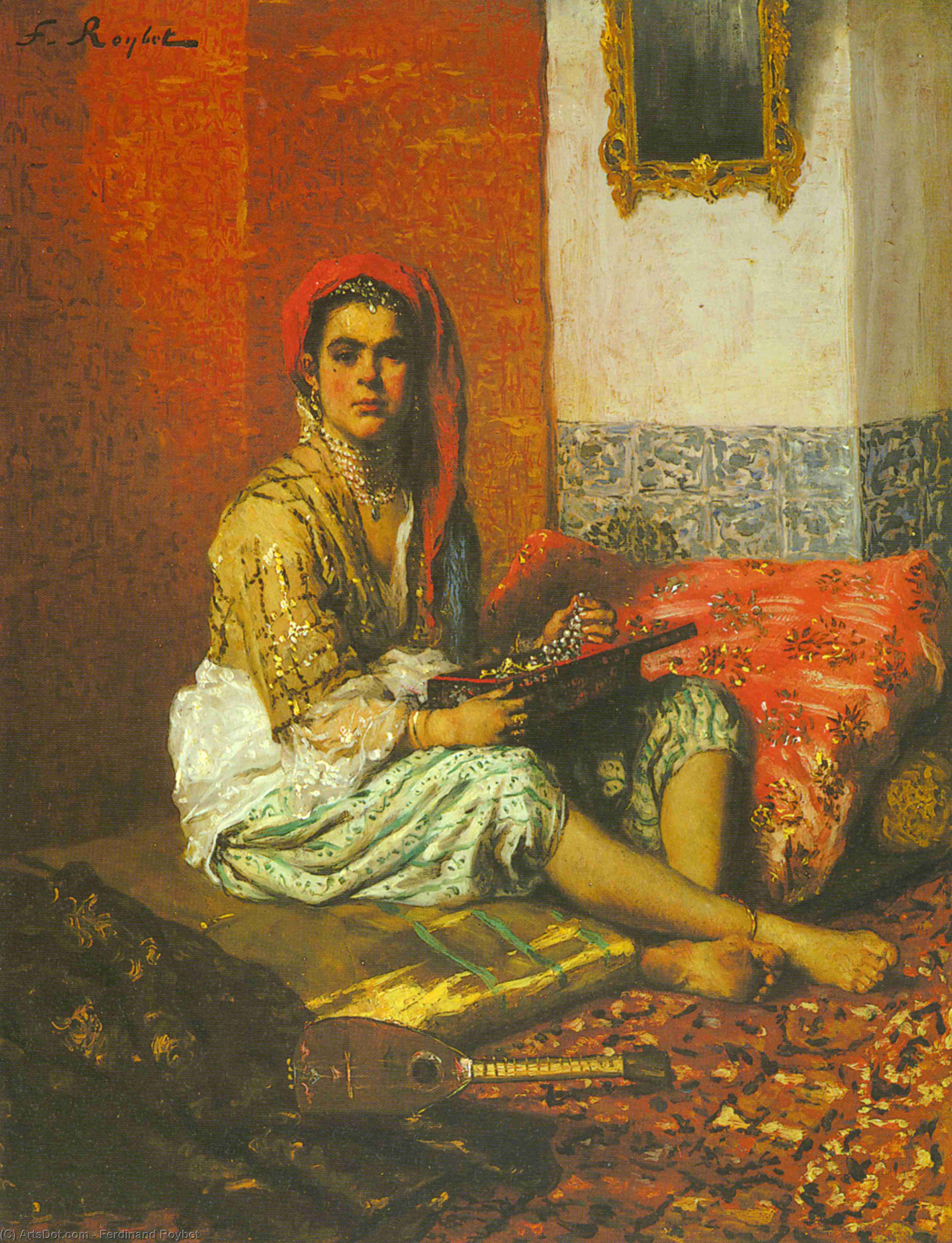
Odalisque
 Read More
Purchase a high-resolution, enhanced digital image, far superior to the online preview.
Each file is meticulously prepared by our in-house specialists using advanced tools and expert manual retouching. We ensure every image has exceptional clarity, precise color accuracy, and fine detail.
The final file is delivered via email within 72 hours, optimized for immediate use in professional, editorial, and print environments. This is the same quality trusted by top-tier design studios, publishers, and galleries.
Digital Image
Download a high-resolution file for personal display, printing, and creative projects. ( Buy Print Buy Hand Made Painting)
Included in Every Digital Image Order
Expert Digital Delivery, Guaranteed
When you choose ArtsDot.com, you're not just getting an image - you're receiving a professionally enhanced digital artwork, crafted with precision and backed by a satisfaction guarantee. Here's everything that comes with your order, automatically:

Fast Email Delivery
Your high-resolution digital image file will be emailed to you within 72 hours of ordering - ready for immediate use.

AI-Enhanced Digital File
Your artwork is professionally optimized using advanced AI tools and manual editing, ensuring maximum detail, clarity, and color accuracy.

Free Lifetime Re-Delivery
Accidentally deleted or lost your file? No worries - we'll resend it to you anytime, free of charge.

No Import Fees - Ever
Enjoy your artwork instantly with zero customs, duties, or delivery fees - digital downloads are always tax-free.

Color Accuracy Guarantee
We ensure your digital image reflects the original colors as closely as possible using professional tools and color management.

60-Day Satisfaction Guarantee
If you're not satisfied with your digital image, we'll revise it or refund 100% within 60 days - no questions asked.

100% Money-Back Guarantee
Not satisfied? Get a full refund within 60 days of receiving your digital file - no questions asked.

Bulk Order Discounts
Buy 3 images, save 10% - Buy 5, save 15% - Buy 10+, save 20%. Great for creative projects, galleries, and agencies.
Related Artworks
Artist Biography
Claude Monet: A Revolutionary of Light and Color
Born Oscar-Claude Monet in Paris on November 14, 1840, Claude Monet’s journey to becoming one of the most influential figures in art history was a testament to his unwavering dedication to capturing the ephemeral beauty of the natural world. His early life, marked by the loss of his mother at the age of sixteen and subsequent upbringing under the watchful eye of his aunt, provided him with a grounding in observation – a crucial element that would later define his artistic approach. Unlike many artists of his time who focused on grand historical or mythological subjects, Monet’s initial interests lay in landscapes and seascapes, nurtured by early encounters with Eugène Boudin, a Normandy-based painter who championed the practice of “plein air” painting – working outdoors directly from nature.
Monet's formal artistic training began at the Académie Suisse, where he studied alongside Auguste Renoir and other aspiring artists. However, it was his time in Charles Gleyre’s studio that proved pivotal, exposing him to a diverse group of painters including Frédéric Bazille and ultimately shaping his nascent style. The influence of Edouard Manet during this period is also notable; Manet's looser brushwork and focus on contemporary subjects provided a crucial counterpoint to the more academic traditions prevalent at the time. It was through these formative experiences that Monet began to develop his signature technique – one characterized by broken color, rapid brushstrokes, and an emphasis on capturing the fleeting effects of light and atmosphere.
The Rise of Impressionism
The 1870s witnessed a dramatic shift in the Parisian art world, culminating in the formation of the Impressionist movement. Monet played a central role in this revolution, alongside artists like Renoir, Pissarro, Sisley, and Degas. The first Impressionist exhibition of 1874, famously titled “Impression, Sunrise,” provided the name for the group and its artistic philosophy. This painting, depicting the harbor at Le Havre, wasn’t intended to be a meticulously detailed representation but rather an immediate impression of the scene – capturing the shimmering light on the water and the hazy atmosphere with loose, visible brushstrokes.
Unlike the Salon, the official art exhibition of the Académie des Beaux-Arts, which often rejected innovative works, the Impressionists organized their own independent exhibitions. These events provided a platform for artists to showcase their unconventional approaches, challenging established artistic conventions and paving the way for modern art. Monet’s commitment to capturing the subjective experience of seeing – rather than simply reproducing an objective reality – became the defining characteristic of his work during this period.
Monet's Obsessions: Series and Light
Throughout his prolific career, Monet developed a systematic approach to painting, often focusing on single subjects rendered in multiple variations over time. These “series”—including haystacks, Rouen Cathedral, water lilies, and Japanese bridges—allowed him to meticulously document the changing effects of light and weather on a particular scene. The series of Rouen Cathedral, for example, demonstrates his fascination with how light transforms the appearance of a building throughout the day and across different seasons. He would paint the same subject repeatedly, not necessarily striving for identical results, but rather exploring the subtle nuances of color and atmosphere.
His most enduring legacy is undoubtedly his series of water lilies at Giverny, where he created a stunning garden featuring a large pond filled with these magnificent blooms. Monet spent decades meticulously documenting this aquatic world, creating over 250 paintings of the water lilies – a testament to his lifelong pursuit of capturing the beauty and tranquility of nature. The gardens themselves became an open-air studio, providing him with endless inspiration.
A Lasting Impact
Claude Monet’s influence on subsequent generations of artists is immeasurable. His pioneering use of color, light, and brushstroke techniques fundamentally altered the course of painting, paving the way for movements such as Post-Impressionism and Fauvism. His emphasis on capturing subjective experience and the fleeting nature of perception challenged traditional notions of representation and opened up new possibilities for artistic expression.
Monet died in Giverny on December 5, 1926, leaving behind a vast body of work that continues to captivate audiences worldwide. His paintings are celebrated not only for their aesthetic beauty but also for their profound insights into the nature of light, color, and the human experience. He remains an icon of artistic innovation and a testament to the power of observation and dedication.
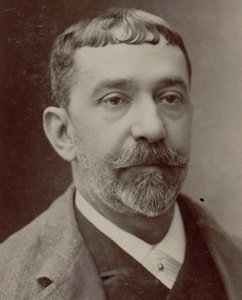
ferdinand victor léon roybet
1840 - 1920
Quick Facts
- Artistic Movement Or Style: Impressionism
- Artists Or Movements Influenced By This Artist:
- Pierre-Auguste Renoir
- Post-Impressionism
- Artists Who Influenced This Artist:
- Eugène Boudin
- Charles Gleyre
- Date Of Birth: 14 November 1840
- Date Of Death: 5 December 1926
- Full Name: Claude Monet
- Nationality: French
- Notable Artworks:
- Impression, Sunrise
- Water Lilies series
- Rouen Cathedral series
- Place Of Birth: Paris, France

