

 Preview
 Send
Send Share
Share
 Details

 Download
 Similars
 X-Ray
X-Ray Diaporama
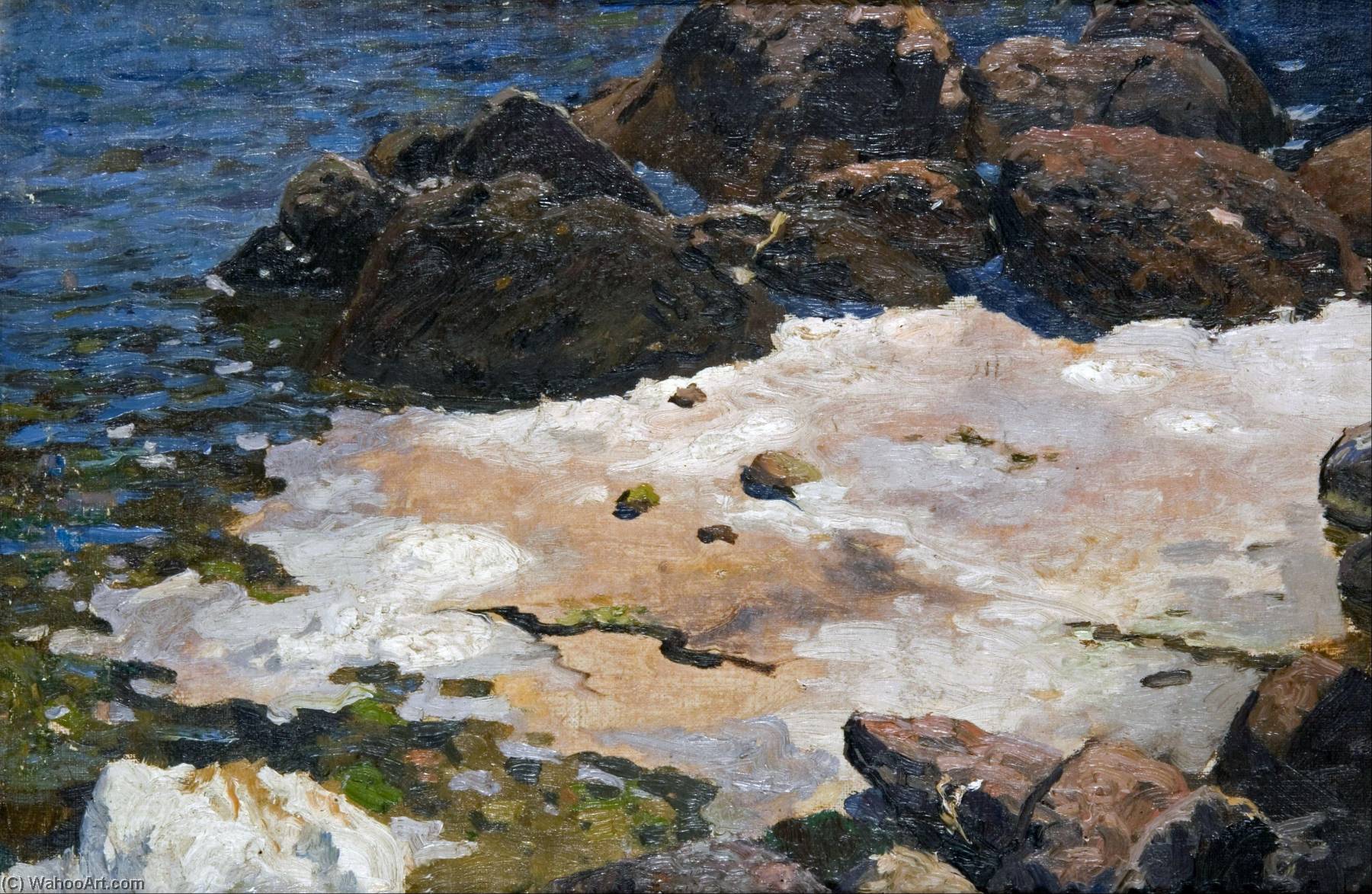
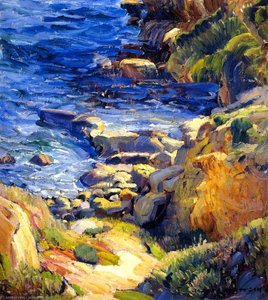
Krym brzeg morza
 1895
1895 28.0 x 42.0 cm
 Read More
Purchase a high-resolution, enhanced digital image, far superior to the online preview.
Each file is meticulously prepared by our in-house specialists using advanced tools and expert manual retouching. We ensure every image has exceptional clarity, precise color accuracy, and fine detail.
The final file is delivered via email within 72 hours, optimized for immediate use in professional, editorial, and print environments. This is the same quality trusted by top-tier design studios, publishers, and galleries.
Digital Image
Download a high-resolution file for personal display, printing, and creative projects. ( Buy Print Buy Hand Made Painting)
Included in Every Digital Image Order
Expert Digital Delivery, Guaranteed
When you choose ArtsDot.com, you're not just getting an image - you're receiving a professionally enhanced digital artwork, crafted with precision and backed by a satisfaction guarantee. Here's everything that comes with your order, automatically:

Fast Email Delivery
Your high-resolution digital image file will be emailed to you within 72 hours of ordering - ready for immediate use.

AI-Enhanced Digital File
Your artwork is professionally optimized using advanced AI tools and manual editing, ensuring maximum detail, clarity, and color accuracy.

Free Lifetime Re-Delivery
Accidentally deleted or lost your file? No worries - we'll resend it to you anytime, free of charge.

No Import Fees - Ever
Enjoy your artwork instantly with zero customs, duties, or delivery fees - digital downloads are always tax-free.

Color Accuracy Guarantee
We ensure your digital image reflects the original colors as closely as possible using professional tools and color management.

60-Day Satisfaction Guarantee
If you're not satisfied with your digital image, we'll revise it or refund 100% within 60 days - no questions asked.

100% Money-Back Guarantee
Not satisfied? Get a full refund within 60 days of receiving your digital file - no questions asked.

Bulk Order Discounts
Buy 3 images, save 10% - Buy 5, save 15% - Buy 10+, save 20%. Great for creative projects, galleries, and agencies.
Related Artworks






Artist Biography
Early Life and Artistic Foundations
Ferdynand Ruszczyc’s story begins in Bohdanów, a village nestled within the Belarusian landscape – a place that would profoundly shape his artistic vision. Born in 1870 into an aristocratic family of the Lis clan, he was steeped in a tradition of both noble heritage and deep connection to the land. His childhood, however, was marked by displacement; the Russian Revolution forced his family’s relocation to Minsk, and later to Libau, setting the stage for a life punctuated by movement and adaptation. Despite these shifts, Ruszczyc's upbringing instilled in him a profound appreciation for nature – a sentiment that would become central to his artistic output.
Initially destined for a legal career, following in the footsteps of his father, Ferdynand’s path dramatically altered when he discovered the transformative power of art. He enrolled at the University of St. Petersburg, but swiftly abandoned law studies to pursue painting at the Imperial Academy of Arts. This decision proved pivotal, placing him under the tutelage of two giants of Russian landscape painting: Ivan Shishkin and Arkhip Kuindzhi. These masters imparted not only technical skills but also a deep understanding of capturing light, atmosphere, and the essence of the natural world – lessons that would inform his distinctive style.
Travels and Influences in Western Europe
Following his graduation, Ruszczyc embarked on extensive journeys throughout Western Europe, a period of intense artistic exploration. He spent considerable time in Crimea, meticulously studying the dramatic interplay of light and shadow upon the Black Sea coast, capturing the rugged beauty of its cliffs and seascapes. Later, he ventured to the Baltic islands and Sweden, immersing himself in the cool, ethereal landscapes of Northern Europe. These travels weren’t merely scenic excursions; they were deliberate acts of artistic assimilation, exposing him to a diverse range of styles and techniques.
Crucially, Ruszczyc found himself deeply influenced by the Symbolist movement, particularly the evocative works of Arnold Böcklin. The Symbolists sought to express inner emotions and spiritual truths through art, often employing dreamlike imagery and symbolic forms. This influence is evident in his later paintings, where a sense of melancholy, mystery, and psychological depth emerges alongside his traditional landscape approach.
The Warsaw School and Artistic Legacy
Upon returning to Poland, Ruszczyc played a significant role in the formation of the Warsaw School of Fine Arts – a movement that sought to establish a distinctly Polish identity within the broader European art scene. Alongside figures like Kazimierz Stabrowski, Xawery Dunikowski, Konrad Krzyżanowski, and Karol Tichy, he fostered an environment of experimentation and collaboration, pushing the boundaries of traditional landscape painting.
In 1907-1908, Ruszczyc held the prestigious chair of landscape painting at the Kraków Academy of Fine Arts, further solidifying his position as a leading artistic voice. He organized an exhibition showcasing Polish art in Vienna in 1908, bringing attention to the talents of contemporary Polish artists and fostering a sense of national pride. He later settled in Vilna (Vilnius), dedicating himself to teaching and cultivating the next generation of painters.
Key Works and Artistic Style
Ruszczyc’s paintings are characterized by a masterful command of light, color, and composition. His landscapes—often depicting scenes from the Polish countryside—are imbued with a profound sense of atmosphere and emotion. Works like “Old Apple Trees” ( *Nec mergitur* – "It will not sink") capture the quiet dignity of aging trees against a dramatic sky, while “Forest Brook” evokes the serenity of a woodland stream. His winter landscapes, such as “Old Houses” and “Oil,” are particularly notable for their evocative use of color and texture, conveying both beauty and melancholy.
His paintings frequently incorporate elements of Symbolism, employing subtle symbolic imagery to convey deeper meanings. “The Soil” exemplifies this approach, depicting a vast, desolate landscape that speaks to themes of resilience, solitude, and the relationship between humanity and nature. Ruszczyc’s work is not merely representational; it's an exploration of the emotional and spiritual dimensions of the natural world.
Historical Significance
Ferdynand Ruszczyc stands as a pivotal figure in Polish art history, representing a bridge between traditional landscape painting and modern Symbolism. His influence extended beyond his own artistic output, shaping the development of the Warsaw School and inspiring generations of artists. His commitment to preserving the cultural heritage of Poland is also evident in his involvement with the Adam Mickiewicz Monument Committee. Ruszczyc’s legacy endures through his evocative paintings, which continue to captivate viewers with their beauty, depth, and profound connection to the Polish landscape.
ferdynand ruszczyc
1870 - 1936
Quick Facts
- Artistic Movement Or Style: Warsaw School, Symbolism
- Artists Or Movements Influenced By This Artist: ['Arnold Bocklin']
- Artists Who Influenced This Artist:
- Ivan Shishkin
- Arkhip Kuindzhi
- Date Of Birth: 1870-12-10
- Date Of Death: 1936-05-24
- Full Name: Ferdynand Ruszczyc
- Nationality: Polish
- Notable Artworks:
- Nec Mergitur
- The Soil
- Sunny Landscape
- Place Of Birth: Bohdanów, Belarus

