 Preview
 Send
Send Share
Share
 Details

 Download
 Similars
 X-Ray
X-Ray Diaporama
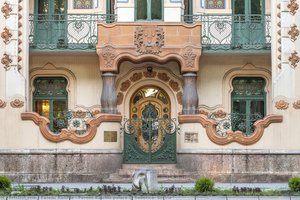
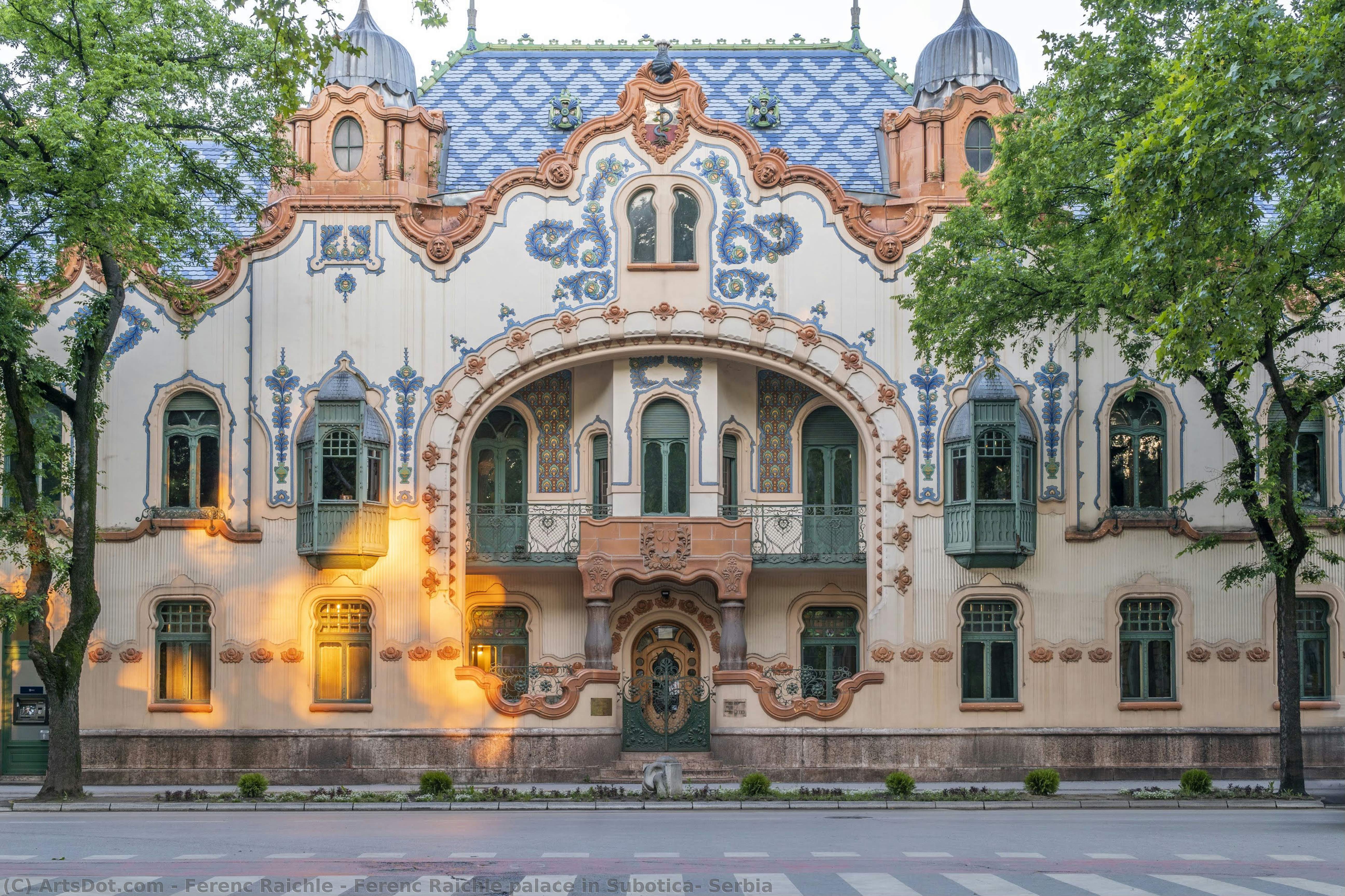
Ferenc Raichle palace in Subotica, Serbia

 Read More
Giclée / Art Print
Museum-quality giclée or canvas print with fast production and flexible finish options. ( Buy Hand Made Painting Buy Image)




































Pick from our preset sizes that match the artwork's original proportions.

You may enter your own dimensions to fit a specific frame or space. If your selected size does not match the original image's proportions, we will either crop the artwork or extend the image with a mirrored or solid-fill edge. A digital mockup will be sent for your approval before production begins.
Please note that the on-screen preview does not reflect the actual cropping or extension. Only the mockup will accurately show the final composition.
While custom sizes are available, we recommend selecting a dimension from the predefined list to preserve the original proportions.
Worldwide Delivery () in 2 weeks instead of standard 4/5 weeks. (4 September)

Free Worldwide Express Shipping

High-Quality Linen Canvas

Full Shipping Insurance

Customs Tax Refund Guarantee

True Color Matching Guarantee

60-Day Return Policy (Defects Only)

100% Money-Back Guarantee

Bulk Discount Offer
 Glass option is only available in size under 110 CM

Ferenc Raichle palace in Subotica, Serbia
Giclée / Art Print
Reproduction Size
-


Total Price
$ 63
Related Artworks









Artist Biography
Ferenc Raichle: Architect of Dreams in Subotica
Ferenc Raichle (1873-1935), a Hungarian architect born in Subotica, Serbia, was more than simply a builder; he was a visionary who infused his creations with the vibrant spirit of the Art Nouveau movement. His legacy is inextricably linked to the stunning Palace in Subotica, a building that stands as a testament to his unique style and a pivotal landmark in Serbian architectural history. Raichle’s life unfolded amidst the shifting political landscape of the Austro-Hungarian Empire, shaping his artistic sensibilities and ultimately leading him to become a significant figure in promoting the careers of numerous talented artists within his circle, including Ármin Klein and Sándor Apáti Abta. Early life details remain somewhat obscured, but it's understood he received his architectural training primarily in Hungary or Austria, immersing himself in the burgeoning trends of Art Nouveau design – a style characterized by its organic forms, intricate ornamentation, and celebration of nature.The Eclectic Style of a Serbian Master
Raichle’s architectural style was a captivating blend of influences, drawing upon both Hungarian and Austrian traditions while forging his own distinctive voice. His buildings were rarely straightforward; instead, they presented an eclectic tapestry of elements – ornate stone carvings, stained glass windows depicting fantastical scenes, and meticulously crafted details that demanded close inspection. The Palace in Subotica is undoubtedly the pinnacle of this style, a breathtaking example of Art Nouveau’s exuberance. However, his influence extended beyond this single masterpiece. He was known for incorporating local materials and motifs into his designs, creating buildings that felt both grand and intimately connected to their surroundings. Notably, he skillfully integrated Murano glass mosaics – a testament to the international artistic currents of the time – adding splashes of vibrant color and shimmering beauty to his facades. The heart motif, a recurring symbol in Art Nouveau, appears throughout his work, subtly woven into the design of balconies, doorways, and decorative elements, creating a sense of organic unity.A Circle of Creativity: Raichle’s Patronage
Raichle's influence extended beyond his own architectural practice; he played a crucial role as a patron and mentor to several prominent artists. He fostered the careers of Ármin Klein and his daughters, Terez and Julia, providing them with opportunities to showcase their talents within his buildings. Similarly, he supported Sándor Apáti Abta, a renowned painter, creating a collaborative environment where artistic ideas could flourish. This network of creative individuals contributed significantly to the cultural vibrancy of Subotica during Raichle’s time, solidifying his position as a key figure in the city's artistic community. His willingness to champion emerging artists speaks volumes about his belief in the power of collaboration and the importance of nurturing talent.The Palace in Subotica: A Symbol of Artistic Ambition
The Ferenc Raichle Palace in Subotica is, without exaggeration, the architect’s magnum opus. Construction began in 1903, reflecting Raichle's ambition to create a residence that was both a personal sanctuary and a statement of artistic intent. The building’s design deliberately challenged conventional architectural norms, incorporating elements like the heart motif – a symbol of love and life – throughout its structure. The exterior is adorned with Zsolnay ceramics, sourced from Pécs, Hungary, adding layers of intricate detail and color to the facade. Inside, the palace boasts lavish interiors featuring Murano glass mosaics, intricately carved wood paneling, and stunning stained-glass windows that flood the rooms with colored light. The tower rising above the building is a striking feature, originally equipped with elaborate lighting effects for nighttime celebrations.Legacy and Recognition
Ferenc Raichle’s work continues to be celebrated in Subotica and beyond. The Palace remains a cherished landmark, housing the Gallery of Contemporary Art and offering visitors a glimpse into the architect's remarkable vision. His legacy is also preserved within the Móra Ferenc Museum in Szeged and the Szépművészeti Museum in Budapest, where his designs are studied and admired. The Palace itself was meticulously restored in the early 21st century, ensuring that its beauty and historical significance would be enjoyed for generations to come. Raichle’s influence extends beyond individual buildings; he helped shape the cultural identity of Subotica, leaving an indelible mark on the city's architectural landscape and artistic heritage. His story serves as a reminder of the power of architecture to inspire, uplift, and reflect the spirit of an era.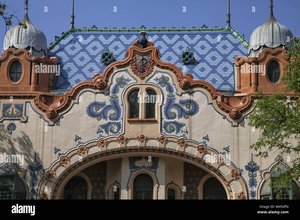
ferenc raichle
1873 - 1935 , Serbia
Quick Facts
- Artistic Movement Or Style: Art Nouveau
- Artists Or Movements Influenced By This Artist: ['Hungarian Secessionists']
- Artists Who Influenced This Artist: ['Viennese architects']
- Date Of Birth: 1873
- Date Of Death: 1935
- Full Name: Ferenc Raichle
- Nationality: Hungarian
- Notable Artworks: ['Raichle Palace (Subotica)']
- Place Of Birth: Subotica, Serbia