

 Preview
 Send
Send Share
Share
 Details

 Download
 Similars
 X-Ray
X-Ray Diaporama
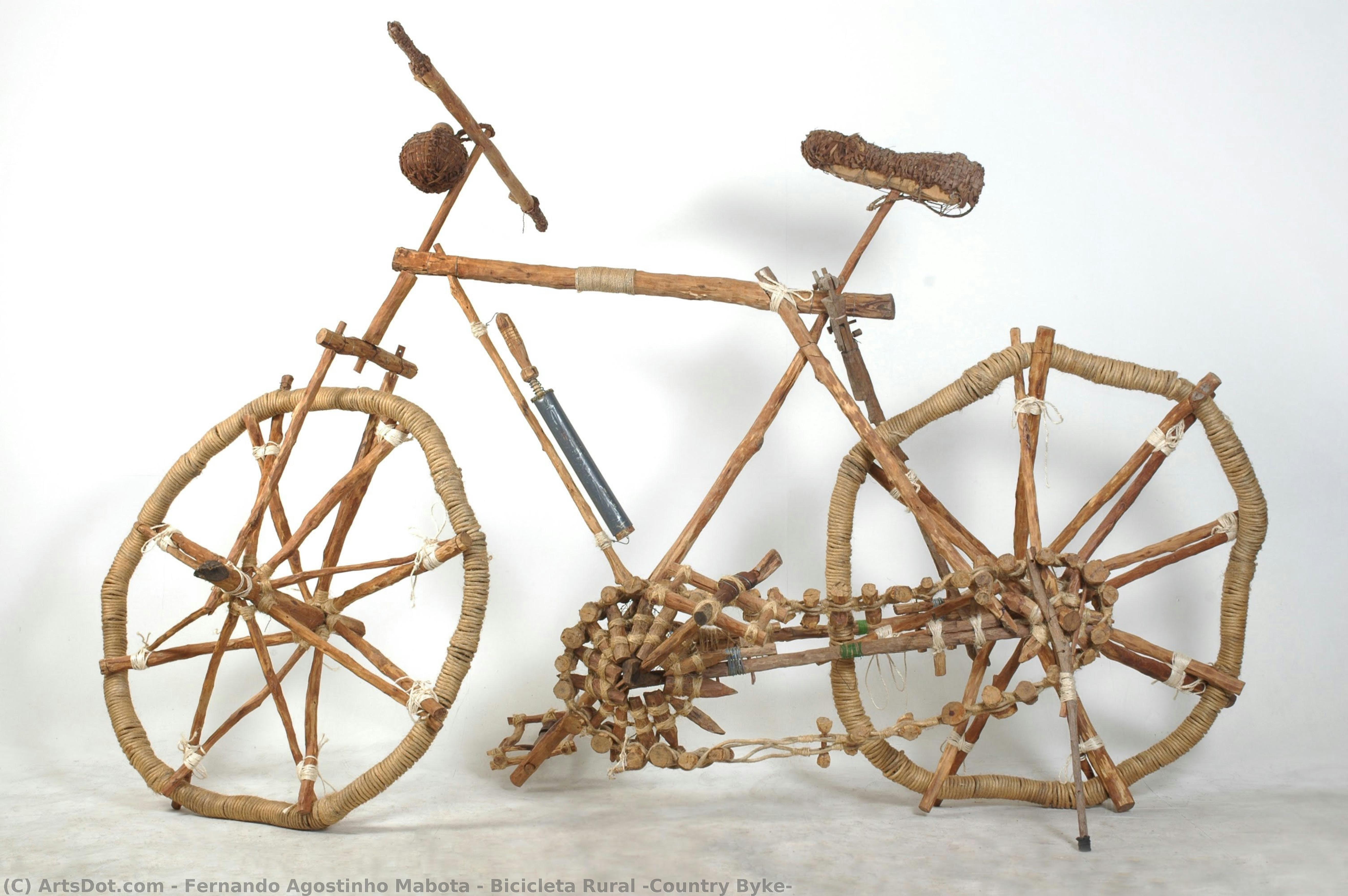
Bicicleta Rural (Country Byke)
 1998
1998 236.0 x 413.0 cm
 Read More
Purchase a high-resolution, enhanced digital image, far superior to the online preview.
Each file is meticulously prepared by our in-house specialists using advanced tools and expert manual retouching. We ensure every image has exceptional clarity, precise color accuracy, and fine detail.
The final file is delivered via email within 72 hours, optimized for immediate use in professional, editorial, and print environments. This is the same quality trusted by top-tier design studios, publishers, and galleries.
Digital Image
Download a high-resolution file for personal display, printing, and creative projects. ( Buy Print Buy Hand Made Painting)
Included in Every Digital Image Order
Expert Digital Delivery, Guaranteed
When you choose ArtsDot.com, you're not just getting an image - you're receiving a professionally enhanced digital artwork, crafted with precision and backed by a satisfaction guarantee. Here's everything that comes with your order, automatically:

Fast Email Delivery
Your high-resolution digital image file will be emailed to you within 72 hours of ordering - ready for immediate use.

AI-Enhanced Digital File
Your artwork is professionally optimized using advanced AI tools and manual editing, ensuring maximum detail, clarity, and color accuracy.

Free Lifetime Re-Delivery
Accidentally deleted or lost your file? No worries - we'll resend it to you anytime, free of charge.

No Import Fees - Ever
Enjoy your artwork instantly with zero customs, duties, or delivery fees - digital downloads are always tax-free.

Color Accuracy Guarantee
We ensure your digital image reflects the original colors as closely as possible using professional tools and color management.

60-Day Satisfaction Guarantee
If you're not satisfied with your digital image, we'll revise it or refund 100% within 60 days - no questions asked.

100% Money-Back Guarantee
Not satisfied? Get a full refund within 60 days of receiving your digital file - no questions asked.

Bulk Order Discounts
Buy 3 images, save 10% - Buy 5, save 15% - Buy 10+, save 20%. Great for creative projects, galleries, and agencies.
Related Artworks




Artist Biography
Tracey Emin: Excavating the Self Through Raw Emotion
Tracey Emin, born in Margate, Kent, on July 3rd, 1963, is an artist whose work has relentlessly peeled back layers of personal experience to expose the raw, often uncomfortable, truths of her life. From the outset, her art wasn’t about polished aesthetics or grand narratives; it was a direct, visceral confrontation with memory, trauma, and the complexities of human relationships. Her journey began in a working-class environment, a formative influence that deeply informs the themes she explores – loneliness, sexuality, addiction, and the enduring power of the past. Emin’s early life was marked by instability and a difficult relationship with her mother, experiences which would become recurring motifs in her art, particularly during the 1990s when she catapulted to fame as one of the leading figures of the Young British Artists (YBAs). This movement, characterized by its provocative and often challenging approach to traditional notions of art, provided a fertile ground for Emin’s distinctive voice.Early Influences and Artistic Development
Emin's formal artistic training began at Medway College of Design in 1980, followed by Maidstone College of Art where she studied printmaking. It was during her time at the Royal College of Art (1987-89) that she truly honed her skills and developed a style rooted in autobiographical exploration. Her initial work leaned towards drawing and painting, often depicting intimate scenes of domestic life and personal relationships. However, it wasn’t until the mid-1990s that Emin began to fully embrace the confessional approach that would define her career. This shift was dramatically catalyzed by *Everyone I Have Ever Slept With 1963–1995*, a monumental installation created for Charles Saatchi's infamous *Sensation* exhibition at the Royal Academy in London in 1997. This work, consisting of a tent covered with the names of all the men she had slept with over three decades, was both shocking and profoundly revealing, instantly cementing her status as a controversial and compelling artist. The sheer scale and unapologetic honesty of the piece forced viewers to confront uncomfortable truths about sexuality, memory, and the nature of identity.Key Works and Recurring Themes
Emin’s oeuvre is characterized by a willingness to expose vulnerability and challenge conventional notions of beauty and artistic propriety. *My Bed* (1998), arguably her most iconic work, remains a powerful testament to this approach. This readymade installation – a dirty, unmade bed littered with personal belongings, including used condoms and blood-stained underwear – offered an intensely intimate glimpse into a period of profound emotional turmoil. The piece wasn’t merely about depicting a messy bedroom; it was about conveying the overwhelming weight of grief, loneliness, and self-destruction. Subsequent works continued to explore similar themes, often utilizing mixed media techniques including drawing, painting, sculpture, film, photography, neon text, and sewn appliqué. Recurring motifs include depictions of bedclothes, cigarettes, alcohol, and fragmented memories – all serving as potent symbols of her personal history. The use of found objects and everyday materials further emphasizes the immediacy and rawness of her artistic process.Critical Reception and Historical Significance
Tracey Emin’s work has been met with a complex and often polarized response from critics and audiences alike. Initially, she was lauded as a groundbreaking innovator who had liberated art from the constraints of traditional representation. However, her confrontational style and willingness to delve into taboo subjects also drew criticism for being exploitative or overly sensationalistic. Despite these debates, Emin’s impact on contemporary art is undeniable. She helped to pave the way for a new generation of artists who were unafraid to explore personal experiences and challenge established artistic conventions. Her work has been exhibited extensively worldwide, including at major museums such as the Tate Modern in London and the Guggenheim Museum in New York City. Furthermore, her influence extends beyond the art world, impacting broader conversations about identity, sexuality, and mental health.Dame Emin and Continuing Legacy
In 2017, Tracey Emin was appointed Royal Academician, a prestigious honor recognizing her significant contributions to British art. She continues to create work that is both deeply personal and universally resonant, exploring themes of memory, loss, and the search for connection. Her ongoing commitment to honesty and vulnerability has solidified her position as one of the most important and influential artists of her generation. Her legacy lies not only in the powerful images she creates but also in her courageous willingness to confront difficult truths about herself and the human condition – a bravery that continues to inspire artists and viewers alike.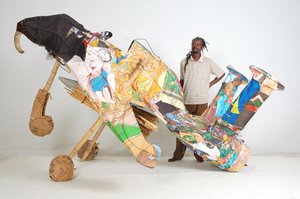
fernando agostinho mabota
1963 - 2017 , Mozambique
Quick Facts
- Artistic Movement Or Style: Autobiographical art
- Artists Or Movements Influenced By This Artist:
- Young British Artists
- Feminist Art
- Artists Who Influenced This Artist:
- Louise Bourgeois
- Francis Bacon
- Date Of Birth: 3 July 1963
- Full Name: Tracey Karima Emin
- Nationality: British
- Notable Artworks:
- Everyone I Have Ever Slept With
- My Bed
- Place Of Birth: Margate, England

