

 Preview
 Send
Send Share
Share
 Details

 Download
 Similars
 X-Ray
X-Ray Diaporama
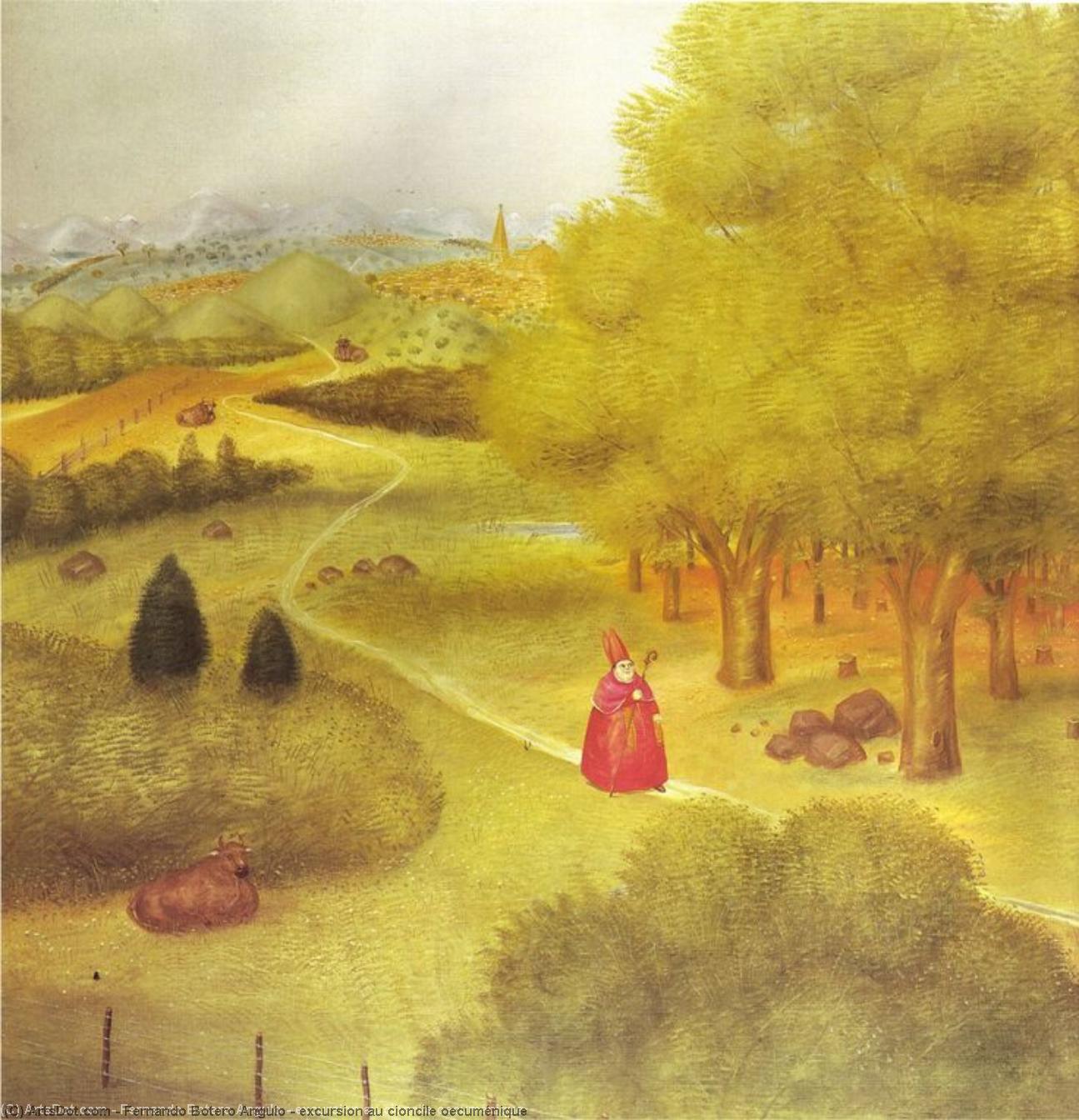
excursion au cioncile oecuménique

 Read More
Purchase a high-resolution, enhanced digital image, far superior to the online preview.
Each file is meticulously prepared by our in-house specialists using advanced tools and expert manual retouching. We ensure every image has exceptional clarity, precise color accuracy, and fine detail.
The final file is delivered via email within 72 hours, optimized for immediate use in professional, editorial, and print environments. This is the same quality trusted by top-tier design studios, publishers, and galleries.
Digital Image
Download a high-resolution file for personal display, printing, and creative projects. ( Buy Print Buy Hand Made Painting)
Included in Every Digital Image Order
Expert Digital Delivery, Guaranteed
When you choose ArtsDot.com, you're not just getting an image - you're receiving a professionally enhanced digital artwork, crafted with precision and backed by a satisfaction guarantee. Here's everything that comes with your order, automatically:

Fast Email Delivery
Your high-resolution digital image file will be emailed to you within 72 hours of ordering - ready for immediate use.

AI-Enhanced Digital File
Your artwork is professionally optimized using advanced AI tools and manual editing, ensuring maximum detail, clarity, and color accuracy.

Free Lifetime Re-Delivery
Accidentally deleted or lost your file? No worries - we'll resend it to you anytime, free of charge.

No Import Fees - Ever
Enjoy your artwork instantly with zero customs, duties, or delivery fees - digital downloads are always tax-free.

Color Accuracy Guarantee
We ensure your digital image reflects the original colors as closely as possible using professional tools and color management.

60-Day Satisfaction Guarantee
If you're not satisfied with your digital image, we'll revise it or refund 100% within 60 days - no questions asked.

100% Money-Back Guarantee
Not satisfied? Get a full refund within 60 days of receiving your digital file - no questions asked.

Bulk Order Discounts
Buy 3 images, save 10% - Buy 5, save 15% - Buy 10+, save 20%. Great for creative projects, galleries, and agencies.
Collectible Description
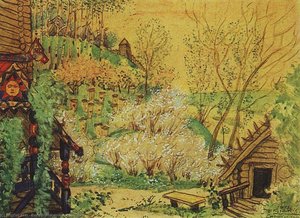
Fernando Botero’s Excursion au Cioncile Oecuménique: A Symphony of Volume and Pastoral Tranquility
The Excursion au Cioncile Oecuménique, created in 1972 by the Colombian artist Fernando Botero Angulo, stands as a cornerstone of Naïve Art (Primitivism)—a movement that championed simplicity, directness, and an unburdened engagement with observation. As a professional art historian and connoisseur at ArtsDot.com, I can confidently assert that this oil on canvas masterpiece transcends mere representation; it embodies Botero’s distinctive vision of the natural world infused with subtle social commentary. Its enduring appeal lies in its masterful manipulation of form—a technique that immediately distinguishes it from academic conventions and invites contemplation about perception itself. ### Artistic Style and Technique: The Essence of “Boterismo” Fernando Botero Angulo's signature style, dubbed "Boterismo," is instantly recognizable through its deliberate exaggeration of proportions. In the Excursion au Cioncile Oecuménique, figures—including a solitary man walking along a path—are rendered with bulbous forms that defy realistic anatomy, prioritizing visual impact over anatomical accuracy. This stylistic choice isn’t arbitrary; it reflects Botero's fascination with Baroque sculpture and his desire to convey emotion through monumental shapes. The vibrant palette—dominated by earthy greens and blues—further enhances the painting’s serene atmosphere, creating a harmonious blend of color that complements the landscape setting. Thick brushstrokes contribute to textural richness, emphasizing the materiality of the canvas and reinforcing Botero's commitment to capturing the essence of his subject matter. ### Historical Context: Embracing Primitivism Amidst Modernity The Excursion au Cioncile Oecuménique emerged during a period of artistic experimentation in Latin America—a reaction against European avant-garde movements that prioritized abstraction and intellectual conceptualization. Botero’s embrace of Naïve Art stemmed from his rejection of formal training, prioritizing intuition and direct experience as sources of inspiration. This stylistic decision aligns with the broader cultural ethos of the time, which valued authenticity and emotional resonance over technical virtuosity. The painting's depiction of a pastoral scene—rolling hills dotted with trees—mirrors the Romantic preoccupation with idealized landscapes and serves as a counterpoint to the anxieties of urban modernity. ### Symbolism and Emotional Impact: A Quiet Reflection on Humanity’s Place in Nature Beyond its formal qualities, the Excursion au Cioncile Oecuménique possesses subtle symbolic layers. The solitary man represents humanity's journey—a contemplative exploration of existence amidst the grandeur of nature. His staff symbolizes guidance and resilience, suggesting a steadfast determination to persevere despite challenges. The inclusion of animals—a cow and a horse—adds to the painting’s richness, representing fertility and strength respectively. More importantly, Botero’s masterful composition evokes a profound sense of tranquility and peace—a balm for the stresses of contemporary life. It invites viewers to pause and appreciate the beauty of simplicity, prompting reflection on our relationship with the natural world and fostering an appreciation for timeless artistic values. ### Exploring Reproductions at ArtsDot.com To experience the captivating artistry of Fernando Botero Angulo firsthand, explore our curated collection of high-quality oil painting reproductions at https://ArtsDot.com/. Discover exceptional prints that capture the essence of “Boterismo” and bring this iconic artwork into your home or studio. Visit https://ArtsDot.com for similar masterpieces by Maria Primachenko and Su Xin Ping—including Dumplings on the Shelf and Landscape No.11—to enrich your artistic horizons. Learn more about Fernando Botero Angulo’s legacy at Wikipedia: https://www.wikipedia.org/.Related Artworks
Artist Biography
A Colombian Visionary: The Life and Art of Fernando Botero
Born in Medellín, Colombia, in 1932, Fernando Botero Angulo emerged as one of Latin America’s most celebrated and internationally recognized artists. His journey began not within the hallowed halls of art academies, but amidst the vibrant life and Baroque splendor of his native city. Isolated from mainstream artistic currents during his youth, young Botero found inspiration in the ornate colonial churches and bustling urban scenes of Medellín—a formative experience that would profoundly shape his unique aesthetic vision. This early exposure instilled a primitivist sensibility, an appreciation for simple yet powerful forms, which became a hallmark of his style. Initially drawn to the drama of bullfighting, he honed his skills through drawing, but quickly realized his path lay beyond the arena and towards a broader exploration of form and volume.The Genesis of ‘Boterismo’
Botero's artistic development was marked by a deliberate rejection of European modernism. After periods studying in Madrid and Paris, he found himself disillusioned with the prevailing avant-garde movements. Instead, he turned inward, seeking inspiration from the Old Masters—Velázquez, Goya, and Titian—and rediscovering the power of classical form. This exploration led to the birth of what would become known as ‘Boterismo,’ a style characterized by generous, exaggerated volumes. It wasn’t merely about depicting “fat people,” as some critics simplistically suggested; it was a conscious manipulation of proportion, a celebration of sensuality and abundance, and a subtle commentary on social and political realities. His figures—human, animal, or still life—possess a monumental presence, radiating both warmth and a quiet dignity. The early 1960s saw the solidification of this style, with paintings like *Presidential Family* (1967) becoming iconic representations of his burgeoning aesthetic. This work, in particular, subtly satirized Colombian political elites while simultaneously showcasing the captivating allure of Botero’s rounded forms.Expanding Horizons: Sculpture and Beyond
While initially renowned for his paintings, Botero's artistic ambition extended to sculpture in 1973 after relocating to Paris. This transition proved transformative, allowing him to explore volume and form in three dimensions. His monumental bronze sculptures began appearing in public spaces around the world—parks in New York, Florence, and Medellín—becoming beloved landmarks and symbols of his artistic vision. These sculptures weren’t merely scaled-up versions of his paintings; they possessed a unique physicality, inviting viewers to engage with them on a tactile level. Beyond painting and sculpture, Botero also demonstrated versatility through drawings and collages, often tackling politically charged subjects. His *Violence* series, created in response to the escalating conflict in Colombia, stands as a powerful testament to his commitment to social commentary. Similarly, his *Abu Ghraib* series directly addressed the abuses at the Iraqi prison, demonstrating his willingness to confront difficult truths through art.Legacy and Influence
Fernando Botero’s impact on the art world is undeniable. He became a cultural icon in Colombia, donating generously to museums and public spaces, solidifying his place as a national treasure. His work transcends geographical boundaries, resonating with audiences worldwide through its universal themes of humanity, sensuality, and social critique. While some initially dismissed ‘Boterismo’ as mere stylistic quirk, it has since been recognized as a significant contribution to figurative art. He challenged conventional notions of beauty and proportion, inviting viewers to reconsider their perceptions of the human form. His influence can be seen in the work of numerous contemporary artists who explore themes of body image, social satire, and cultural identity. Botero’s legacy extends beyond his artistic achievements; he inspired a generation of Latin American artists to embrace their own unique voices and perspectives on the world. He passed away in September 2023 at the age of 91, leaving behind an extraordinary body of work that continues to captivate and provoke thought.Key Characteristics & Notable Works
- Style: Boterismo – characterized by exaggerated volumes and proportions.
- Influences: Baroque art, Old Masters (Velázquez, Goya), Latin American folk art, pre-Columbian art.
- Themes: Colombian culture, social satire, political commentary, sensuality, the human form.
- Notable Works: *Mona Lisa, Age Twelve* (1959), *The Presidential Family* (1967), *Dancers* (1987), *Death of Pablo Escobar* (1999), *La Paloma de la Paz* (2016).
- Awards: International Sculpture Center’s Lifetime Achievement in Contemporary Sculpture Award (2012).
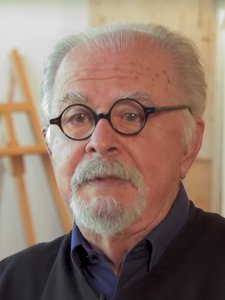
Fernando Botero
1932 - 1959 , Colombia
Quick Facts
- Artistic Movement Or Style: Boterismo, Primitivism
- Artists Who Influenced This Artist:
- Diego Rivera
- Francisco de Goya
- Diego Velázquez
- Date Of Birth: April 19, 1932
- Date Of Death: September 15, 2023
- Full Name: Fernando Botero Angulo
- Nationality: Colombian
- Notable Artworks:
- Mona Lisa, Age Twelve
- The Presidential Family
- Walk in the hills
- Place Of Birth: Medellín, Colombia

