 Preview
 Send
Send Share
Share
 Details

 Download
 Similars
 X-Ray
X-Ray Diaporama
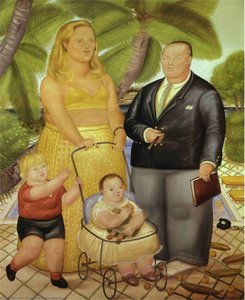
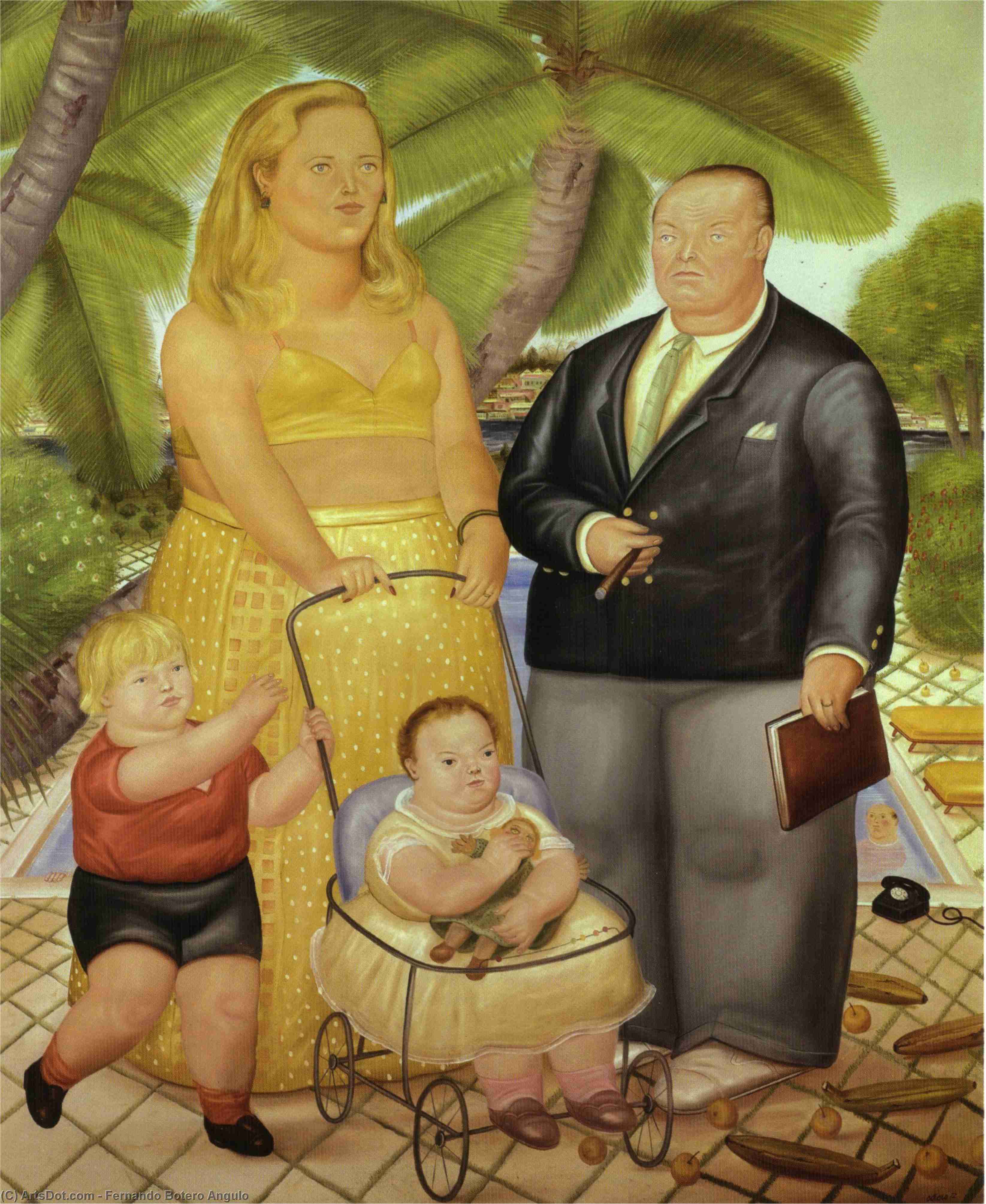
Frank Lloyd et sa famille à paradise island


 Read More
Giclée / Art Print
Museum-quality giclée or canvas print with fast production and flexible finish options. ( Buy Hand Made Painting Buy Image)




P118B $10

P118H $10

P118W $10

P438Z $10

P508JH $12

P508YH $12

P805H $10

P805Z $10

P919BZ $10

P919G $10

P919XJ $10

P959ZH $10

P968JZ $12

W106C $8

W218G $10

W218JH $8

W218Y $10

W307PJ $10

W316G $10

W316PJ $8

W316Y $10

W398PJ $8

W4111J $10

W500HY $15

W500JH $15

W692G $12

W849H $8

W940BG $15

W953PJ $8




Pick from our preset sizes that match the artwork's original proportions.

You may enter your own dimensions to fit a specific frame or space. If your selected size does not match the original image's proportions, we will either crop the artwork or extend the image with a mirrored or solid-fill edge. A digital mockup will be sent for your approval before production begins.
Please note that the on-screen preview does not reflect the actual cropping or extension. Only the mockup will accurately show the final composition.
While custom sizes are available, we recommend selecting a dimension from the predefined list to preserve the original proportions.
Worldwide Delivery () in 2 weeks instead of standard 4/5 weeks. (16 August)

Free Worldwide Express Shipping

High-Quality Linen Canvas

Full Shipping Insurance

Customs Tax Refund Guarantee

True Color Matching Guarantee

60-Day Return Policy (Defects Only)

100% Money-Back Guarantee

Bulk Discount Offer
 Glass option is only available in size under 110 CM

Frank Lloyd et sa famille à paradise island
Giclée / Art Print
Reproduction Size
-


Total Price
$ 63
Collectible Description
A Tropical Serenade in Volumetric Grace
In the sun-drenched realm of Fernando Botero, reality is not merely observed but expanded, inflated with a sense of profound abundance and tactile joy. His work, Frank Lloyd et sa famille à paradise island, serves as a breathtaking window into a world where the boundaries of form are pushed to celebrate the very essence of life. The painting captures a tender moment on a tropical shore, presenting a family of four—two adults and two children—anchored amidst the soft sands of a paradise island. There is an undeniable warmth in the way the figures occupy the space; they do not merely stand upon the beach, but seem to emerge from it, their rounded, voluminous silhouettes echoing the lush, organic curves of the surrounding palm trees. The woman, draped in a vibrant yellow dress that catches the imaginary tropical light, holds a baby with a grace that feels both monumental and deeply intimate.
The technique employed here is a masterclass in what the art world affectionately terms Boterismo. Botero’s signature style eschews the thinness of traditional realism in favor of exaggerated volume, creating figures that possess a sculptural weight. This is not mere caricature; rather, it is an exploration of mass and presence. Every curve of the family members' limbs and every swell of their clothing contributes to a sense of rhythmic continuity. The artist uses color with a deliberate, smooth application, allowing the tropical palette—the bright yellows, the deep greens of the palms, and the soft tones of the sand—to vibrate against one another without losing the structural integrity of the forms. For the collector or interior designer, this technique offers a unique visual gravity, making the piece a commanding focal point that commands attention through its sheer physical presence.
Beyond the aesthetic splendor, there is a profound emotional resonance found within this tropical tableau. The inclusion of a stroller nestled between the adults and children introduces a poignant touch of domestic reality into an otherwise dreamlike setting. It grounds the monumental figures in the relatable, everyday joys of parenthood and family life. There is a sense of timelessness here; while the attire suggests a specific moment of leisure, the exaggerated forms elevate the scene to something mythic. The painting evokes a feeling of security, abundance, and the eternal peace found in nature's embrace. It is an invitation to slow down, to breathe in the salt air, and to appreciate the magnificent, heavy beauty of existence.
For those looking to curate a space that inspires tranquility and wonder, this reproduction offers more than just decoration; it offers a narrative of prosperity and love. Whether placed in a sophisticated contemporary gallery setting or a warm, sunlit living room, the piece acts as an emotional anchor. It brings with it the spirit of Colombia and the visionary soul of Botero, transforming any interior into a sanctuary of artful, voluminous splendor.
Related Artworks

Artist Biography
A Colombian Visionary: The Life and Art of Fernando Botero
Born in Medellín, Colombia, in 1932, Fernando Botero Angulo emerged as one of Latin America’s most celebrated and internationally recognized artists. His journey began not within the hallowed halls of art academies, but amidst the vibrant life and Baroque splendor of his native city. Isolated from mainstream artistic currents during his youth, young Botero found inspiration in the ornate colonial churches and bustling urban scenes of Medellín—a formative experience that would profoundly shape his unique aesthetic vision. This early exposure instilled a primitivist sensibility, an appreciation for simple yet powerful forms, which became a hallmark of his style. Initially drawn to the drama of bullfighting, he honed his skills through drawing, but quickly realized his path lay beyond the arena and towards a broader exploration of form and volume.The Genesis of ‘Boterismo’
Botero's artistic development was marked by a deliberate rejection of European modernism. After periods studying in Madrid and Paris, he found himself disillusioned with the prevailing avant-garde movements. Instead, he turned inward, seeking inspiration from the Old Masters—Velázquez, Goya, and Titian—and rediscovering the power of classical form. This exploration led to the birth of what would become known as ‘Boterismo,’ a style characterized by generous, exaggerated volumes. It wasn’t merely about depicting “fat people,” as some critics simplistically suggested; it was a conscious manipulation of proportion, a celebration of sensuality and abundance, and a subtle commentary on social and political realities. His figures—human, animal, or still life—possess a monumental presence, radiating both warmth and a quiet dignity. The early 1960s saw the solidification of this style, with paintings like *Presidential Family* (1967) becoming iconic representations of his burgeoning aesthetic. This work, in particular, subtly satirized Colombian political elites while simultaneously showcasing the captivating allure of Botero’s rounded forms.Expanding Horizons: Sculpture and Beyond
While initially renowned for his paintings, Botero's artistic ambition extended to sculpture in 1973 after relocating to Paris. This transition proved transformative, allowing him to explore volume and form in three dimensions. His monumental bronze sculptures began appearing in public spaces around the world—parks in New York, Florence, and Medellín—becoming beloved landmarks and symbols of his artistic vision. These sculptures weren’t merely scaled-up versions of his paintings; they possessed a unique physicality, inviting viewers to engage with them on a tactile level. Beyond painting and sculpture, Botero also demonstrated versatility through drawings and collages, often tackling politically charged subjects. His *Violence* series, created in response to the escalating conflict in Colombia, stands as a powerful testament to his commitment to social commentary. Similarly, his *Abu Ghraib* series directly addressed the abuses at the Iraqi prison, demonstrating his willingness to confront difficult truths through art.Legacy and Influence
Fernando Botero’s impact on the art world is undeniable. He became a cultural icon in Colombia, donating generously to museums and public spaces, solidifying his place as a national treasure. His work transcends geographical boundaries, resonating with audiences worldwide through its universal themes of humanity, sensuality, and social critique. While some initially dismissed ‘Boterismo’ as mere stylistic quirk, it has since been recognized as a significant contribution to figurative art. He challenged conventional notions of beauty and proportion, inviting viewers to reconsider their perceptions of the human form. His influence can be seen in the work of numerous contemporary artists who explore themes of body image, social satire, and cultural identity. Botero’s legacy extends beyond his artistic achievements; he inspired a generation of Latin American artists to embrace their own unique voices and perspectives on the world. He passed away in September 2023 at the age of 91, leaving behind an extraordinary body of work that continues to captivate and provoke thought.Key Characteristics & Notable Works
- Style: Boterismo – characterized by exaggerated volumes and proportions.
- Influences: Baroque art, Old Masters (Velázquez, Goya), Latin American folk art, pre-Columbian art.
- Themes: Colombian culture, social satire, political commentary, sensuality, the human form.
- Notable Works: *Mona Lisa, Age Twelve* (1959), *The Presidential Family* (1967), *Dancers* (1987), *Death of Pablo Escobar* (1999), *La Paloma de la Paz* (2016).
- Awards: International Sculpture Center’s Lifetime Achievement in Contemporary Sculpture Award (2012).

Fernando Botero
1932 - 1959 , Colombia
Quick Facts
- Artistic Movement Or Style: Boterismo, Primitivism
- Artists Who Influenced This Artist:
- Diego Rivera
- Francisco de Goya
- Diego Velázquez
- Date Of Birth: April 19, 1932
- Date Of Death: September 15, 2023
- Full Name: Fernando Botero Angulo
- Nationality: Colombian
- Notable Artworks:
- Mona Lisa, Age Twelve
- The Presidential Family
- Walk in the hills
- Place Of Birth: Medellín, Colombia
Related Articles
Golden Hues: 10 Masterpieces Dominated by Chrome Yellow | ArtsDot
Immerse yourself in golden light! Explore 10 famous paintings dominated by 'Chrome Yellow', from Van Gogh’s Sunflowers to Monet's Haystacks. Discover the stories behind these iconic Impressionist & Post-Impressionist masterpieces and find museum-quality art reproductions at ArtsDot.com.
Golden Hues: Top 10 Paintings Dominated by Yellow Ochre |
Explore 10 iconic paintings bathed in golden yellow ochre! From Van Gogh's sunflowers to Monet’s haystacks, discover the stories behind these masterpieces. Find museum-quality art reproductions & elevate your home decor on .

The Golden Hue: Exploring Symbolism & Emotion in Yellow Art
Explore the rich symbolism & emotional power of yellow in art history! From Van Gogh to Kandinsky, discover how artists used this vibrant hue. Expert analysis & high-quality reproductions at ArtsDot.

Crimson Threads of Narrative: Exploring Symbolism & Representation in Artworks Featuring the Red Dress
Explore the rich symbolism of the red dress in art history! From ancient power displays to iconic portraits like Cézanne’s 'Madame Cezanne', discover the cultural and artistic significance behind this captivating color. Expert analysis & insights.
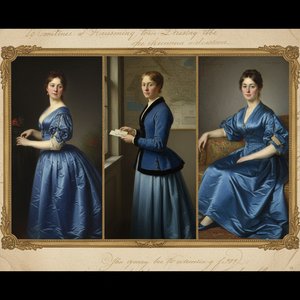
Azure Visions: Exploring Representations of the Blue Dress in Western Art History
Explore the rich history of the blue dress in Western art! Discover its symbolism, from Renaissance masterpieces to modern interpretations by artists like Martin & Schiele. Uncover cultural meanings and artistic techniques.