

 Preview
 Send
Send Share
Share
 Details

 Download
 Similars
 X-Ray
X-Ray Diaporama
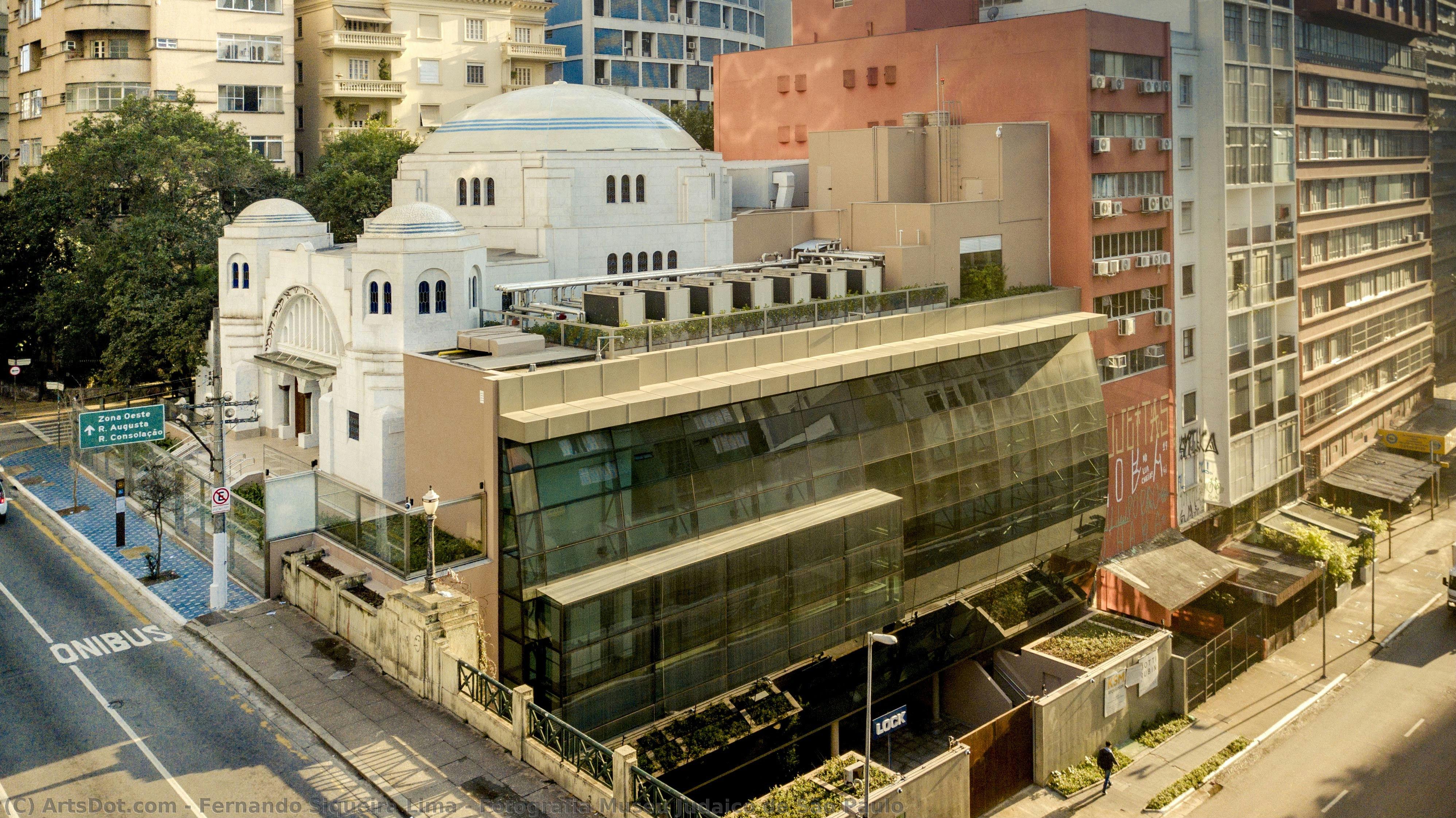
Fotografia Museu Judaico de São Paulo


 Read More
Purchase a high-resolution, enhanced digital image, far superior to the online preview.
Each file is meticulously prepared by our in-house specialists using advanced tools and expert manual retouching. We ensure every image has exceptional clarity, precise color accuracy, and fine detail.
The final file is delivered via email within 72 hours, optimized for immediate use in professional, editorial, and print environments. This is the same quality trusted by top-tier design studios, publishers, and galleries.
Digital Image
Download a high-resolution file for personal display, printing, and creative projects. ( Buy Print Buy Hand Made Painting)
Included in Every Digital Image Order
Expert Digital Delivery, Guaranteed
When you choose ArtsDot.com, you're not just getting an image - you're receiving a professionally enhanced digital artwork, crafted with precision and backed by a satisfaction guarantee. Here's everything that comes with your order, automatically:

Fast Email Delivery
Your high-resolution digital image file will be emailed to you within 72 hours of ordering - ready for immediate use.

AI-Enhanced Digital File
Your artwork is professionally optimized using advanced AI tools and manual editing, ensuring maximum detail, clarity, and color accuracy.

Free Lifetime Re-Delivery
Accidentally deleted or lost your file? No worries - we'll resend it to you anytime, free of charge.

No Import Fees - Ever
Enjoy your artwork instantly with zero customs, duties, or delivery fees - digital downloads are always tax-free.

Color Accuracy Guarantee
We ensure your digital image reflects the original colors as closely as possible using professional tools and color management.

60-Day Satisfaction Guarantee
If you're not satisfied with your digital image, we'll revise it or refund 100% within 60 days - no questions asked.

100% Money-Back Guarantee
Not satisfied? Get a full refund within 60 days of receiving your digital file - no questions asked.

Bulk Order Discounts
Buy 3 images, save 10% - Buy 5, save 15% - Buy 10+, save 20%. Great for creative projects, galleries, and agencies.
Related Artworks










Artist Biography
Jean-Michel Basquiat: A Voice From the Streets and Beyond
Jean-Michel Basquiat’s story is one of astonishing speed, meteoric rise, and tragically premature end – a whirlwind journey from the gritty streets of Brooklyn to international acclaim. Born in 1960 to Haitian and Puerto Rican parents, his early life was marked by movement and a yearning for belonging. Leaving home at fifteen, he immersed himself in New York City’s vibrant underground scene, absorbing the energy of punk rock, street art, and burgeoning hip-hop culture. This immersion profoundly shaped his artistic vision, laying the foundation for a career that would challenge conventions and redefine the boundaries of contemporary art.
Initially known as SAMO alongside Al Diaz, Basquiat began tagging Manhattan walls with enigmatic epigrams – short, provocative statements that questioned authority, explored social issues, and hinted at hidden meanings. These early works, often executed in a raw, almost frantic style, established his signature blend of text and image, a technique he would continue to develop throughout his career. The SAMO partnership provided crucial experience and exposure, but it was the shift towards independent painting that truly ignited Basquiat’s artistic fire.
The Rise of Neo-Expressionism and Early Influences
By the early 1980s, Basquiat's distinctive style began to attract attention from galleries and museums. He quickly became a central figure in the burgeoning neo-expressionist movement, alongside artists like Anselm Kiefer and Georg Baselitz. However, Basquiat’s work transcended simple categorization; it was informed by a complex tapestry of influences – African art, particularly the stylized figures and symbolic imagery of Congolese masks; jazz music, with its improvisational spirit and rhythmic complexity; and the history of racial injustice in America.
His paintings were not merely decorative; they were densely layered narratives, crammed with references to everything from historical events and scientific diagrams to pop culture icons and personal experiences. He frequently incorporated text – words, phrases, and even entire poems – directly into his compositions, creating a dialogue between image and language that was both challenging and deeply engaging. The use of crowns, skulls, and other potent symbols further amplified the layers of meaning within his work, often exploring themes of power, mortality, and identity.
A Decade of Rapid Development and Critical Reception
Basquiat’s meteoric rise to fame was both exhilarating and fraught with tension. He became one of the youngest artists to exhibit at the Whitney Biennial in 1982 and participated in Documenta in Kassel, Germany, cementing his place as a major international talent. Yet, his success was often met with skepticism and criticism from established art critics who questioned his authenticity and perceived him as a product of the market’s excesses.
Despite these challenges, Basquiat continued to produce an astonishing volume of work – thousands of paintings and drawings – each reflecting his evolving artistic vision. His style evolved over time, moving from the raw energy of his early graffiti-inspired pieces to more complex and layered compositions incorporating a wider range of techniques and imagery. He experimented with different materials, including cardboard, wood, and metal, pushing the boundaries of traditional painting.
Themes of Power, Identity, and Social Commentary
At the heart of Basquiat’s art lies a profound engagement with themes of power, identity, and social commentary. His work frequently confronts issues of racism, inequality, and exploitation, often targeting institutions and systems that perpetuate injustice. He explored the complexities of being Black in America, grappling with questions of representation, visibility, and historical legacy.
However, Basquiat’s art is not simply a polemic; it's also deeply personal. His paintings are filled with introspection, exploring his own experiences of alienation, loneliness, and the search for meaning. He used his work as a means of self-discovery, confronting his own demons and challenging conventional notions of beauty and value. The recurring image of the crown, for example, can be interpreted both as a symbol of royalty and a critique of power structures.
Legacy and Enduring Significance
Tragically, Jean-Michel Basquiat’s life was cut short at the age of 27 in August 1988 due to a heroin overdose. Despite his untimely death, his work has continued to resonate with audiences around the world, solidifying his place as one of the most important and influential artists of the late 20th century.
His paintings are now highly sought after by collectors and museums alike, commanding record-breaking prices at auction. Basquiat’s legacy extends far beyond the art market; he remains a powerful symbol of artistic innovation, social activism, and the enduring power of voice – a voice that emerged from the streets and continues to challenge us to see the world in new ways.

fernando siqueira lima
1982 - , Uruguay
Quick Facts
- Artistic Movement Or Style: Neo-Expressionism
- Artists Or Movements Influenced By This Artist:
- Hip-hop culture
- Street art
- Artists Who Influenced This Artist:
- Graffiti artists
- Andy Warhol
- Date Of Birth: December 22, 1960
- Date Of Death: August 12, 1988
- Full Name: Jean-Michel Basquiat
- Nationality: American
- Notable Artworks:
- Irony of Negro Policeman
- Skull of Doom
- Untitled (1982)
- Boy and Dog in a Johnnypump
- Defacement
- Hollywood Africans
- Place Of Birth: New York City, USA

