 Preview
 Send
Send Share
Share
 Details

 Download
 Similars
 X-Ray
X-Ray Diaporama
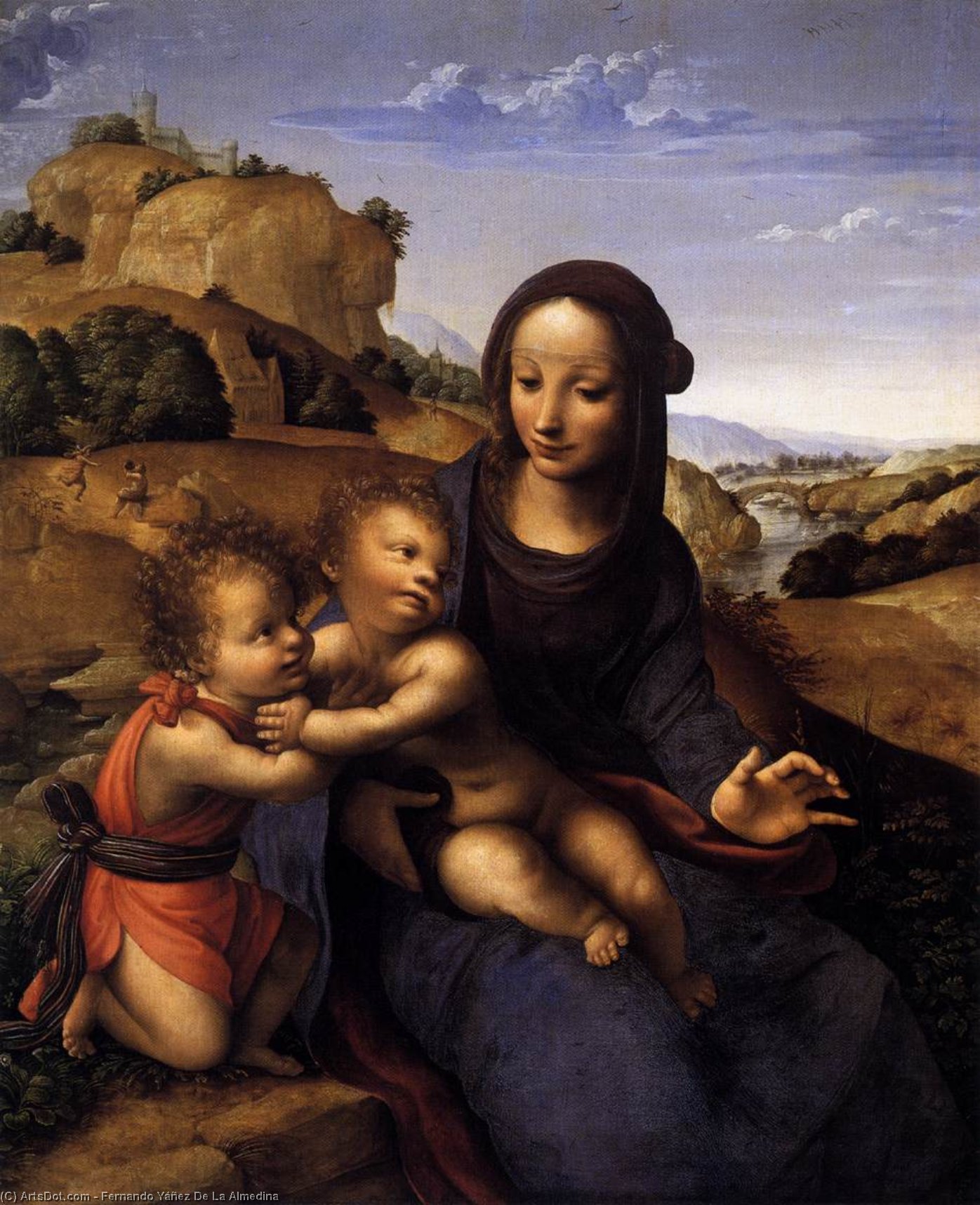
Madonna and Child with Infant St John
 Oil
Oil- WallArt
- Renaissance
 1505
1505- Renaissance
 78.0 x 64.0 cm
 National Gallery of Art
 Read More
Hand Made Oil Reproduction
Hand-painted oil on canvas in your size and frame, made to order by our artists. ( Buy Print Buy Image)




P118B $10

P118H $10

P118W $10

P438Z $10

P508JH $12

P508YH $12

P805H $10

P805Z $10

P919BZ $10

P919G $10

P919XJ $10

P959ZH $10

P968JZ $12

W106C $8

W218G $10

W218JH $8

W218Y $10

W307PJ $10

W316G $10

W316PJ $8

W316Y $10

W398PJ $8

W4111J $10

W500HY $15

W500JH $15

W692G $12

W849H $8

W940BG $15

W953PJ $8




Pick from our preset sizes that match the artwork's original proportions.

You may enter your own dimensions to fit a specific frame or space. If your selected size does not match the original image's proportions, we will either crop the artwork or extend the painting with additional hand-painted elements. A digital mockup will be sent for your approval before production begins.
Please note that the on-screen preview does not reflect the actual cropping or extension. Only the mockup will accurately show the final composition.
While custom sizes are available, we recommend selecting a dimension from the predefined list to preserve the original proportions.
After order, ArtsDot.com team will email client for instructions and provide a mockup preview
Worldwide Delivery () in 3/4 weeks instead of standard 5 weeks. (16 August). No compromise on quality.

Free Worldwide Express Shipping

High-Quality Linen Canvas

Full Shipping Insurance

Customs Tax Refund Guarantee

True Color Matching Guarantee

60-Day Return Policy (Defects Only)

100% Money-Back Guarantee

Bulk Discount Offer
 Glass option is only available in size under 110 CM

Madonna and Child with Infant St John
Reproduction Medium
Reproduction Size
-


Total Price
$ 263
Artwork Description
A Divine Encounter in the Renaissance Landscape
In the quiet, luminous atmosphere of Fernando Yáñez de la Almedina’s Madonna and Child with Infant St John, we are invited into a sacred moment that transcends the boundaries of time. Painted around 1505, this masterpiece serves as a profound window into the spiritual tenderness of the High Renaissance. The composition centers on the Virgin Mary, whose presence radiates a serene, maternal grace as she cradles the Christ Child. Beside them stands the young St. John the Baptist, creating a triangular intimacy that draws the viewer into their holy circle. This is not merely a religious depiction; it is an emotional landscape where the divine meets the human through soft gazes and gentle physical connections.
The setting of the painting expands the narrative beyond the figures themselves, placing this holy family against a breathtakingly vast and rugged mountainous backdrop. The rocky hillsides and distant peaks provide a sense of permanence and grandeur, suggesting that the message of the Madonna is as enduring as the earth itself. Even the subtle presence of birds drifting through the sky adds a layer of natural vitality to the scene, reminding us of the interconnectedness between the celestial and the terrestrial. For the collector or interior designer, this piece offers a profound sense of depth and tranquility, making it an ideal focal point for spaces designed for reflection and quiet elegance.
The Mastery of Light and Sfumato
To behold this work is to witness the exquisite influence of Leonardo da Vinci upon the Spanish master. Yáñez de la Almedina was a pioneer in bringing the revolutionary technique of sfumato to the Iberian Peninsula. In this painting, we see the masterful application of this method—the subtle, smoky blending of tones that eliminates harsh outlines and allows colors to merge like shadows at dusk. This technique lends a lifelike, breathing quality to the skin of the Madonna and the soft features of the infants, creating a dreamlike atmosphere where light seems to emanate from within the subjects themselves.
The artist’s ability to manipulate light and shadow creates a sculptural volume that gives the figures a remarkable three-dimensional presence. This interplay of light does more than just define form; it directs the viewer's emotional journey, guiding the eye from the tender touch of Mary’s hands to the distant, hazy horizons of the landscape. For those seeking a high-quality reproduction, capturing these delicate gradations is essential. A faithful recreation of this work preserves the soft transitions and the atmospheric perspective that make Yáñez’s contribution to the Renaissance so uniquely captivating and emotionally resonant.
A Legacy of Cultural Synthesis
Beyond its aesthetic beauty, this painting stands as a testament to the complex cultural tapestry of 16th-century Spain. As a painter of Morisco descent, Yáñez de la Almedina occupied a unique position in art history, blending his Iberian heritage with the burgeoning humanist ideals flowing from Italy. This synthesis is visible in the way he marries the profound religious devotion characteristic of Spanish tradition with the sophisticated compositional innovations of the Italian Renaissance. The result is a work that feels both deeply rooted in local piety and cosmopolitically advanced.
For the discerning art lover, owning a piece inspired by this era means possessing a fragment of history where different worlds collided to create something transcendent. Whether placed in a grand gallery or a sophisticated contemporary living space, the Madonna and Child with Infant St John brings an air of timeless sophistication and spiritual depth. It is a celebration of light, a study in maternal love, and a monumental achievement of a painter who helped redefine the visual language of his age.
Related Artworks
Artist Biography
Fernando Yáñez de la Almedina: A Renaissance Pioneer in Valencia
Fernando Yáñez de la Almedina (c. 1475 – 1536) stands as one of the most prominent figures in Spanish Renaissance painting, a testament to the artistic fervor that flourished during the reign of Ferdinand II and Isabella I—the monarchs who ushered in an era of cultural revival after centuries of Moorish rule. Born in Almedina, Castile (modern Valencia), Yáñez’s origins were Morisco – descendants of Muslim converts to Christianity – which imbued him with a unique perspective on artistic innovation and blended Iberian traditions with burgeoning Italian humanist ideals. His formative years coincided with the transformative influence of Leonardo da Vinci, whose groundbreaking techniques and compositional explorations captivated artists across Europe, including Yáñez himself. This encounter proved pivotal in shaping his stylistic trajectory and establishing him as a champion of sfumato—the subtle blending of tones that created depth and luminosity—a hallmark of Da Vinci’s oeuvre.Early Career and Florentine Influences
Yáñez embarked on his artistic journey in Valencia, where he quickly gained renown for his religious paintings, notably the monumental altarpiece commissioned for the Cathedral of Saint Dominick – a project that cemented his reputation as a master craftsman and solidified his connection to the humanist spirit animating Florence. This collaboration with Fernando de los Llanos—another influential Valencian painter—demonstrated Yáñez’s commitment to experimentation and stylistic refinement, mirroring the artistic dialogues unfolding in Italy during this period. The Cathedral altarpiece is considered one of the finest examples of Valencian Renaissance art, showcasing a masterful blend of Byzantine iconography and Florentine perspective. It exemplifies Yáñez's ability to synthesize disparate influences into a cohesive visual language.The Madonna of the Yarnwinder: A Synthesis of Tradition and Innovation
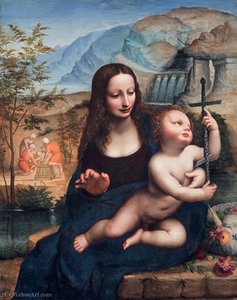
Perhaps Yáñez’s most celebrated work is “Madonna of the Yarnwinder,” completed around 1506. This painting, housed in The Metropolitan Museum of Art, exemplifies his mastery of sfumato—a technique pioneered by Leonardo da Vinci—and represents a significant departure from prevailing Flemish artistic conventions. The composition depicts Mary seated amidst a landscape, gazing intently at a niddy-noddy basket filled with spun yarn. The infant Jesus rests upon the basket, mirroring the cross symbol and conveying a profound meditation on maternal devotion and divine grace. Yáñez’s innovative use of light and shadow—characteristic of Leonardo's style—creates an ethereal atmosphere that transcends mere representation, inviting contemplation and eliciting emotional resonance. It is considered one of Leonardo’s most influential works, demonstrating his ability to transform established artistic traditions into something entirely new.Collaboration with Leonardo da Vinci: Shaping Artistic Discourse
Yáñez's association with Leonardo da Vinci represents a cornerstone of Renaissance art history. Their encounter in Florence during the tumultuous years following the French invasion of Milan fostered an intellectual exchange that profoundly impacted both artists’ creative visions. Yáñez absorbed Da Vinci’s groundbreaking techniques—particularly sfumato—and incorporated them into his own paintings, elevating Valencian art to new heights of sophistication and artistic excellence. This collaboration underscored the importance of humanist ideals in shaping artistic practice and propelled Yáñez—along with other Spanish painters—to become leaders in disseminating Leonardo's innovations throughout Europe.Legacy and Historical Significance
Fernando Yáñez de la Almedina’s contribution to Renaissance art extends beyond individual masterpieces; he served as a catalyst for artistic transformation within Spain, establishing Valencia as a vibrant center of humanist creativity. His unwavering dedication to stylistic innovation—inspired by Leonardo da Vinci—and his masterful execution of religious iconography ensured that his legacy would endure through the centuries. Today, Yáñez’s paintings continue to captivate audiences worldwide, serving as enduring symbols of Renaissance splendor and demonstrating the transformative power of artistic dialogue across borders. He remains a pivotal figure in Spanish art history, embodying the spirit of humanist inquiry and artistic experimentation that defined the era.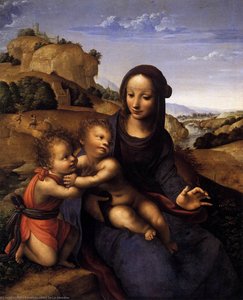
fernando yáñez de la almedina
1459 - 1537
Quick Facts
- Artistic Movement Or Style: High Renaissance
- Artists Or Movements Influenced By This Artist: ['Raphael']
- Artists Who Influenced This Artist: ['Leonardo da Vinci']
- Date Of Death: 1537
- Full Name: Fernando Yáñez de la Almedina
- Nationality: Spanish
- Notable Artworks:
- Madonna and Child with the Infant Saint John
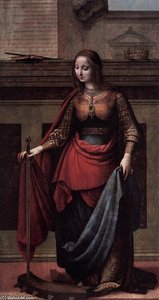
- Saint Catherine
- Place Of Birth: Almedina, Spain
Related Articles

John Singer Sargent's 25 Masterpieces: Portraits & Beyond | ArtsDot
Explore 25 iconic John Singer Sargent paintings – from dazzling portraits to Impressionist landscapes. Discover the stories behind Madame X, El Jaleo & more! Find museum-quality art reproductions and elevate your home decor with ArtsDot.com.

John Constable's Masterpieces: Explore 25 Iconic Landscapes for Your Home
Journey through John Constable's 25 most celebrated landscapes. Explore Romanticism, Dedham Vale & his masterful use of light in iconic paintings like 'Hay Wain'. Find museum-quality art reproductions and elevate your home decor on ArtsDot.com.
Raphael's Masterpieces: 25 Iconic Paintings & Renaissance Art for Your Home
Explore 25 breathtaking Raphael paintings! Journey through the Italian Renaissance with masterpieces like 'School of Athens' & iconic Madonnas. Find museum-quality art reproductions and elevate your home decor on ArtsDot.com.

El Greco's Masterpieces: Explore 25 Iconic Paintings & Spiritual Visions | ArtsDot
Journey through El Greco's 25 most iconic paintings! Explore the spiritual depth & dramatic beauty of this Spanish Renaissance master. Discover art history, techniques & find museum-quality reproductions for your home at ArtsDot.com.
Uffizi's 25 Masterpieces: Renaissance Art & Timeless Decor Inspiration
Journey through the Uffizi Gallery's 25 most iconic Renaissance artworks! Explore Botticelli, Leonardo da Vinci & Michelangelo’s masterpieces. Find museum-quality art reproductions and curated decor ideas to bring timeless Italian beauty into your home. Discover all masterpieces on ArtsDot.com