

 Preview
 Send
Send Share
Share
 Details

 Download
 Similars
 X-Ray
X-Ray Diaporama
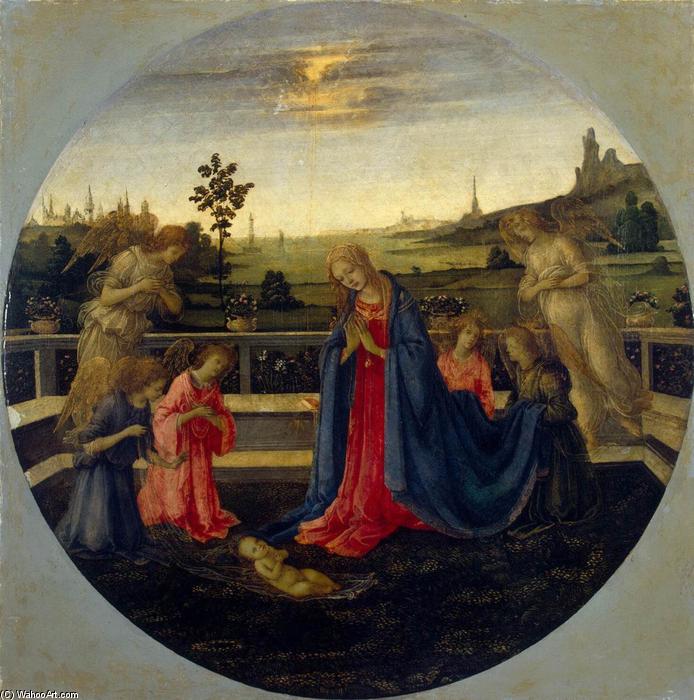
Adoration of the Child
 Oil On Canvas
- WallArt
- High Renaissance
 1480
1480- Renaissance
 83.0 x 83.0 cm
 Hermitage Museum
 Read More
Purchase a high-resolution, enhanced digital image, far superior to the online preview.
Each file is meticulously prepared by our in-house specialists using advanced tools and expert manual retouching. We ensure every image has exceptional clarity, precise color accuracy, and fine detail.
The final file is delivered via email within 72 hours, optimized for immediate use in professional, editorial, and print environments. This is the same quality trusted by top-tier design studios, publishers, and galleries.
Digital Image
Download a high-resolution file for personal display, printing, and creative projects. ( Buy Print Buy Hand Made Painting)
Included in Every Digital Image Order
Expert Digital Delivery, Guaranteed
When you choose ArtsDot.com, you're not just getting an image - you're receiving a professionally enhanced digital artwork, crafted with precision and backed by a satisfaction guarantee. Here's everything that comes with your order, automatically:

Fast Email Delivery
Your high-resolution digital image file will be emailed to you within 72 hours of ordering - ready for immediate use.

AI-Enhanced Digital File
Your artwork is professionally optimized using advanced AI tools and manual editing, ensuring maximum detail, clarity, and color accuracy.

Free Lifetime Re-Delivery
Accidentally deleted or lost your file? No worries - we'll resend it to you anytime, free of charge.

No Import Fees - Ever
Enjoy your artwork instantly with zero customs, duties, or delivery fees - digital downloads are always tax-free.

Color Accuracy Guarantee
We ensure your digital image reflects the original colors as closely as possible using professional tools and color management.

60-Day Satisfaction Guarantee
If you're not satisfied with your digital image, we'll revise it or refund 100% within 60 days - no questions asked.

100% Money-Back Guarantee
Not satisfied? Get a full refund within 60 days of receiving your digital file - no questions asked.

Bulk Order Discounts
Buy 3 images, save 10% - Buy 5, save 15% - Buy 10+, save 20%. Great for creative projects, galleries, and agencies.
Collectible Description
A Divine Embrace in Early Renaissance Light
Gazing upon this depiction of the Adoration of the Child is to step directly into the luminous heart of Quattrocento Florence. The scene unfolds with an almost palpable tenderness, capturing that sacred moment where divinity meets human intimacy. Mary cradles the infant Jesus, whose small form rests gently in her arms, drawing the viewer immediately into the circle of adoration. This painting, executed around 1480 by Filippino Lippi, is a masterful testament to the burgeoning emotionalism and technical refinement characterizing the early Italian Renaissance. The composition itself suggests an outdoor setting, bathed in what feels like natural, gentle daylight filtering through unseen foliage.
Mastery of Form and Figure
Filippino Lippi, whose career blossomed under the shadow of giants like Botticelli and Ghirlandaio, demonstrates a remarkable ability to imbue his figures with both classical grace and profound humanity. Observe the surrounding figures; they are not mere placeholders but participants in a devotional moment. The presence of angels, hovering or kneeling nearby, elevates the narrative from a simple portrait to an epic spiritual event. Technically, Lippi’s handling of drapery is exquisite—the folds seem weighted with meaning, catching the light and suggesting the rich textures of period garments. Even the inclusion of potted plants, one near the upper left and another on the right, anchors the divine drama within a recognizable, earthly space.
Symbolism Woven into the Landscape
Every element in this Adoration speaks to layers of theological meaning. The central focus remains the connection between mother and child, an echo of human nurturing elevated to the sublime. The surrounding figures—the standing person to Mary's left, the figure behind her—act as witnesses, their gazes directing our attention back to the core mystery. In Renaissance art, such settings were rarely accidental; the grassy ground suggests paradise regained, while the careful placement of flora often symbolizes life, renewal, or even specific virtues associated with the Virgin Mary. It is a visual sermon rendered in oil paint.
A Touch of High Renaissance Emotion
While dating to an early period in Lippi’s development, this work already hints at the emotional depth that would define his maturity. There is a palpable sense of quiet awe permeating the air—it is not the dramatic fervor of later Baroque works, but rather a deep, internalized reverence. For collectors and designers seeking art that speaks to enduring themes of grace and connection, this piece offers unparalleled resonance. Reproducing such an artwork allows one to bring the sophisticated palette and gentle narrative power of the Italian Renaissance into a modern sanctuary, transforming a wall into a portal of quiet contemplation.
Related Artworks
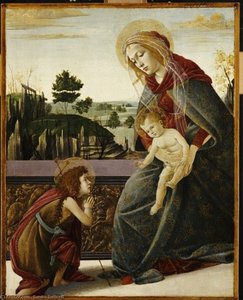
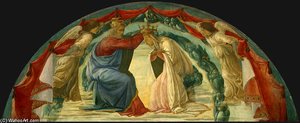
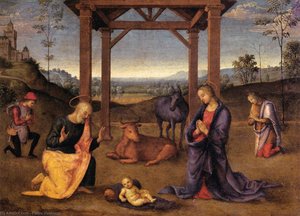
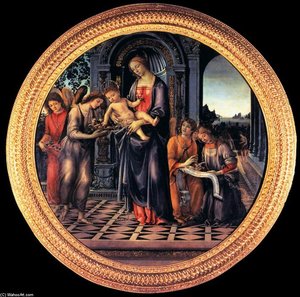
Artist Biography
Early Life and Training
- Born: April 1457, Prato, Italy
- Died: April 1504
- Parents: Fra Filippo Lippi (painter) and Lucrezia Buti
- Filippino was the illegitimate son of a renowned painter.
- Early training under his father laid the foundation for his artistic career.
Artistic Career and Development
- Early Period (1475-1480): Initial works, such as Madonnas, showed a less refined style. These were initially attributed to an anonymous artist known as "amico di Sandro."
- Evolution (1480-1485): Development of a more personal and effective approach in works like the *Journeys of Tobias*.
- Maturity (1485-1504): Mastery of the High Renaissance style, exemplified by *The Apparition of Christ to the Virgin*.
Major Works and Collaborations
- Collaboration with Perugino, Ghirlandaio, and Botticelli on frescoes at Lorenzo de' Medici’s villa.
- Completion of Masaccio's unfinished decoration in the Brancacci Chapel alongside Masolino.
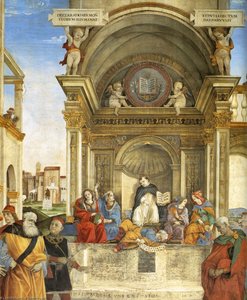
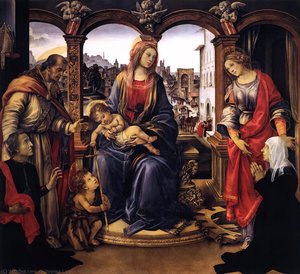
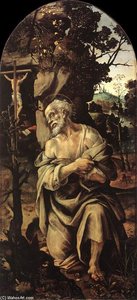
- Notable works include: *The Coronation of the Virgin*, *Tobias and the Angel*, *St Jerome*, and *Scene from the Life of St Thomas Aquinas*.
Influences and Artistic Style
- Early Influences: Sandro Botticelli, Fra Filippo Lippi.
- Style Characteristics: Animated form and line, warm colorism, detailed landscapes, expressive figures, and a blend of perspective geometry with intimate interiors.
- Roman Antiquities: Studies after Roman antiquities during his time in Rome influenced his work, incorporating an antique vocabulary into his art.
Historical Significance and Legacy
- A leading Florentine exponent of the tradition of great fresco cycles.
- His influence on the High Renaissance is undeniable.
- Works are found in museums worldwide, including the Uffizi Gallery in Florence.
- Known for bridging the gap between earlier Renaissance styles and the emerging High Renaissance aesthetic.
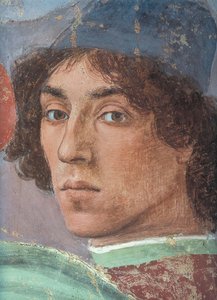
Filippino Lippi
1457 - 1504 , Italy
Quick Facts
- Artistic Movement Or Style: High Renaissance
- Artists Or Movements Influenced By This Artist: ['Raffaellino del Garbo']
- Artists Who Influenced This Artist:
- Fra Filippo Lippi
- Sandro Botticelli
- Date Of Birth: April 1457
- Date Of Death: April 1504
- Full Name: Filippino Lippi
- Nationality: Italian
- Notable Artworks:
- The Coronation of the Virgin
- Tobias and the Angel
- Scene from the Life of St Thomas Aquinas
- St Jerome
- Place Of Birth: Prato, Italy

