

 Preview
 Send
Send Share
Share
 Details

 Download
 Similars
 X-Ray
X-Ray Diaporama
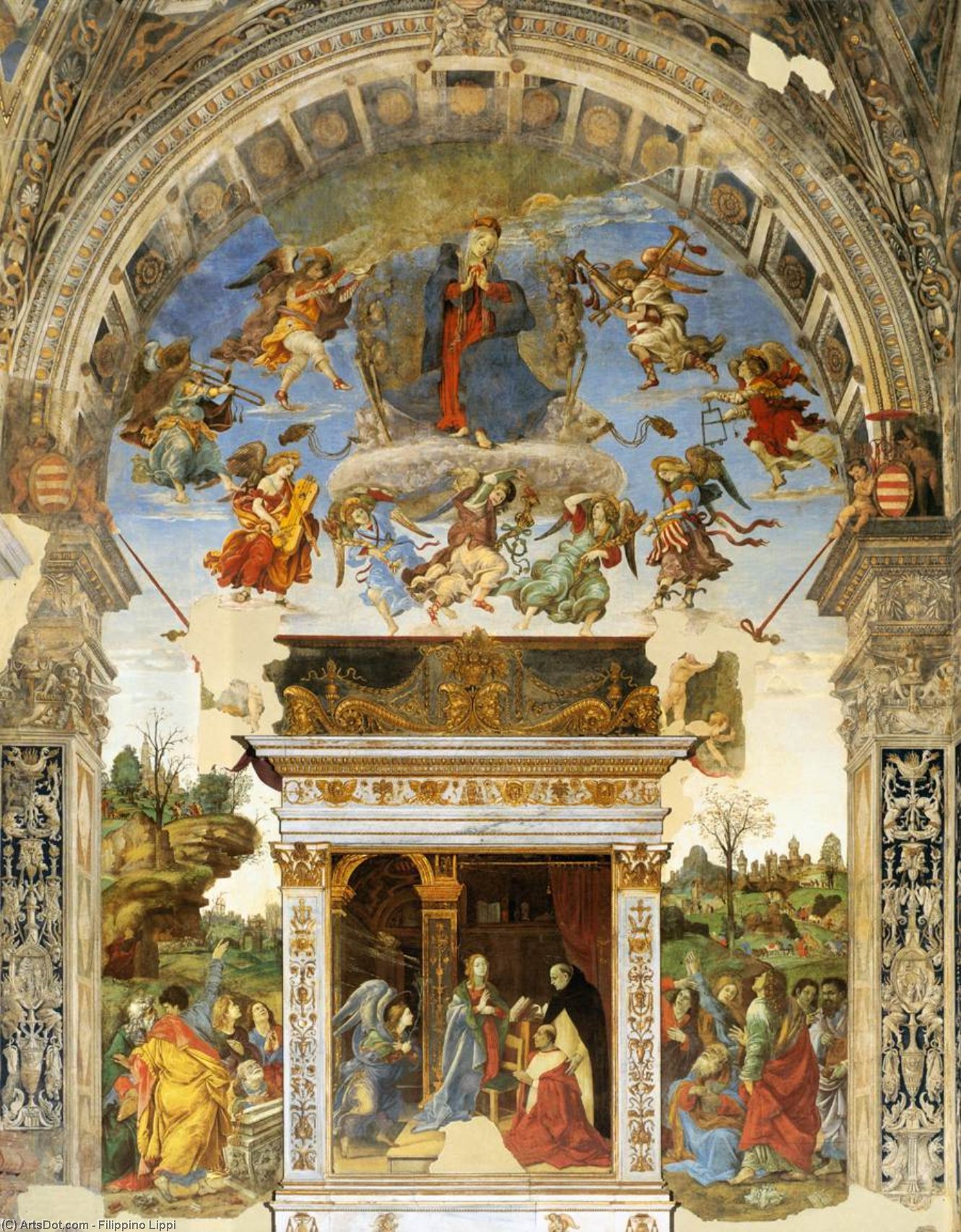
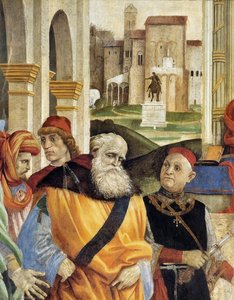
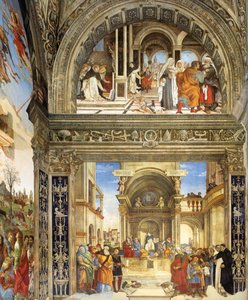
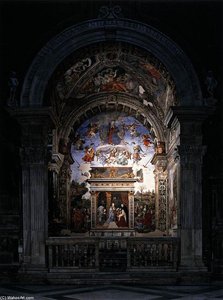
Altar wall of the Carafa Chapel


 Read More
Purchase a high-resolution, enhanced digital image, far superior to the online preview.
Each file is meticulously prepared by our in-house specialists using advanced tools and expert manual retouching. We ensure every image has exceptional clarity, precise color accuracy, and fine detail.
The final file is delivered via email within 72 hours, optimized for immediate use in professional, editorial, and print environments. This is the same quality trusted by top-tier design studios, publishers, and galleries.
Digital Image
Download a high-resolution file for personal display, printing, and creative projects. ( Buy Print Buy Hand Made Painting)
Included in Every Digital Image Order
Expert Digital Delivery, Guaranteed
When you choose ArtsDot.com, you're not just getting an image - you're receiving a professionally enhanced digital artwork, crafted with precision and backed by a satisfaction guarantee. Here's everything that comes with your order, automatically:

Fast Email Delivery
Your high-resolution digital image file will be emailed to you within 72 hours of ordering - ready for immediate use.

AI-Enhanced Digital File
Your artwork is professionally optimized using advanced AI tools and manual editing, ensuring maximum detail, clarity, and color accuracy.

Free Lifetime Re-Delivery
Accidentally deleted or lost your file? No worries - we'll resend it to you anytime, free of charge.

No Import Fees - Ever
Enjoy your artwork instantly with zero customs, duties, or delivery fees - digital downloads are always tax-free.

Color Accuracy Guarantee
We ensure your digital image reflects the original colors as closely as possible using professional tools and color management.

60-Day Satisfaction Guarantee
If you're not satisfied with your digital image, we'll revise it or refund 100% within 60 days - no questions asked.

100% Money-Back Guarantee
Not satisfied? Get a full refund within 60 days of receiving your digital file - no questions asked.

Bulk Order Discounts
Buy 3 images, save 10% - Buy 5, save 15% - Buy 10+, save 20%. Great for creative projects, galleries, and agencies.
Collectible Description
The Carafa Chapel’s Tapestry of Faith: Filippino Lippi's Masterpiece
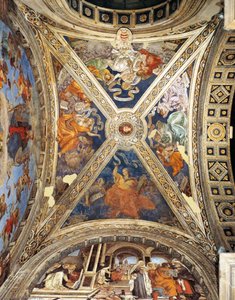
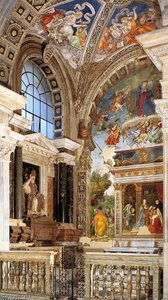
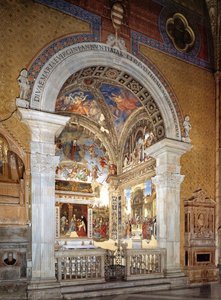
Within the serene confines of Santa Maria sopra Minerva in Rome lies a hidden treasure – the Carafa Chapel, a testament to the artistic genius of Filippino Lippi. Completed between 1489 and 1491, this fresco cycle isn’t merely decoration; it's a vibrant narrative woven with threads of religious devotion, classical mythology, and humanist ideals, offering a profound glimpse into the intellectual and spiritual landscape of Renaissance Italy. The chapel itself, commissioned by Cardinal Oliviero Carafa, stands as a symbol of his piety and patronage, providing the perfect setting for Lippi’s ambitious undertaking.
Lippi, a pivotal figure in the transition from Early to High Renaissance art, approached this commission with a distinctive style – a blend of meticulous detail, dynamic composition, and a subtle emotional depth. Unlike the stark realism championed by Masaccio, Lippi favored a more expressive approach, imbuing his figures with a palpable sense of movement and feeling. This is particularly evident in the central panels depicting the *Assumption* and *Annunciation*, where the Virgin Mary appears not as a static icon but as a radiant embodiment of grace and compassion. The elongated forms, characteristic of Lippi’s style, contribute to an almost dreamlike quality, inviting viewers into a realm of spiritual contemplation.
A Symphony of Figures: Depicting Biblical Narratives
The fresco cycle is structured around key biblical narratives, each meticulously rendered with remarkable skill. The *Triumph of St. Thomas Aquinas over Heresy*, for instance, isn’t simply a historical account but a potent allegory of faith battling against ignorance and corruption. Lippi masterfully employs perspective and spatial relationships to create a dramatic scene, positioning the saint as a beacon of truth amidst a swirling vortex of dissenting voices. The figures are not merely portraits; they are embodiments of virtues and vices, their gestures and expressions conveying a complex range of emotions.
Beyond the central panels, the chapel’s walls are adorned with scenes from the life of Mary and other saints. The *Journey of Tobias*, for example, showcases Lippi's ability to capture movement and narrative detail with remarkable precision. The figures are arranged in a dynamic composition, creating a sense of immediacy and engagement. Notice the intricate details – the folds of clothing, the expressions on the faces, the architectural settings – all contribute to the overall richness and complexity of the scene.
Symbolism and Humanist Influence
Lippi’s work is deeply infused with symbolism, reflecting the humanist values that were gaining prominence during the Renaissance. The use of classical motifs—such as the figures of Sibyls and prophets—references the rich intellectual heritage of ancient Greece and Rome. These figures aren't merely decorative elements; they represent the wisdom and knowledge that underpin Christian faith. The inclusion of allegorical figures, like the *Miracle of the Crucified Christ Praising St. Thomas*, further underscores this humanist influence, inviting viewers to contemplate the relationship between faith, reason, and human experience.
Furthermore, Lippi’s depiction of religious figures is remarkably humanistic in its portrayal. He avoids idealized representations, instead presenting them as relatable individuals with their own hopes, fears, and aspirations. This approach reflects a shift away from the more stylized depictions of earlier periods, signaling a growing emphasis on realism and psychological depth.
A Legacy of Beauty: Reproductions for Today
Today, reproductions of Filippino Lippi’s *Altar Wall of the Carafa Chapel* offer a captivating window into the artistic brilliance of the Renaissance. ArtsDot's meticulously crafted hand-painted reproductions capture the essence of Lippi’s original masterpiece, faithfully recreating its vibrant colors, intricate details, and profound emotional impact. Whether adorning a grand salon or a smaller space, these reproductions serve as a testament to the enduring power of art to inspire, uplift, and transport us to another time and place.
Consider how Lippi’s masterful use of light and shadow, combined with his dynamic composition, creates a sense of drama and movement. ArtsDot's reproductions strive to replicate this effect, ensuring that viewers can fully appreciate the beauty and complexity of this extraordinary work of art. Bring the spirit of the Carafa Chapel into your home – a timeless reminder of faith, knowledge, and artistic genius.
Related Artworks
Artist Biography
Early Life and Training
- Born: April 1457, Prato, Italy
- Died: April 1504
- Parents: Fra Filippo Lippi (painter) and Lucrezia Buti
- Filippino was the illegitimate son of a renowned painter.
- Early training under his father laid the foundation for his artistic career.
Artistic Career and Development
- Early Period (1475-1480): Initial works, such as Madonnas, showed a less refined style. These were initially attributed to an anonymous artist known as "amico di Sandro."
- Evolution (1480-1485): Development of a more personal and effective approach in works like the *Journeys of Tobias*.
- Maturity (1485-1504): Mastery of the High Renaissance style, exemplified by *The Apparition of Christ to the Virgin*.
Major Works and Collaborations
- Collaboration with Perugino, Ghirlandaio, and Botticelli on frescoes at Lorenzo de' Medici’s villa.
- Completion of Masaccio's unfinished decoration in the Brancacci Chapel alongside Masolino.
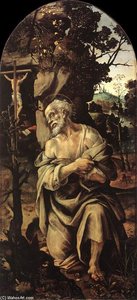
- Notable works include: *The Coronation of the Virgin*, *Tobias and the Angel*, *St Jerome*, and *Scene from the Life of St Thomas Aquinas*.
Influences and Artistic Style
- Early Influences: Sandro Botticelli, Fra Filippo Lippi.
- Style Characteristics: Animated form and line, warm colorism, detailed landscapes, expressive figures, and a blend of perspective geometry with intimate interiors.
- Roman Antiquities: Studies after Roman antiquities during his time in Rome influenced his work, incorporating an antique vocabulary into his art.
Historical Significance and Legacy
- A leading Florentine exponent of the tradition of great fresco cycles.
- His influence on the High Renaissance is undeniable.
- Works are found in museums worldwide, including the Uffizi Gallery in Florence.
- Known for bridging the gap between earlier Renaissance styles and the emerging High Renaissance aesthetic.
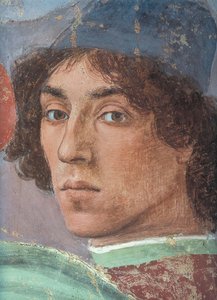
Filippino Lippi
1457 - 1504 , Italy
Quick Facts
- Artistic Movement Or Style: High Renaissance
- Artists Or Movements Influenced By This Artist: ['Raffaellino del Garbo']
- Artists Who Influenced This Artist:
- Fra Filippo Lippi
- Sandro Botticelli
- Date Of Birth: April 1457
- Date Of Death: April 1504
- Full Name: Filippino Lippi
- Nationality: Italian
- Notable Artworks:
- The Coronation of the Virgin
- Tobias and the Angel
- Scene from the Life of St Thomas Aquinas
- St Jerome
- Place Of Birth: Prato, Italy

