

 Preview
 Send
Send Share
Share
 Details

 Download
 Similars
 X-Ray
X-Ray Diaporama
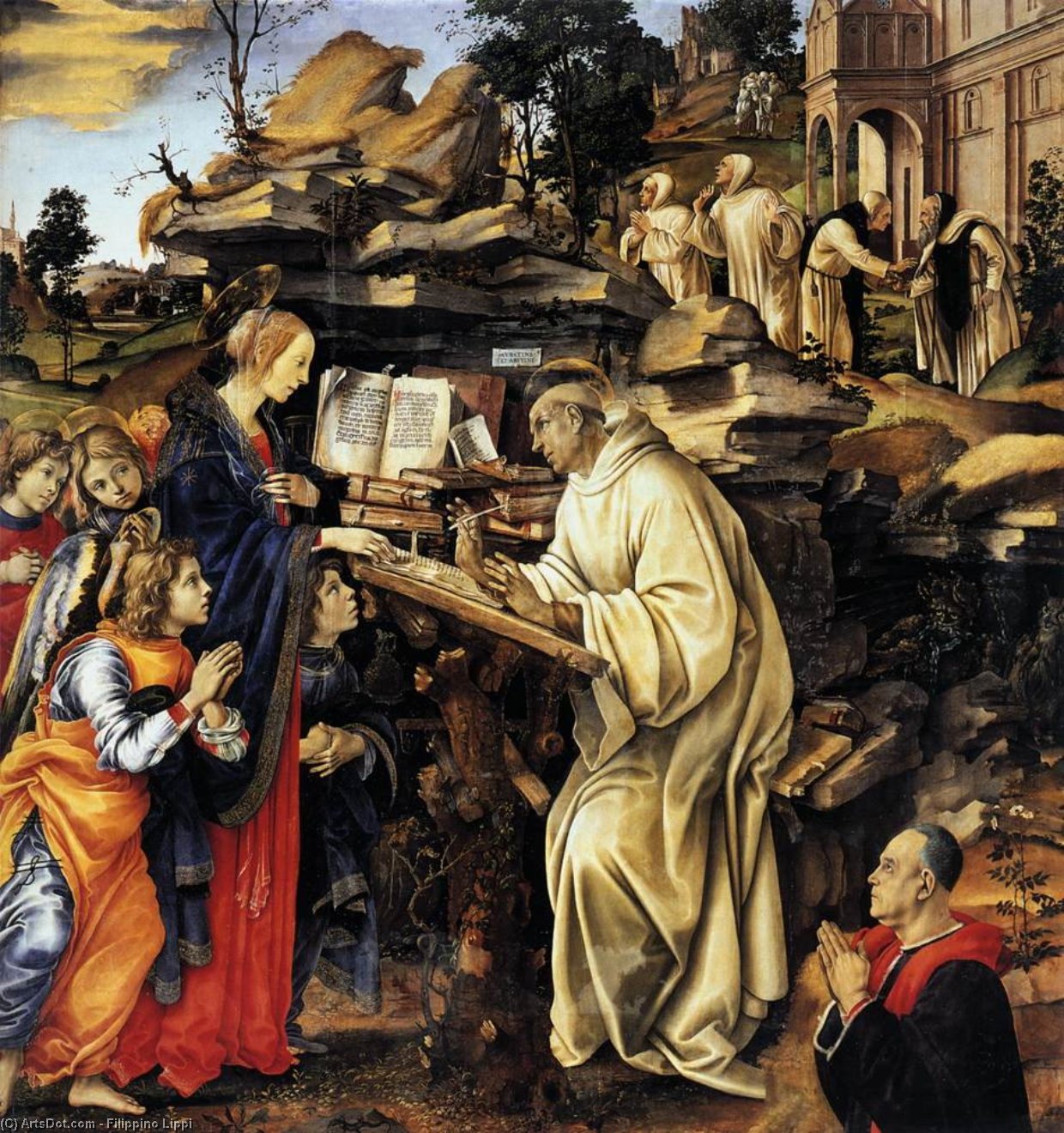
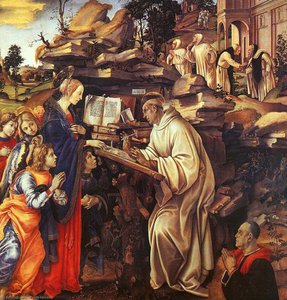
Apparition of The Virgin to St Bernard
 High Renaissance
 1486
1486- Renaissance
 210.0 x 195.0 cm
 Church of Badia
 Read More
Purchase a high-resolution, enhanced digital image, far superior to the online preview.
Each file is meticulously prepared by our in-house specialists using advanced tools and expert manual retouching. We ensure every image has exceptional clarity, precise color accuracy, and fine detail.
The final file is delivered via email within 72 hours, optimized for immediate use in professional, editorial, and print environments. This is the same quality trusted by top-tier design studios, publishers, and galleries.
Digital Image
Download a high-resolution file for personal display, printing, and creative projects. ( Buy Print Buy Hand Made Painting)
Included in Every Digital Image Order
Expert Digital Delivery, Guaranteed
When you choose ArtsDot.com, you're not just getting an image - you're receiving a professionally enhanced digital artwork, crafted with precision and backed by a satisfaction guarantee. Here's everything that comes with your order, automatically:

Fast Email Delivery
Your high-resolution digital image file will be emailed to you within 72 hours of ordering - ready for immediate use.

AI-Enhanced Digital File
Your artwork is professionally optimized using advanced AI tools and manual editing, ensuring maximum detail, clarity, and color accuracy.

Free Lifetime Re-Delivery
Accidentally deleted or lost your file? No worries - we'll resend it to you anytime, free of charge.

No Import Fees - Ever
Enjoy your artwork instantly with zero customs, duties, or delivery fees - digital downloads are always tax-free.

Color Accuracy Guarantee
We ensure your digital image reflects the original colors as closely as possible using professional tools and color management.

60-Day Satisfaction Guarantee
If you're not satisfied with your digital image, we'll revise it or refund 100% within 60 days - no questions asked.

100% Money-Back Guarantee
Not satisfied? Get a full refund within 60 days of receiving your digital file - no questions asked.

Bulk Order Discounts
Buy 3 images, save 10% - Buy 5, save 15% - Buy 10+, save 20%. Great for creative projects, galleries, and agencies.
Collectible Description
A Divine Encounter in the High Renaissance
In the profound stillness of the late fifteenth century, Filippino Lippi captured a moment of celestial intersection that continues to stir the souls of viewers centuries later. Apparition of The Virgin to St Bernard is not merely a depiction of a religious miracle; it is a masterclass in the atmospheric tension and spiritual luminosity characteristic of the High Renaissance. The scene unfolds within a rugged, evocative landscape where the earthly and the divine collide. As the eye wanders through the composition, one encounters the solemn figure of St. Bernard, draped in the pristine white robes of his order, caught in a state of profound spiritual receptivity. Beside him, the presence of holy figures and perhaps even angelic witnesses creates a layered narrative of devotion, where every fold of fabric and every distant mountain peak serves to ground this supernatural event in a tangible, breathtaking reality.
The technical brilliance of Lippi, a painter whose lineage traces back to the great Fra Filippo Lippi, is evident in the meticulous way he handles light and depth. The painting utilizes an upward perspective that invites the observer to look toward the heavens, mirroring the very ascent of prayer. Through a sophisticated use of chiaroscuro, the artist breathes life into the rocky terrain and the architectural remnants in the background, creating a sense of immense scale. The interplay of soft, ethereal light hitting the figures against the darker, more textured elements of the landscape creates a rhythmic visual harmony. For the discerning collector or interior designer, this piece offers a profound sense of verticality and grandeur, making it an ideal centerpiece for spaces that demand a touch of classical elegance and intellectual depth.
Symbolism and the Language of Devotion
Beyond its aesthetic splendor, the work is steeped in the symbolic language of the era. The books held by the central figures are not merely accessories; they represent the sacred scriptures and the weight of theological wisdom that underpins the monastic life. The very act of the apparition—the sudden, miraculous appearance of the Virgin—serves as a metaphor for divine grace breaking into the mundane world. Lippi employs a palette that balances the purity of white with the earthy tones of the Italian landscape, symbolizing the bridge between human mortality and eternal life. This duality makes the painting an emotionally resonant piece, capable of evoking feelings of peace, reverence, and awe.
Integrating such a significant work into a modern collection or a curated interior allows for a dialogue between history and contemporary design. The 210 x 195 cm scale of this reproduction provides a commanding presence, suitable for large-scale installations in galleries, libraries, or sophisticated living environments. It serves as more than decoration; it is an invitation to contemplate the sublime. Whether one is drawn to the intricate details of the Renaissance brushwork or the sweeping emotional narrative of the saint's vision, this masterpiece remains a timeless testament to the power of sacred art to transcend the boundaries of time and space.
Related Artworks

Artist Biography
Early Life and Training
- Born: April 1457, Prato, Italy
- Died: April 1504
- Parents: Fra Filippo Lippi (painter) and Lucrezia Buti
- Filippino was the illegitimate son of a renowned painter.
- Early training under his father laid the foundation for his artistic career.
Artistic Career and Development
- Early Period (1475-1480): Initial works, such as Madonnas, showed a less refined style. These were initially attributed to an anonymous artist known as "amico di Sandro."
- Evolution (1480-1485): Development of a more personal and effective approach in works like the *Journeys of Tobias*.
- Maturity (1485-1504): Mastery of the High Renaissance style, exemplified by *The Apparition of Christ to the Virgin*.
Major Works and Collaborations
- Collaboration with Perugino, Ghirlandaio, and Botticelli on frescoes at Lorenzo de' Medici’s villa.
- Completion of Masaccio's unfinished decoration in the Brancacci Chapel alongside Masolino.
- Notable works include: *The Coronation of the Virgin*, *Tobias and the Angel*, *St Jerome*, and *Scene from the Life of St Thomas Aquinas*.
Influences and Artistic Style
- Early Influences: Sandro Botticelli, Fra Filippo Lippi.
- Style Characteristics: Animated form and line, warm colorism, detailed landscapes, expressive figures, and a blend of perspective geometry with intimate interiors.
- Roman Antiquities: Studies after Roman antiquities during his time in Rome influenced his work, incorporating an antique vocabulary into his art.
Historical Significance and Legacy
- A leading Florentine exponent of the tradition of great fresco cycles.
- His influence on the High Renaissance is undeniable.
- Works are found in museums worldwide, including the Uffizi Gallery in Florence.
- Known for bridging the gap between earlier Renaissance styles and the emerging High Renaissance aesthetic.
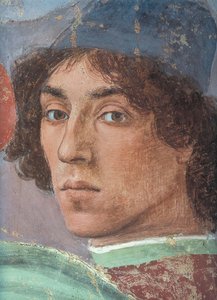
Filippino Lippi
1457 - 1504 , Italy
Quick Facts
- Artistic Movement Or Style: High Renaissance
- Artists Or Movements Influenced By This Artist: ['Raffaellino del Garbo']
- Artists Who Influenced This Artist:
- Fra Filippo Lippi
- Sandro Botticelli
- Date Of Birth: April 1457
- Date Of Death: April 1504
- Full Name: Filippino Lippi
- Nationality: Italian
- Notable Artworks:
- The Coronation of the Virgin
- Tobias and the Angel
- Scene from the Life of St Thomas Aquinas
- St Jerome
- Place Of Birth: Prato, Italy

