

 Preview
 Send
Send Share
Share
 Details

 Download
 Similars
 X-Ray
X-Ray Diaporama
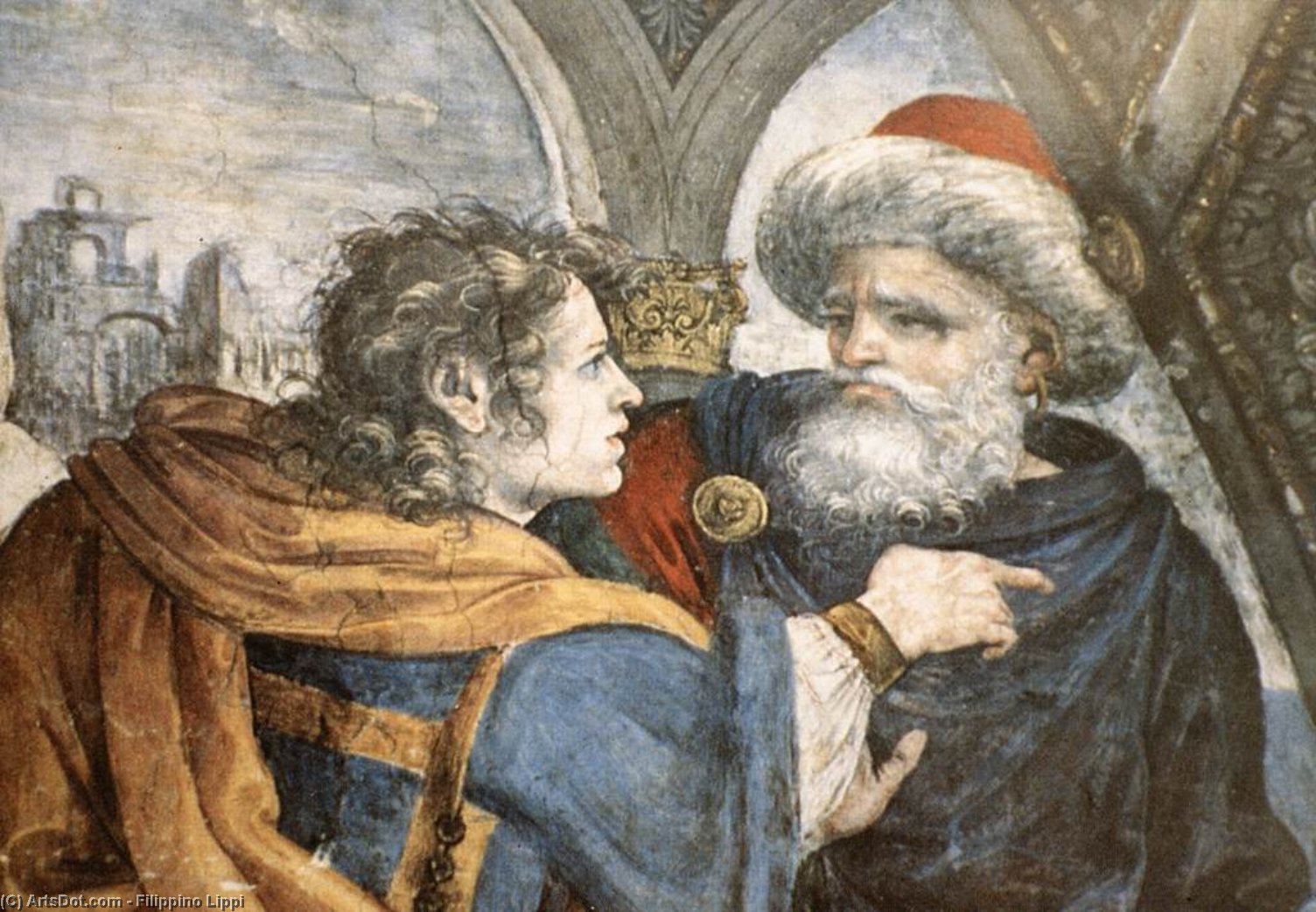
Scene from the Life of St Thomas Aquinas (detail)


 Read More
Purchase a high-resolution, enhanced digital image, far superior to the online preview.
Each file is meticulously prepared by our in-house specialists using advanced tools and expert manual retouching. We ensure every image has exceptional clarity, precise color accuracy, and fine detail.
The final file is delivered via email within 72 hours, optimized for immediate use in professional, editorial, and print environments. This is the same quality trusted by top-tier design studios, publishers, and galleries.
Digital Image
Download a high-resolution file for personal display, printing, and creative projects. ( Buy Print Buy Hand Made Painting)
Included in Every Digital Image Order
Expert Digital Delivery, Guaranteed
When you choose ArtsDot.com, you're not just getting an image - you're receiving a professionally enhanced digital artwork, crafted with precision and backed by a satisfaction guarantee. Here's everything that comes with your order, automatically:

Fast Email Delivery
Your high-resolution digital image file will be emailed to you within 72 hours of ordering - ready for immediate use.

AI-Enhanced Digital File
Your artwork is professionally optimized using advanced AI tools and manual editing, ensuring maximum detail, clarity, and color accuracy.

Free Lifetime Re-Delivery
Accidentally deleted or lost your file? No worries - we'll resend it to you anytime, free of charge.

No Import Fees - Ever
Enjoy your artwork instantly with zero customs, duties, or delivery fees - digital downloads are always tax-free.

Color Accuracy Guarantee
We ensure your digital image reflects the original colors as closely as possible using professional tools and color management.

60-Day Satisfaction Guarantee
If you're not satisfied with your digital image, we'll revise it or refund 100% within 60 days - no questions asked.

100% Money-Back Guarantee
Not satisfied? Get a full refund within 60 days of receiving your digital file - no questions asked.

Bulk Order Discounts
Buy 3 images, save 10% - Buy 5, save 15% - Buy 10+, save 20%. Great for creative projects, galleries, and agencies.
A Moment Frozen in Time: Filippino Lippi’s ‘Scene from the Life of St Thomas Aquinas’
Filippino Lippi's “Scene from the Life of St Thomas Aquinas (detail)” is more than just a painting; it’s a carefully constructed tableau vivant, a glimpse into the intellectual and spiritual currents of Renaissance Florence. Completed in 1489 and now residing within the hallowed halls of the Santa Maria sopra Minerva museum in Rome, this fresco captures a pivotal moment from the saint's life – a dialogue, perhaps a lesson imparted, radiating an aura of profound contemplation. The detail is astonishing; every fold of fabric, every expression on the faces of the figures, speaks to Lippi’s meticulous observation and his mastery of human form. It’s a work that invites prolonged study, revealing new nuances with each viewing.
The Artist and His Renaissance Vision
Filippino Lippi (1457-1504) was a pivotal figure in the Florentine art scene, a painter who navigated the complex transition between the Late Gothic and Early Renaissance styles. His early career was marked by collaboration – he worked alongside masters like Perugino and Botticelli on the magnificent frescoes of Lorenzo de’ Medici's villa at Careggi. This experience undoubtedly shaped his approach, exposing him to diverse techniques and artistic philosophies. Lippi wasn’t simply a follower; he developed a distinctive style characterized by harmonious colors, an almost tactile quality to his brushwork, and a remarkable ability to convey emotion through subtle gestures and facial expressions. His work often blended religious themes with humanist ideals, reflecting the intellectual ferment of the era – a fascination with classical antiquity intertwined with deep faith.
Decoding the Scene: Symbolism and Narrative
The fresco depicts two men engaged in conversation, an older figure holding his hand up towards the younger one. The precise nature of their exchange remains open to interpretation, but it’s undeniably charged with significance. The elder's gesture – a raised hand, almost as if offering guidance or correction – suggests instruction, perhaps even a rebuke. The younger man’s attentive posture indicates receptivity and a willingness to learn. Adding layers of meaning are the two dogs flanking the scene; in Renaissance iconography, dogs often represent loyalty, fidelity, and guardianship—qualities highly valued in both religious and secular life. The birds soaring above, one directed towards the younger man, could symbolize divine inspiration or the pursuit of knowledge. The overall composition feels deliberately balanced, creating a sense of quiet intensity.
Technique and Material: A Masterful Fresco
Lippi’s technique is particularly noteworthy for its immediacy and vibrancy. As a fresco artist, he worked directly onto wet plaster, applying pigments that would permanently bind to the surface. This method demanded speed and precision, requiring him to complete sections of the painting rapidly. The resulting image possesses an astonishing luminosity—the colors retain their brilliance after centuries, a testament to Lippi’s skill in mixing pigments and understanding the properties of fresco paint. The detail is remarkable; one can discern individual strands of hair, the texture of clothing, and even the subtle shadows cast by the figures. This level of realism was achieved through careful observation and a deep understanding of anatomy and perspective – hallmarks of Lippi’s artistic prowess.
Today, high-quality reproductions of “Scene from the Life of St Thomas Aquinas (detail)” are available at ArtsDot.com, offering art enthusiasts a chance to bring this captivating Renaissance masterpiece into their homes or offices. These meticulously crafted prints capture the essence of Lippi’s original work, allowing you to appreciate its beauty and complexity for years to come.
Related Artworks

Artist Biography
Early Life and Training
- Born: April 1457, Prato, Italy
- Died: April 1504
- Parents: Fra Filippo Lippi (painter) and Lucrezia Buti
- Filippino was the illegitimate son of a renowned painter.
- Early training under his father laid the foundation for his artistic career.
Artistic Career and Development
- Early Period (1475-1480): Initial works, such as Madonnas, showed a less refined style. These were initially attributed to an anonymous artist known as "amico di Sandro."
- Evolution (1480-1485): Development of a more personal and effective approach in works like the *Journeys of Tobias*.
- Maturity (1485-1504): Mastery of the High Renaissance style, exemplified by *The Apparition of Christ to the Virgin*.
Major Works and Collaborations
- Collaboration with Perugino, Ghirlandaio, and Botticelli on frescoes at Lorenzo de' Medici’s villa.
- Completion of Masaccio's unfinished decoration in the Brancacci Chapel alongside Masolino.
- Notable works include: *The Coronation of the Virgin*, *Tobias and the Angel*, *St Jerome*, and *Scene from the Life of St Thomas Aquinas*.
Influences and Artistic Style
- Early Influences: Sandro Botticelli, Fra Filippo Lippi.
- Style Characteristics: Animated form and line, warm colorism, detailed landscapes, expressive figures, and a blend of perspective geometry with intimate interiors.
- Roman Antiquities: Studies after Roman antiquities during his time in Rome influenced his work, incorporating an antique vocabulary into his art.
Historical Significance and Legacy
- A leading Florentine exponent of the tradition of great fresco cycles.
- His influence on the High Renaissance is undeniable.
- Works are found in museums worldwide, including the Uffizi Gallery in Florence.
- Known for bridging the gap between earlier Renaissance styles and the emerging High Renaissance aesthetic.
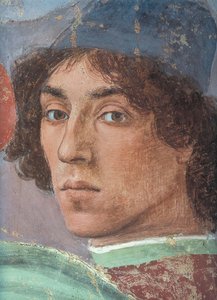
Filippino Lippi
1457 - 1504 , Italy
Quick Facts
- Artistic Movement Or Style: High Renaissance
- Artists Or Movements Influenced By This Artist: ['Raffaellino del Garbo']
- Artists Who Influenced This Artist:
- Fra Filippo Lippi
- Sandro Botticelli
- Date Of Birth: April 1457
- Date Of Death: April 1504
- Full Name: Filippino Lippi
- Nationality: Italian
- Notable Artworks:
- The Coronation of the Virgin
- Tobias and the Angel
- Scene from the Life of St Thomas Aquinas
- St Jerome
- Place Of Birth: Prato, Italy

