

 Preview
 Send
Send Share
Share
 Details

 Download
 Similars
 X-Ray
X-Ray Diaporama
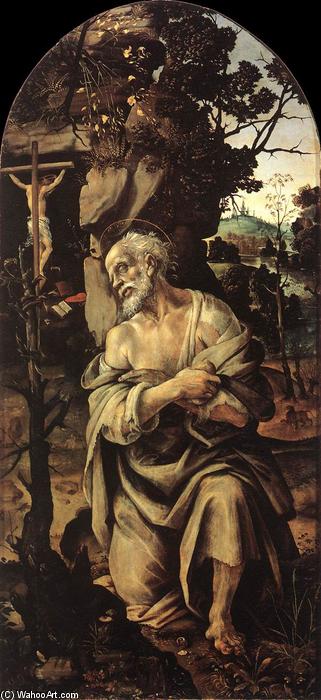
St Jerome
 Oil On Canvas
- WallArt
- Renaissance Art
 1490
1490 136.0 x 71.0 cm
 Galleria degli Uffizi
 Read More
Purchase a high-resolution, enhanced digital image, far superior to the online preview.
Each file is meticulously prepared by our in-house specialists using advanced tools and expert manual retouching. We ensure every image has exceptional clarity, precise color accuracy, and fine detail.
The final file is delivered via email within 72 hours, optimized for immediate use in professional, editorial, and print environments. This is the same quality trusted by top-tier design studios, publishers, and galleries.
Digital Image
Download a high-resolution file for personal display, printing, and creative projects. ( Buy Print Buy Hand Made Painting)
Included in Every Digital Image Order
Expert Digital Delivery, Guaranteed
When you choose ArtsDot.com, you're not just getting an image - you're receiving a professionally enhanced digital artwork, crafted with precision and backed by a satisfaction guarantee. Here's everything that comes with your order, automatically:

Fast Email Delivery
Your high-resolution digital image file will be emailed to you within 72 hours of ordering - ready for immediate use.

AI-Enhanced Digital File
Your artwork is professionally optimized using advanced AI tools and manual editing, ensuring maximum detail, clarity, and color accuracy.

Free Lifetime Re-Delivery
Accidentally deleted or lost your file? No worries - we'll resend it to you anytime, free of charge.

No Import Fees - Ever
Enjoy your artwork instantly with zero customs, duties, or delivery fees - digital downloads are always tax-free.

Color Accuracy Guarantee
We ensure your digital image reflects the original colors as closely as possible using professional tools and color management.

60-Day Satisfaction Guarantee
If you're not satisfied with your digital image, we'll revise it or refund 100% within 60 days - no questions asked.

100% Money-Back Guarantee
Not satisfied? Get a full refund within 60 days of receiving your digital file - no questions asked.

Bulk Order Discounts
Buy 3 images, save 10% - Buy 5, save 15% - Buy 10+, save 20%. Great for creative projects, galleries, and agencies.
Collectible Description
A Moment of Contemplation: Exploring Filippino Lippi’s St Jerome
The painting “St Jerome” by Filippino Lippi stands as a testament to the artistic fervor of the High Renaissance, capturing not merely an image but an essence—a profound stillness born from deep reflection. Executed in 1490, this oil on canvas masterpiece resides within the Galleria degli Uffizi in Florence, Italy, offering visitors a glimpse into a pivotal period of artistic innovation and spiritual contemplation. Lippi’s meticulous attention to detail elevates the scene beyond mere representation, transforming it into an immersive experience for the viewer.The Artist's Vision: Filippino Lippi and His Renaissance Style
Filippino Lippi (1457-1504), born illegitimate son of Fra Filippo Lippi—a celebrated painter himself—received his formative artistic training under his father’s tutelage. This early influence instilled in him a dedication to realism and expressive artistry, characteristics that would define his oeuvre throughout his career. Unlike many artists of the time who prioritized idealized beauty, Lippi sought to portray figures with palpable humanity, capturing subtle nuances of emotion and gesture. His style aligns perfectly with the broader Renaissance movement’s embrace of classical ideals blended with humanist observation—a harmonious synthesis evident in every brushstroke. He was particularly renowned for his frescoes depicting biblical narratives, demonstrating a masterful command of perspective and color palettes that aimed to evoke profound spiritual resonance.A Study Illuminated: Composition and Technique
The painting depicts St Jerome seated on a rock or wall, bathed in diffused natural light—a deliberate choice by Lippi that underscores the saint’s inner solitude. His posture exudes calm deliberation; he leans forward slightly, hand raised to his forehead as if absorbed in prayer or reading scripture. The landscape surrounding him—characterized by mature trees and foliage—provides a tranquil backdrop, reinforcing the atmosphere of contemplative piety. Lippi skillfully employed oil paint on canvas, utilizing layering techniques to achieve remarkable depth and luminosity. Careful blending creates soft gradations of color, enhancing the sense of realism and conveying the subtle nuances of light and shadow. The inclusion of a small lion figure in the upper left corner is laden with symbolic significance—a reference to legend recounting St Jerome’s triumph over wild beasts through divine intervention. This emblem speaks to themes of faith overcoming adversity and embodies the saint's unwavering devotion.Historical Context: Florence Under Lorenzo de' Medici
“St Jerome” was created during the reign of Lorenzo de' Medici, known as “Il Magnifico,” who presided over a golden age of Florentine culture and artistic patronage. The villa where Lippi executed these frescoes served as a focal point for humanist intellectual discourse and artistic experimentation—a microcosm of Renaissance ideals. Artists like Lippi actively engaged with classical scholarship and sought to emulate the grandeur and beauty of ancient art forms, resulting in works that celebrated human potential and spiritual aspiration. The Galleria degli Uffizi itself stands as a monument to this legacy, housing an unparalleled collection of masterpieces from across Europe.Emotional Resonance: Capturing Inner Sanctity
Ultimately, Filippino Lippi’s “St Jerome” transcends mere visual representation; it communicates a profound emotional depth. The painting's subdued color palette—dominated by earthy tones—mirrors the saint’s contemplative mood, inviting viewers to contemplate themes of humility and spiritual fortitude. More than just depicting a biblical figure, Lippi captures an intangible quality—the stillness of contemplation itself—a reminder that true beauty resides not only in outward appearance but also in inner serenity. It remains a powerful testament to the enduring legacy of Renaissance art and its ability to inspire awe and reverence.Related Artworks
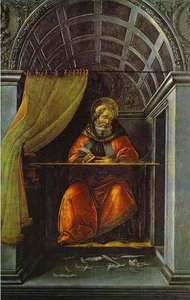

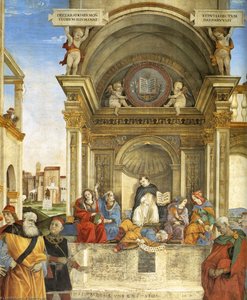
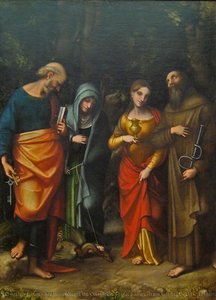

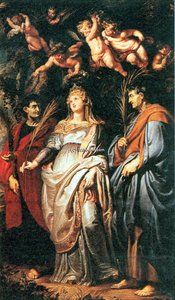

Artist Biography
Early Life and Training
- Born: April 1457, Prato, Italy
- Died: April 1504
- Parents: Fra Filippo Lippi (painter) and Lucrezia Buti
- Filippino was the illegitimate son of a renowned painter.
- Early training under his father laid the foundation for his artistic career.
Artistic Career and Development
- Early Period (1475-1480): Initial works, such as Madonnas, showed a less refined style. These were initially attributed to an anonymous artist known as "amico di Sandro."
- Evolution (1480-1485): Development of a more personal and effective approach in works like the *Journeys of Tobias*.
- Maturity (1485-1504): Mastery of the High Renaissance style, exemplified by *The Apparition of Christ to the Virgin*.
Major Works and Collaborations
- Collaboration with Perugino, Ghirlandaio, and Botticelli on frescoes at Lorenzo de' Medici’s villa.
- Completion of Masaccio's unfinished decoration in the Brancacci Chapel alongside Masolino.
- Notable works include: *The Coronation of the Virgin*, *Tobias and the Angel*, *St Jerome*, and *Scene from the Life of St Thomas Aquinas*.
Influences and Artistic Style
- Early Influences: Sandro Botticelli, Fra Filippo Lippi.
- Style Characteristics: Animated form and line, warm colorism, detailed landscapes, expressive figures, and a blend of perspective geometry with intimate interiors.
- Roman Antiquities: Studies after Roman antiquities during his time in Rome influenced his work, incorporating an antique vocabulary into his art.
Historical Significance and Legacy
- A leading Florentine exponent of the tradition of great fresco cycles.
- His influence on the High Renaissance is undeniable.
- Works are found in museums worldwide, including the Uffizi Gallery in Florence.
- Known for bridging the gap between earlier Renaissance styles and the emerging High Renaissance aesthetic.
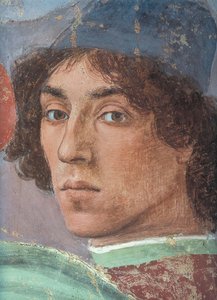
Filippino Lippi
1457 - 1504 , Italy
Quick Facts
- Artistic Movement Or Style: High Renaissance
- Artists Or Movements Influenced By This Artist: ['Raffaellino del Garbo']
- Artists Who Influenced This Artist:
- Fra Filippo Lippi
- Sandro Botticelli
- Date Of Birth: April 1457
- Date Of Death: April 1504
- Full Name: Filippino Lippi
- Nationality: Italian
- Notable Artworks:
- The Coronation of the Virgin
- Tobias and the Angel
- Scene from the Life of St Thomas Aquinas
- St Jerome
- Place Of Birth: Prato, Italy

