

 Preview
 Send
Send Share
Share
 Details

 Download
 Similars
 X-Ray
X-Ray Diaporama
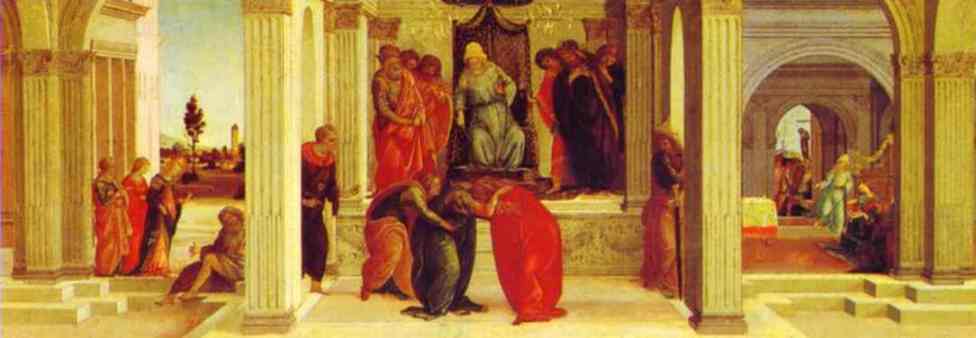
Three Scenes from the Story of Esther


 Read More
Purchase a high-resolution, enhanced digital image, far superior to the online preview.
Each file is meticulously prepared by our in-house specialists using advanced tools and expert manual retouching. We ensure every image has exceptional clarity, precise color accuracy, and fine detail.
The final file is delivered via email within 72 hours, optimized for immediate use in professional, editorial, and print environments. This is the same quality trusted by top-tier design studios, publishers, and galleries.
Digital Image
Download a high-resolution file for personal display, printing, and creative projects. ( Buy Print Buy Hand Made Painting)
Included in Every Digital Image Order
Expert Digital Delivery, Guaranteed
When you choose ArtsDot.com, you're not just getting an image - you're receiving a professionally enhanced digital artwork, crafted with precision and backed by a satisfaction guarantee. Here's everything that comes with your order, automatically:

Fast Email Delivery
Your high-resolution digital image file will be emailed to you within 72 hours of ordering - ready for immediate use.

AI-Enhanced Digital File
Your artwork is professionally optimized using advanced AI tools and manual editing, ensuring maximum detail, clarity, and color accuracy.

Free Lifetime Re-Delivery
Accidentally deleted or lost your file? No worries - we'll resend it to you anytime, free of charge.

No Import Fees - Ever
Enjoy your artwork instantly with zero customs, duties, or delivery fees - digital downloads are always tax-free.

Color Accuracy Guarantee
We ensure your digital image reflects the original colors as closely as possible using professional tools and color management.

60-Day Satisfaction Guarantee
If you're not satisfied with your digital image, we'll revise it or refund 100% within 60 days - no questions asked.

100% Money-Back Guarantee
Not satisfied? Get a full refund within 60 days of receiving your digital file - no questions asked.

Bulk Order Discounts
Buy 3 images, save 10% - Buy 5, save 15% - Buy 10+, save 20%. Great for creative projects, galleries, and agencies.
Collectible Description
Three Scenes from the Story of Esther by Filippino Lippi
This magnificent depiction of biblical narrative—the tale of Esther, Queen of Persia—stands as a testament to the artistic prowess of Filippino Lippi and embodies the spirit of High Renaissance Florence. Commissioned for a lavish wedding chest (forzieri) destined for a wealthy Florentine family, these six panels represent a pivotal moment in Christian iconography and showcase Lippi’s masterful command of perspective and color.A Symphony of Color and Composition
The overall impression is one of grandeur and solemn reverence. Dominating the scene is a monumental architectural setting—a colonnaded hall adorned with arches—designed to convey both stability and divine majesty. The palette leans heavily into warm earth tones: ochre, browns, and reds – hues that evoke the richness of Florentine aristocratic interiors during Lippi’s time. Strategic use of gold leaf highlights key figures, particularly within the central panel depicting Mary holding Jesus, emphasizing their spiritual significance. Lines delineate architectural elements with precision, while organic shapes—primarily human forms—are rendered with remarkable realism, albeit subtly idealized. The diffused lighting contributes to a serene atmosphere and draws attention to the focal points of the composition.Renaissance Innovation Bridging Faith & Humanism
Filippino Lippi’s artistic journey began under the tutelage of Sandro Botticelli, marking him as a pivotal figure in Florentine Renaissance art. Early works like *Journeys of Tobias* demonstrated a nascent style characterized by an eagerness to explore innovative techniques and stylistic approaches. However, it was his collaboration with Masaccio on the Brancacci Chapel frescoes—a project tragically cut short by Masaccio’s untimely death—that cemented Lippi's reputation as a visionary artist committed to capturing human emotion and anatomical accuracy within a classical framework.The Narrative Power of Biblical Imagery
These six panels recount key episodes from Esther’s story, illustrating her courageous defiance against King Ahaseuerus’s decree to persecute the Jewish people. The central panel depicts Mary cradling Jesus—a deliberate allusion to the Virgin Mary and Child—representing divine compassion and embodying Christian theological symbolism. Surrounding Mary are onlookers who express sorrow and concern for the plight of the persecuted Jews, reinforcing the narrative's moral dimension. The meticulous depiction of drapery folds and architectural details underscores Lippi’s dedication to realism while simultaneously elevating the scene to a level of spiritual grandeur.A Legacy Enduring Through Time
The *Three Scenes from the Story of Esther* exemplify Lippi’s mastery of High Renaissance style, blending classical influences with humanist ideals. Their enduring appeal lies in their ability to convey profound emotion and theological contemplation—a testament to Lippi's artistic genius and his contribution to the visual language of Christian faith. The panels are now housed in prestigious museums across Europe and Canada, ensuring that this masterpiece continues to inspire admiration for generations to come.- Provenance: Originally commissioned for a wedding chest (forzieri) in Florence.
- Materials: Tempera on wood panel
- Dimensions: Approximately 48.5 × 131 cm
Additional Research:
Explore 'Three Scenes from the Story of Esther' by Filippino Lippi! A stunning Renaissance masterpiece featuring biblical narrative & classical architecture. Admire its rich detail & serene beauty. Explore 'Three Scenes from the Story of Esther' Discover Filippino Lippi, a Renaissance master bridging faith & humanism through innovative art. Learn More About Filippino LippiDetailed Analysis:
Recent infrared reflectography and x-ray imaging have revealed fascinating insights into the painting’s technique. Scholars believe that *La Derelitta* and *The Triumph of Mordecai* are entirely by Botticelli, while *Esther at the Palace Gate* may be attributed to Lippi alone, aided by another painter in the draperies.
Where to See It:
These panels can be found at The Musée Condé, Chantilly, France.
Related Artworks
Artist Biography
Early Life and Training
- Born: April 1457, Prato, Italy
- Died: April 1504
- Parents: Fra Filippo Lippi (painter) and Lucrezia Buti
- Filippino was the illegitimate son of a renowned painter.
- Early training under his father laid the foundation for his artistic career.
Artistic Career and Development
- Early Period (1475-1480): Initial works, such as Madonnas, showed a less refined style. These were initially attributed to an anonymous artist known as "amico di Sandro."
- Evolution (1480-1485): Development of a more personal and effective approach in works like the *Journeys of Tobias*.
- Maturity (1485-1504): Mastery of the High Renaissance style, exemplified by *The Apparition of Christ to the Virgin*.
Major Works and Collaborations
- Collaboration with Perugino, Ghirlandaio, and Botticelli on frescoes at Lorenzo de' Medici’s villa.
- Completion of Masaccio's unfinished decoration in the Brancacci Chapel alongside Masolino.
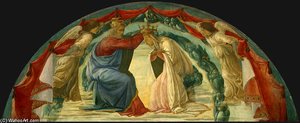
- Notable works include: *The Coronation of the Virgin*, *Tobias and the Angel*, *St Jerome*, and *Scene from the Life of St Thomas Aquinas*.
Influences and Artistic Style
- Early Influences: Sandro Botticelli, Fra Filippo Lippi.
- Style Characteristics: Animated form and line, warm colorism, detailed landscapes, expressive figures, and a blend of perspective geometry with intimate interiors.
- Roman Antiquities: Studies after Roman antiquities during his time in Rome influenced his work, incorporating an antique vocabulary into his art.
Historical Significance and Legacy
- A leading Florentine exponent of the tradition of great fresco cycles.
- His influence on the High Renaissance is undeniable.
- Works are found in museums worldwide, including the Uffizi Gallery in Florence.
- Known for bridging the gap between earlier Renaissance styles and the emerging High Renaissance aesthetic.
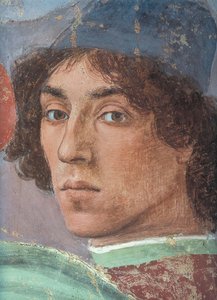
Filippino Lippi
1457 - 1504 , Italy
Quick Facts
- Artistic Movement Or Style: High Renaissance
- Artists Or Movements Influenced By This Artist: ['Raffaellino del Garbo']
- Artists Who Influenced This Artist:
- Fra Filippo Lippi
- Sandro Botticelli
- Date Of Birth: April 1457
- Date Of Death: April 1504
- Full Name: Filippino Lippi
- Nationality: Italian
- Notable Artworks:
- The Coronation of the Virgin
- Tobias and the Angel
- Scene from the Life of St Thomas Aquinas
- St Jerome
- Place Of Birth: Prato, Italy

