

 Send
Send Share
Share
 Details

 Download
 Similars
 Diaporama
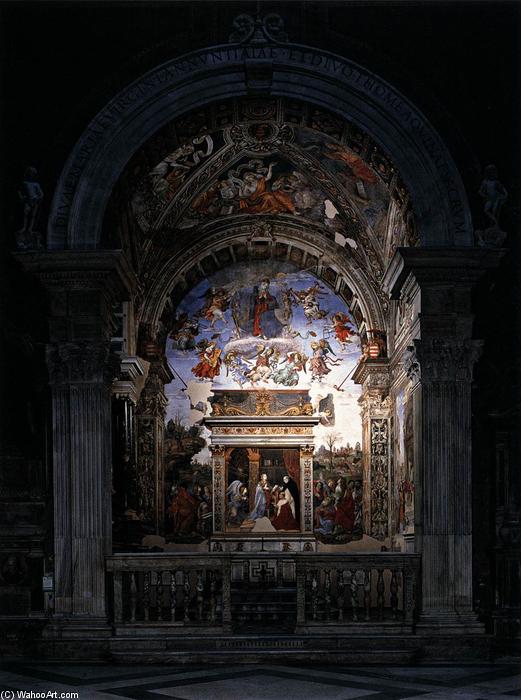
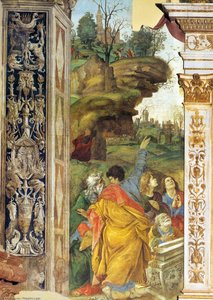
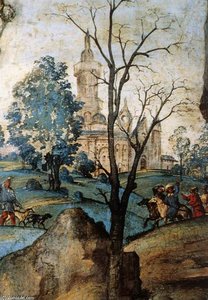
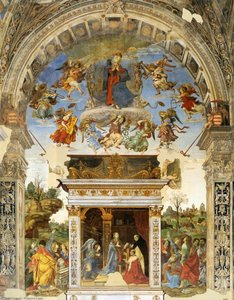
View of the Carafa Chapel


 Read More
Purchase a high-resolution, enhanced digital image, far superior to the online preview.
Each file is meticulously prepared by our in-house specialists using advanced tools and expert manual retouching. We ensure every image has exceptional clarity, precise color accuracy, and fine detail.
The final file is delivered via email within 72 hours, optimized for immediate use in professional, editorial, and print environments. This is the same quality trusted by top-tier design studios, publishers, and galleries.
Digital Image
Download a high-resolution file for personal display, printing, and creative projects. ( Buy Print Buy Hand Made Painting)
Included in Every Digital Image Order
Expert Digital Delivery, Guaranteed
When you choose ArtsDot.com, you're not just getting an image - you're receiving a professionally enhanced digital artwork, crafted with precision and backed by a satisfaction guarantee. Here's everything that comes with your order, automatically:

Fast Email Delivery
Your high-resolution digital image file will be emailed to you within 72 hours of ordering - ready for immediate use.

AI-Enhanced Digital File
Your artwork is professionally optimized using advanced AI tools and manual editing, ensuring maximum detail, clarity, and color accuracy.

Free Lifetime Re-Delivery
Accidentally deleted or lost your file? No worries - we'll resend it to you anytime, free of charge.

No Import Fees - Ever
Enjoy your artwork instantly with zero customs, duties, or delivery fees - digital downloads are always tax-free.

Color Accuracy Guarantee
We ensure your digital image reflects the original colors as closely as possible using professional tools and color management.

60-Day Satisfaction Guarantee
If you're not satisfied with your digital image, we'll revise it or refund 100% within 60 days - no questions asked.

100% Money-Back Guarantee
Not satisfied? Get a full refund within 60 days of receiving your digital file - no questions asked.

Bulk Order Discounts
Buy 3 images, save 10% - Buy 5, save 15% - Buy 10+, save 20%. Great for creative projects, galleries, and agencies.
Collectible Description
The Carafa Chapel: A Symphony of Faith and Florentine Genius
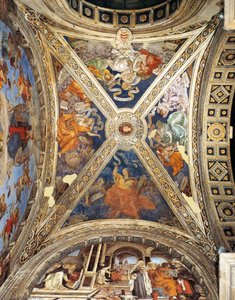
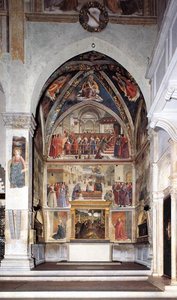
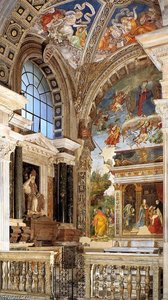
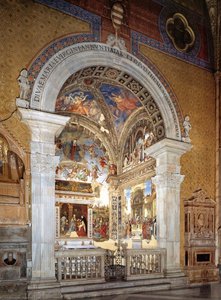
Within the heart of Santa Maria sopra Minerva in Rome lies the Carafa Chapel, a breathtaking testament to the artistic prowess of Filippino Lippi and a pivotal moment in Renaissance fresco painting. Completed between 1489 and 1491 for Cardinal Oliviero Carafa, this chapel is more than just a religious space; it’s a vibrant narrative unfolding across its walls—a carefully orchestrated dialogue between faith, humanism, and the burgeoning artistic innovations of the era. The chapel's significance extends beyond its exquisite decoration, offering a rare glimpse into the complex interplay of power, patronage, and artistic vision that defined 15th-century Florence.
Lippi’s design for the Carafa Chapel was ambitious, encompassing not only the vault but also the walls above the high altar and the side panels. He masterfully employed a technique known as “sotto in su” – meaning “from below,” which involved painting from the floor upwards, creating an illusion of depth and three-dimensionality that was revolutionary for its time. This approach, heavily influenced by Masaccio’s groundbreaking work in the Brancacci Chapel, allowed Lippi to capture a sense of immediacy and realism previously unseen in fresco cycles. The result is a dynamic composition where figures seem to emerge directly from the wet plaster, imbued with life and movement.
The Vault: Sibyls and the Medici Echo
The vault of the Carafa Chapel immediately captivates with its depiction of four Sibyls – prophetic women revered throughout Christian tradition. These aren’t merely static figures; they are rendered in a dramatic, almost theatrical pose, their hands raised towards the heavens as if channeling divine inspiration. Lippi's masterful use of perspective and light draws the viewer into this celestial realm, creating a sense of awe and wonder. Notably, within each Sibyl’s triangular frame, a subtle but significant detail emerges: a medallion bearing the coat of arms of Lorenzo de’ Medici, Florence’s powerful ruler. This inclusion wasn't accidental; it was a clear expression of gratitude to the Medici for their support of Lippi’s commission and a strategic alliance between the Cardinal and the influential family.
The intricate patterns surrounding the Sibyls—a swirling combination of branches, diamonds, and books—further reinforce this connection. The books symbolize knowledge and wisdom, while the branching forms evoke the Medici family emblem, a stylized depiction of a laurel wreath. This carefully constructed visual language demonstrates Lippi’s skill in seamlessly integrating political and religious themes into his artistic vision.
The Central Panels: Annunciation and Assumption
Moving to the central panels, we encounter two monumental scenes – the Annunciation and the Assumption of the Virgin Mary. The Annunciation is particularly striking for its unconventional composition. Instead of depicting the angel Gabriel delivering the news in a traditional setting, Lippi places St. Thomas presenting to Mary a kneeling Cardinal Carafa. This innovative arrangement highlights the importance of patronage within the context of religious art, suggesting that divine grace was often intertwined with earthly power and influence. The background is filled with a richly detailed interior scene, complete with a barrel vault, shelves laden with books, and a still life featuring a carafe – a symbol of purity – and an olive branch, alluding to Carafa’s command of the papal fleet.
The Assumption, flanking the Annunciation, presents a vision of Mary ascending into heaven. The scene is framed by radiant angels, creating a sense of ethereal beauty and spiritual transcendence. The figures are rendered with remarkable grace and fluidity, showcasing Lippi's mastery of anatomy and his ability to capture the emotional depth of religious experience.
A Legacy in Fresco
The Carafa Chapel stands as a landmark achievement in Renaissance fresco painting, representing a synthesis of artistic innovation, humanist ideals, and political patronage. Filippino Lippi’s work here is not merely decorative; it's a complex narrative that reflects the cultural and intellectual currents of 15th-century Florence. The chapel’s vibrant colors, dynamic compositions, and masterful use of perspective continue to captivate viewers today, offering a profound insight into the artistic genius of one of Italy’s most celebrated Renaissance painters.
Today, reproductions of this magnificent artwork are available through ArtsDot, allowing art enthusiasts worldwide to experience the beauty and depth of Lippi's masterpiece in their own homes.
Related Artworks
Artist Biography
Early Life and Training
- Born: April 1457, Prato, Italy
- Died: April 1504
- Parents: Fra Filippo Lippi (painter) and Lucrezia Buti
- Filippino was the illegitimate son of a renowned painter.
- Early training under his father laid the foundation for his artistic career.
Artistic Career and Development
- Early Period (1475-1480): Initial works, such as Madonnas, showed a less refined style. These were initially attributed to an anonymous artist known as "amico di Sandro."
- Evolution (1480-1485): Development of a more personal and effective approach in works like the *Journeys of Tobias*.
- Maturity (1485-1504): Mastery of the High Renaissance style, exemplified by *The Apparition of Christ to the Virgin*.
Major Works and Collaborations
- Collaboration with Perugino, Ghirlandaio, and Botticelli on frescoes at Lorenzo de' Medici’s villa.
- Completion of Masaccio's unfinished decoration in the Brancacci Chapel alongside Masolino.
- Notable works include: *The Coronation of the Virgin*, *Tobias and the Angel*, *St Jerome*, and *Scene from the Life of St Thomas Aquinas*.
Influences and Artistic Style
- Early Influences: Sandro Botticelli, Fra Filippo Lippi.
- Style Characteristics: Animated form and line, warm colorism, detailed landscapes, expressive figures, and a blend of perspective geometry with intimate interiors.
- Roman Antiquities: Studies after Roman antiquities during his time in Rome influenced his work, incorporating an antique vocabulary into his art.
Historical Significance and Legacy
- A leading Florentine exponent of the tradition of great fresco cycles.
- His influence on the High Renaissance is undeniable.
- Works are found in museums worldwide, including the Uffizi Gallery in Florence.
- Known for bridging the gap between earlier Renaissance styles and the emerging High Renaissance aesthetic.
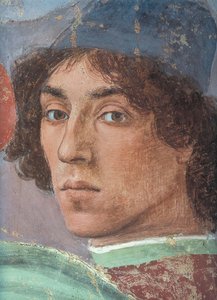
Filippino Lippi
1457 - 1504 , Italy
Quick Facts
- Artistic Movement Or Style: High Renaissance
- Artists Or Movements Influenced By This Artist: ['Raffaellino del Garbo']
- Artists Who Influenced This Artist:
- Fra Filippo Lippi
- Sandro Botticelli
- Date Of Birth: April 1457
- Date Of Death: April 1504
- Full Name: Filippino Lippi
- Nationality: Italian
- Notable Artworks:
- The Coronation of the Virgin
- Tobias and the Angel
- Scene from the Life of St Thomas Aquinas
- St Jerome
- Place Of Birth: Prato, Italy

