

 Preview
 Send
Send Share
Share
 Details

 Download
 Similars
 X-Ray
X-Ray Diaporama
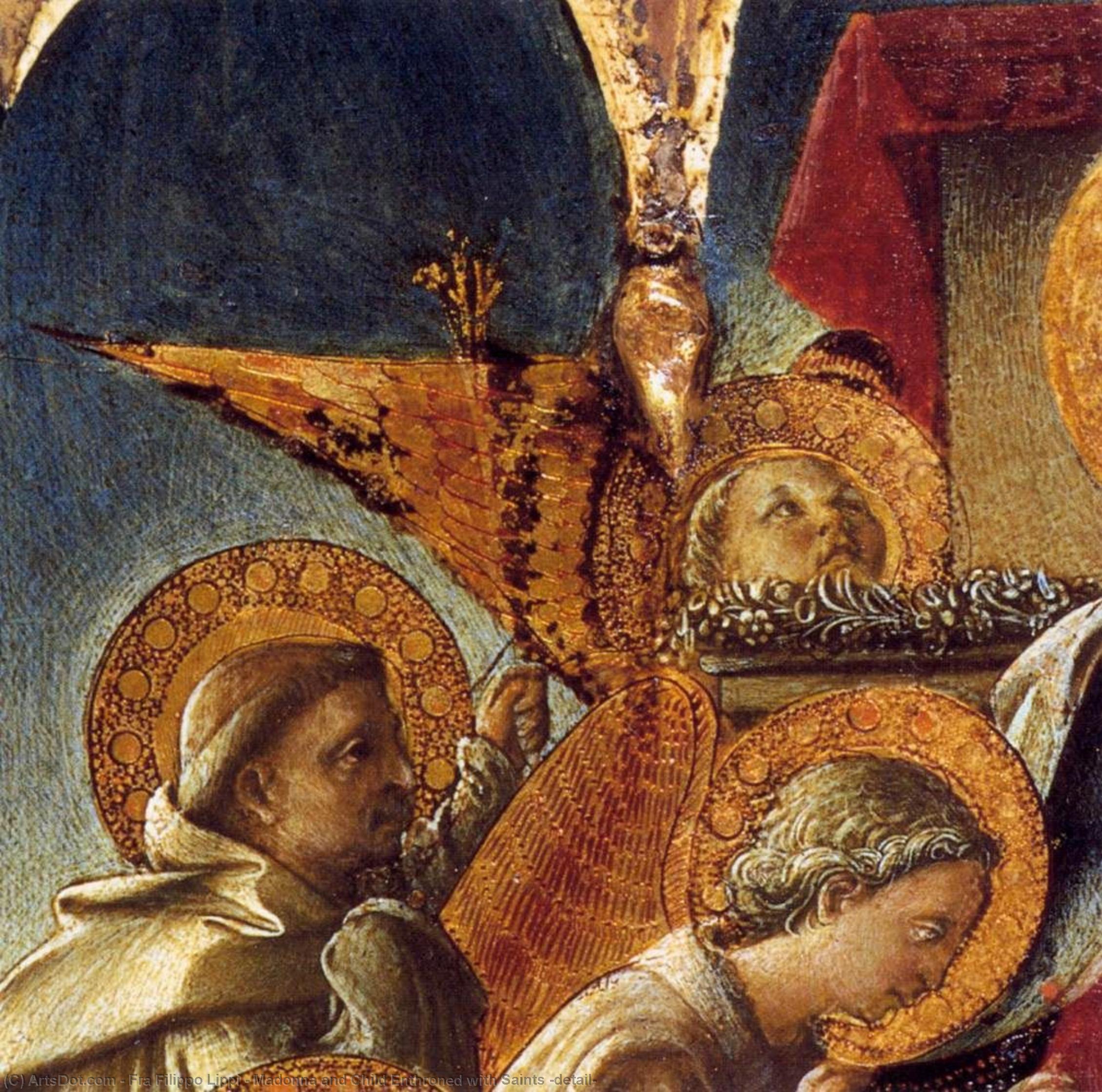
Madonna and Child Enthroned with Saints (detail)


 Read More
Purchase a high-resolution, enhanced digital image, far superior to the online preview.
Each file is meticulously prepared by our in-house specialists using advanced tools and expert manual retouching. We ensure every image has exceptional clarity, precise color accuracy, and fine detail.
The final file is delivered via email within 72 hours, optimized for immediate use in professional, editorial, and print environments. This is the same quality trusted by top-tier design studios, publishers, and galleries.
Digital Image
Download a high-resolution file for personal display, printing, and creative projects. ( Buy Print Buy Hand Made Painting)
Included in Every Digital Image Order
Expert Digital Delivery, Guaranteed
When you choose ArtsDot.com, you're not just getting an image - you're receiving a professionally enhanced digital artwork, crafted with precision and backed by a satisfaction guarantee. Here's everything that comes with your order, automatically:

Fast Email Delivery
Your high-resolution digital image file will be emailed to you within 72 hours of ordering - ready for immediate use.

AI-Enhanced Digital File
Your artwork is professionally optimized using advanced AI tools and manual editing, ensuring maximum detail, clarity, and color accuracy.

Free Lifetime Re-Delivery
Accidentally deleted or lost your file? No worries - we'll resend it to you anytime, free of charge.

No Import Fees - Ever
Enjoy your artwork instantly with zero customs, duties, or delivery fees - digital downloads are always tax-free.

Color Accuracy Guarantee
We ensure your digital image reflects the original colors as closely as possible using professional tools and color management.

60-Day Satisfaction Guarantee
If you're not satisfied with your digital image, we'll revise it or refund 100% within 60 days - no questions asked.

100% Money-Back Guarantee
Not satisfied? Get a full refund within 60 days of receiving your digital file - no questions asked.

Bulk Order Discounts
Buy 3 images, save 10% - Buy 5, save 15% - Buy 10+, save 20%. Great for creative projects, galleries, and agencies.
Filippo Lippi’s Madonna Enthroned with Saints: A Symphony of Faith and Artistic Innovation
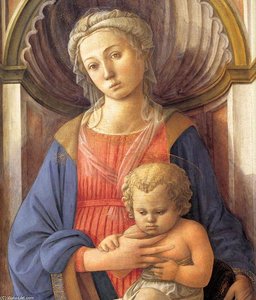
Fra Filippo Lippi's “Madonna Enthroned with Saints,” painted around 1430, stands as a cornerstone of Florentine Renaissance art—a testament to both spiritual devotion and groundbreaking artistic experimentation. More than just a depiction of biblical iconography, it’s a carefully crafted visual narrative that speaks volumes about the artist’s worldview and his place within the burgeoning humanist movement transforming Europe at the time. Located in the Uffizi Gallery, Florence, this panel painting continues to captivate viewers with its serene beauty and masterful execution.A Vision of Heavenly Grace: Style and Technique
The Madonna Enthroned embodies the ideals of Florentine Renaissance art—characterized by a harmonious balance between classical influences and Christian piety. Lippi’s style leans heavily on Masaccio's pioneering use of linear perspective, subtly employed to create an illusionistic depth that draws the eye into the scene. Unlike earlier Byzantine depictions, where figures appear flattened and stylized, Lippi achieves remarkable realism through meticulous attention to anatomical detail—particularly evident in the Virgin Mary’s drapery folds and the serene expression on her face. The artist skillfully utilizes tempera paint on wood panel, a technique favored by Florentine artists of the period, resulting in luminous colors and subtle tonal gradations that imbue the painting with an ethereal quality. Furthermore, Lippi's innovative compositional approach—centering the Virgin Mary and Child on a high throne—was a deliberate departure from traditional iconography, reflecting a humanist desire to portray religious subjects with dignity and grandeur.Historical Context: The Renaissance Spirit Takes Root
The painting emerged during a pivotal moment in European history – the High Renaissance—a period marked by an unprecedented revival of classical learning and artistic creativity. Lippi’s work reflects the broader intellectual currents of his time, where artists sought inspiration from ancient Greek and Roman art forms while simultaneously reaffirming Christian faith. The patronage of Cornelia Salviati, a wealthy Florentine noblewoman, underscores the importance of aristocratic commissions in fostering artistic innovation during this era. Moreover, Lippi's involvement with the Carmelite Order—a monastic order known for its ascetic ideals—influenced his artistic sensibilities and imbued his paintings with a profound sense of spirituality. The painting’s placement within the chapel of San Domenico, Fiesole, suggests that it was intended to inspire contemplation and devotion among worshippers.Symbolism: Layers of Meaning Beyond the Surface
“Madonna Enthroned” is replete with symbolic references—each element contributing to its overarching narrative of divine grace and humility. The throne itself symbolizes royalty and majesty, elevating Mary to a position of honor commensurate with her role as Mother of God. The saints surrounding Mary—Saint John the Baptist and Saint Sebastian—represent virtues associated with Christ’s incarnation and martyrdom—Baptism and Suffering respectively. Their gestures convey reverence and piety, reinforcing the painting's central theme of spiritual aspiration. Even the drapery folds are carefully arranged to create a sense of movement and dynamism—a subtle allusion to the divine realm. The luminous colors—particularly the rich reds and golds—evoke feelings of warmth and splendor, symbolizing God’s love and generosity.Emotional Impact: A Moment Frozen in Time
Looking at “Madonna Enthroned” evokes a profound sense of tranquility and contemplation—a feeling that transcends time and culture. Lippi's masterful depiction of Mary and Child captures the essence of maternal tenderness and spiritual serenity—qualities valued throughout Christian history. The painting’s harmonious composition and luminous colors create an immersive experience for the viewer, transporting them to a realm of divine beauty. It serves as a powerful reminder of humanity’s yearning for transcendence—a testament to Lippi's artistic genius and his enduring legacy as one of Florence’s greatest painters.Related Artworks
Artist Biography
A Florentine Rebel: The Life and Art of Filippo Lippi
Filippo di Tommaso Lippi, known as Fra Filippo Lippi, was a figure both blessed by artistic genius and shadowed by a life brimming with scandal and unconventional choices. Born in Florence in 1406 to a butcher family, his early years were marked by loss; orphaned at the tender age of two, he found himself entrusted to the care of his aunt, Mona Lapaccia. This arrangement ultimately led him, at eight years old, to the Carmelites’ convent – a path that would shape not only his artistic development but also define the complexities of his character. It was within those cloistered walls that young Filippo began his formal education and, crucially, discovered his passion for painting. The influence of this environment is palpable in much of his work; a delicate balance between spiritual devotion and an increasingly humanistic sensibility.From Religious Vows to Artistic Innovation
Lippi’s entry into the Carmelite order in 1420 wasn't merely a matter of circumstance, but seemingly ignited within him a fervent artistic drive. He took his vows at sixteen and was ordained as a priest around 1425, remaining at the priory until 1432. It’s during this period that art historian Giorgio Vasari recounts how Lippi became captivated by Masaccio's groundbreaking frescoes in the Brancacci Chapel – an encounter that proved pivotal. The impact of Masaccio’s naturalism and innovative use of light is clearly visible in Lippi’s early works, such as the *Tarquinia Madonna*, where a newfound realism begins to emerge. However, Lippi wasn’t simply an imitator; he quickly developed his own distinctive style, characterized by lyrical grace, delicate coloring, and a subtle emotional depth that set him apart from his contemporaries. He began to infuse religious scenes with a sense of intimacy and human connection, moving away from the more rigid formality of earlier devotional art.A Master of Composition and Controversy
Lippi’s artistic career flourished in Florence, attracting commissions from prominent families like the Medici. Works such as *The Annunciation and the Seven Saints* demonstrate his ability to create complex compositions filled with symbolic meaning and elegant detail. The *Coronation of the Virgin*, completed in 1441 for the nuns of Sant'Ambrogio, is particularly noteworthy; it features a half-length figure that many believe to be a self-portrait of Lippi himself – a bold assertion of artistic identity within a religious context. But his life was far from serene. He frequently found himself embroiled in financial difficulties, legal disputes, and accusations of forgery. Perhaps the most sensational episode involved his abduction of Lucrezia Buti, a nun from Prato, with whom he eventually married after years of scandal and controversy. This act, while shocking for its time, speaks to Lippi’s rebellious spirit and his willingness to defy societal norms in pursuit of personal happiness.Legacy and Influence
Despite the turbulence of his life, Filippo Lippi left an indelible mark on Renaissance art. He was a highly sought-after painter, and his workshop became a breeding ground for future masters. Among his most distinguished pupils were Sandro Botticelli and Francesco di Pesello (Pesellino), both of whom would go on to achieve significant acclaim in their own right. Lippi’s influence can be seen in the lyrical beauty and emotional expressiveness that characterize much of Florentine painting during the late Quattrocento. He bridged the gap between the early Renaissance naturalism of Masaccio and the more refined aesthetic of the High Renaissance, paving the way for a new generation of artists to explore the possibilities of human form and emotion. His ability to blend religious piety with worldly realism, coupled with his innovative compositions and exquisite technique, cemented his place as one of the most important and captivating figures of the Italian Renaissance. He died in Spoleto in 1469, leaving behind a legacy that continues to inspire awe and admiration centuries later. His art remains a testament to the power of human creativity and the enduring allure of beauty.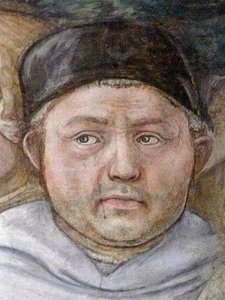
Filippo di Tommaso Lippi
1406 - 1469 , Italy
Quick Facts
- Artistic Movement Or Style: Early Renaissance
- Artists Or Movements Influenced By This Artist:
- Sandro Botticelli
- Filippino Lippi
- Artists Who Influenced This Artist: ['Masaccio']
- Date Of Birth: 1406
- Date Of Death: 1469
- Full Name: Filippo di Tommaso Lippi
- Nationality: Italian
- Notable Artworks:
- Tarquinia Madonna
- The Annunciation
- Coronation of the Virgin
- Place Of Birth: Florence, Italy

