 Preview
 Send
Send Share
Share
 Details

 Download
 Similars
 X-Ray
X-Ray Diaporama
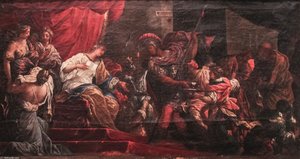
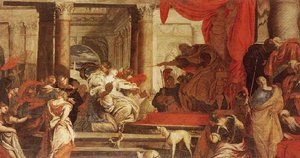
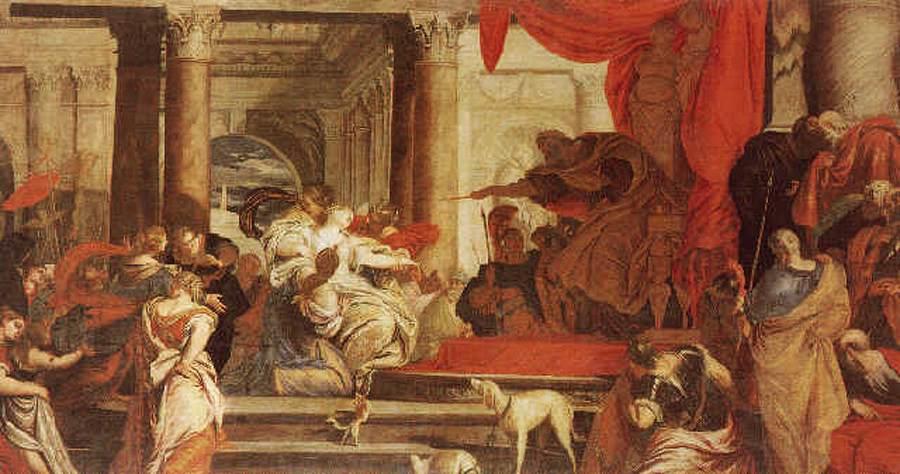
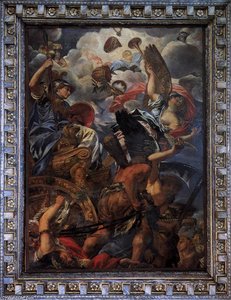
Esther and Ahasuerus
 283.0 x 511.0 cm
 Read More
Hand Made Oil Reproduction
Hand-painted oil on canvas in your size and frame, made to order by our artists. ( Buy Print Buy Image)




































Pick from our preset sizes that match the artwork's original proportions.

You may enter your own dimensions to fit a specific frame or space. If your selected size does not match the original image's proportions, we will either crop the artwork or extend the painting with additional hand-painted elements. A digital mockup will be sent for your approval before production begins.
Please note that the on-screen preview does not reflect the actual cropping or extension. Only the mockup will accurately show the final composition.
While custom sizes are available, we recommend selecting a dimension from the predefined list to preserve the original proportions.
After order, ArtsDot.com team will email client for instructions and provide a mockup preview
Worldwide Delivery () in 3/4 weeks instead of standard 5 weeks. (24 August). No compromise on quality.

Free Worldwide Express Shipping

High-Quality Linen Canvas

Full Shipping Insurance

Customs Tax Refund Guarantee

True Color Matching Guarantee

60-Day Return Policy (Defects Only)

100% Money-Back Guarantee

Bulk Discount Offer
 Glass option is only available in size under 110 CM

Esther and Ahasuerus
Reproduction Medium
Reproduction Size
-


Total Price
$ 263
Related Artworks

Artist Biography
The Venetian Baroque Visionary: The Life of Filippo Gherardi
In the grand, sweeping tapestry of the Italian Baroque, few threads are as intricately woven as those belonging to Filippo Gherardi. Born in the serene and culturally rich landscape of Lucca in 1643, Gherardi emerged from a family steeped in artistic tradition, a lineage that provided the foundational bedrock for his burgeoning talent. His early years were defined by a rigorous apprenticeship under Pietro Paolini, a master known for meticulous detail and classical ideals. This formative period in Lucca instilled in Gherardi a profound respect for anatomical accuracy and a disciplined approach to light—elements that would later allow him to navigate the more expansive, emotive demands of the Baroque style with unparalleled grace.
As his reputation grew, the magnetic pull of Rome and Venice beckoned, leading him toward the heart of the artistic universe. Gherardi’s journey was not merely a change in geography but a transformative leap into the crucible of innovation. By joining the expansive studio of Pietro da Cortona, he immersed himself in an environment of exuberant, flowing compositions that offered a thrilling contrast to his earlier, more restrained training. This exposure to the Roman high Baroque allowed Gherardi to expand his stylistic vocabulary, moving beyond simple representation toward a sophisticated engagement with movement, perspective, and the dramatic interplay of shadow and brilliance.
A Symphony of Collaboration and Grandeur
Perhaps the most defining characteristic of Gherardi’s career was his enduring and fruitful partnership with Giovanni Coli. This creative synergy, born from their shared lineage under Paolini, allowed the duo to navigate the complexities of papal commissions and establish a dynamic presence across Italy. Together, they mastered the art of large-scale storytelling, translating historical and religious triumphs into breathtaking visual spectacles. Their collaborative efforts were not merely paintings but monumental architectural interventions that breathed life into the very structures they adorned.
Their shared legacy is most notably etched into the ceilings of some of Italy's most prestigious locations:
- The Palazzo Colonna, Rome: Here, Gherardi and Coli executed magnificent ceiling frescoes celebrating the participation of a prominent family member in the Battle of Lepanto, a work that stands as a testament to their ability to blend historical commemoration with dramatic Baroque flair.
- San Nicolò da Tolentino, Venice: In this Venetian triumph, they completed the frescoes for the church's dome, depicting the glory of Saint Nicholas in a display of celestial movement and divine light.
- San Giorgio Maggiore, Venice: Their artistry extended to the Library of the monastery, where they frescoed spaces that demanded a delicate balance of intellectual gravity and aesthetic beauty.
Legacy and Artistic Significance
Gherardi’s work, such as the evocative "The Triumph of Wisdom," exemplifies the prevailing artistic ethos of his era: a meticulous observation of the natural world combined with the theatricality required to stir the human soul. Through his use of rich colors and dynamic compositions—often featuring allegorical figures and winged horses—he captured the tension between the earthly and the divine. His ability to command large-scale fresco work ensured that his vision became an inseparable part of the Venetian and Roman landscapes.
Though he passed away in his native Lucca in 1704, Gherardi’s influence endured through his pupils, such as Cristoforo Tondini, who carried forward the techniques honed in the great studios of Italy. Today, Filippo Gherardi is remembered not just as a painter, but as a visionary who helped define the theatrical grandeur of the seventeenth century, leaving behind a legacy of light, movement, and monumental storytelling that continues to captivate the modern eye.
Filippo Gherardi
1643 - 1704 , Italy
Quick Facts
- Artistic Movement Or Style: Baroque
- Artists Who Influenced This Artist: ['Giovanni Coli']
- Date Of Birth: Lucca, Italy (1643)
- Date Of Death: 1704
- Full Name: Filippo Gherardi
- Nationality: Italian
- Notable Artworks:
- The Triumph Of Wisdom
- Esther and Ahasuerus
- Sophonisba
- Place Of Birth: Lucca