

 Preview
 Send
Send Share
Share
 Details

 Download
 Similars
 X-Ray
X-Ray Diaporama
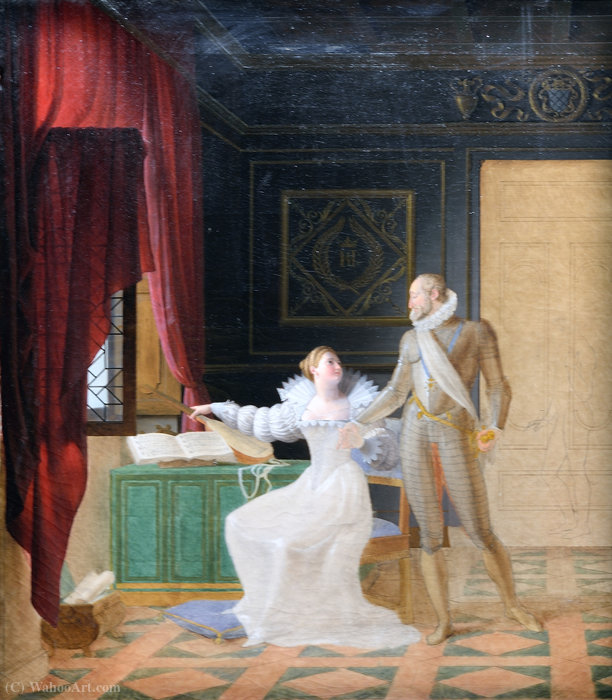
Henri IV in Gabrielle d'Estrées
 Read More
Purchase a high-resolution, enhanced digital image, far superior to the online preview.
Each file is meticulously prepared by our in-house specialists using advanced tools and expert manual retouching. We ensure every image has exceptional clarity, precise color accuracy, and fine detail.
The final file is delivered via email within 72 hours, optimized for immediate use in professional, editorial, and print environments. This is the same quality trusted by top-tier design studios, publishers, and galleries.
Digital Image
Download a high-resolution file for personal display, printing, and creative projects. ( Buy Print Buy Hand Made Painting)
Included in Every Digital Image Order
Expert Digital Delivery, Guaranteed
When you choose ArtsDot.com, you're not just getting an image - you're receiving a professionally enhanced digital artwork, crafted with precision and backed by a satisfaction guarantee. Here's everything that comes with your order, automatically:

Fast Email Delivery
Your high-resolution digital image file will be emailed to you within 72 hours of ordering - ready for immediate use.

AI-Enhanced Digital File
Your artwork is professionally optimized using advanced AI tools and manual editing, ensuring maximum detail, clarity, and color accuracy.

Free Lifetime Re-Delivery
Accidentally deleted or lost your file? No worries - we'll resend it to you anytime, free of charge.

No Import Fees - Ever
Enjoy your artwork instantly with zero customs, duties, or delivery fees - digital downloads are always tax-free.

Color Accuracy Guarantee
We ensure your digital image reflects the original colors as closely as possible using professional tools and color management.

60-Day Satisfaction Guarantee
If you're not satisfied with your digital image, we'll revise it or refund 100% within 60 days - no questions asked.

100% Money-Back Guarantee
Not satisfied? Get a full refund within 60 days of receiving your digital file - no questions asked.

Bulk Order Discounts
Buy 3 images, save 10% - Buy 5, save 15% - Buy 10+, save 20%. Great for creative projects, galleries, and agencies.
Related Artworks

Artist Biography
Fleury François Richard: A Lyon Troubadour Capturing the Echoes of History
Fleury François Richard (1777-1852), a name perhaps less familiar than his contemporaries David or Ingres, stands as a pivotal figure in the vibrant and distinctly regional art scene of Lyon during the early 19th century. Born in Lyon, a city steeped in history and profoundly impacted by the French Revolution, Richard’s artistic journey reflects both the influence of Parisian academic training and a deeply rooted connection to his native landscape and its rich past. He was part of the Lyon School, a group of artists who developed a unique style—the “Troubadour” style—characterized by an intimate engagement with historical subjects, often drawn from medieval and Renaissance literature and legend, imbued with a poetic sensibility and a fascination for the romantic ideal.
Richard’s early artistic development was firmly rooted in the studio of Jacques-Louis David, the dominant figure of Neoclassicism. This training provided him with a solid foundation in technique and composition—a mastery of line, form, and light that would later inform his work. However, Richard quickly distinguished himself from his mentor, demonstrating an inclination towards subjects beyond the rigid confines of classical antiquity. He found inspiration not just in Roman history but also in the tales of chivalry, courtly love, and the dramatic narratives of medieval France—themes that resonated deeply with the spirit of the Troubadour style.
The Birth of a Troubadour Style
The Troubadour style emerged as a reaction against the prevailing Neoclassical aesthetic, seeking to capture a more emotional and subjective response to history. Artists like Richard and Pierre Révoil rejected the polished formality of David’s work in favor of a looser, more painterly approach. They were particularly drawn to the idea of “history painting” – depicting scenes from the past—but with a focus on capturing not just factual accuracy but also the emotional atmosphere and psychological nuances of the subjects. This involved a shift towards smaller canvases, intimate compositions, and a deliberate use of light and shadow to create mood and drama.
Richard’s early works, such as “Valentine of Milan Mourning her Husband, the Duke of Orléans” (1802), exemplify this new approach. The painting is not merely a historical record but a deeply felt meditation on grief and loss. The use of muted colors, dramatic lighting, and carefully rendered details—particularly in Valentine’s sorrowful expression—evokes a powerful sense of pathos. The scene itself, inspired by the tragic romance between Valentina Visconti and Ludovico Sforza, was chosen for its inherent drama and emotional resonance.
Key Works and Recurring Themes
Beyond “Valentine of Milan,” Richard’s oeuvre is marked by a series of compelling historical scenes. "Montaigne Visiting Torquato Tasso in Prison" (1821), perhaps his most famous work, offers a poignant glimpse into the intellectual and emotional lives of two great figures—the humanist Montaigne and the tormented poet Tasso. The painting’s setting – an imagined chapel within a prison – is deliberately ambiguous, creating a sense of mystery and psychological depth. The contrast between Montaigne's calm contemplation and Tasso’s agitated state powerfully conveys the themes of friendship, suffering, and the power of ideas.
Other notable works include “Vert-Vert” (1804), named after the parrot hero of Jean-Baptiste Gresset’s poem, which showcases Richard's ability to capture a sense of atmosphere and narrative through carefully chosen details. His depictions of historical figures like Agnès Sorel, the mistress of King Charles IX, reveal an interest in exploring themes of power, beauty, and intrigue.
Influence and Legacy
Fleury François Richard’s contribution to French art is often understated, overshadowed by the more celebrated figures of his time. However, he played a crucial role in shaping the development of the Troubadour style—a distinctive approach to historical painting that emphasized emotional resonance and poetic interpretation. His work influenced later artists, including Jacquand, who painted “Thomas Morus,” demonstrating the lasting impact of Richard’s innovative techniques and artistic vision.
Richard's connection to Lyon extended beyond his artistic practice; he was a member of the Scottish Rite Masonic Lodge of Isis in 1809. His life and work reflect the intellectual and cultural ferment of his time, making him a fascinating subject for art historians and a testament to the enduring power of historical painting.
A Painter’s Reflections
Fleury Richard's writings, particularly “Quelques réflexions sur l’enseignement de la peinture dans les villes de second ordre,” offer valuable insights into his artistic philosophy. He believed that painting was not merely a representation of reality but a form of symbolic expression—a means of conveying ideas and emotions through carefully chosen forms and colors. His emphasis on the importance of studying nature, archaeological remains, and literary sources reveals a deep commitment to understanding the historical context of his subjects and translating it into compelling visual narratives.
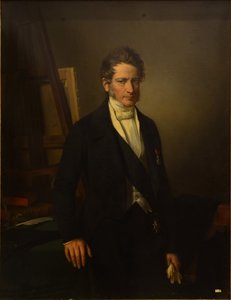
fleury françois richard
1777 - 1852 , France
Quick Facts
- Artistic Movement Or Style: Troubadour style, Romanticism
- Artists Or Movements Influenced By This Artist: ['David']
- Artists Who Influenced This Artist: ['Jacques-Louis David']
- Date Of Birth: Feb 25, 1777
- Date Of Death: Mar 14, 1852
- Full Name: Fleury François Richard
- Nationality: French
- Notable Artworks:
- Montaigne Visiting Tasso
- Valentine de Milan
- Vert-Vert
- Place Of Birth: Lyon, France

