

 Preview
 Send
Send Share
Share
 Details

 Download
 Similars
 X-Ray
X-Ray Diaporama
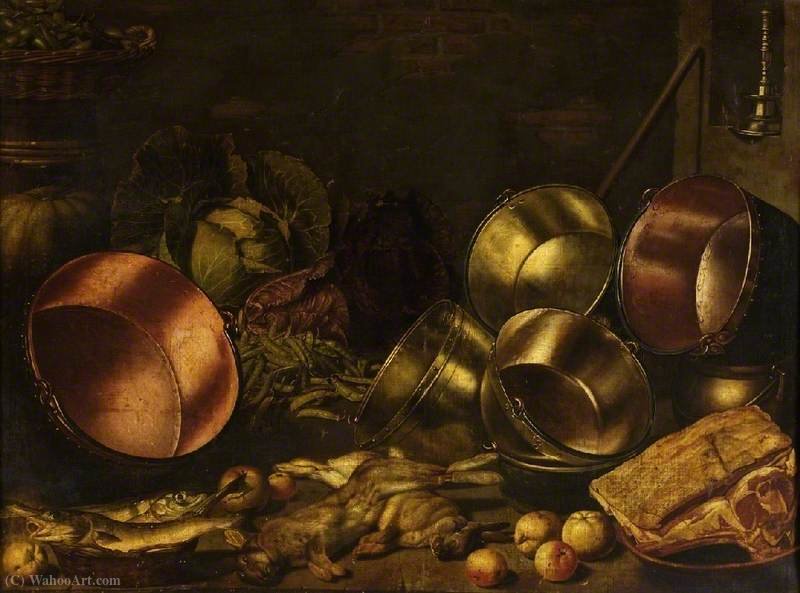
Kitchen Utensils, Meat and Vegetables
 Read More
Purchase a high-resolution, enhanced digital image, far superior to the online preview.
Each file is meticulously prepared by our in-house specialists using advanced tools and expert manual retouching. We ensure every image has exceptional clarity, precise color accuracy, and fine detail.
The final file is delivered via email within 72 hours, optimized for immediate use in professional, editorial, and print environments. This is the same quality trusted by top-tier design studios, publishers, and galleries.
Digital Image
Download a high-resolution file for personal display, printing, and creative projects. ( Buy Print Buy Hand Made Painting)
Included in Every Digital Image Order
Expert Digital Delivery, Guaranteed
When you choose ArtsDot.com, you're not just getting an image - you're receiving a professionally enhanced digital artwork, crafted with precision and backed by a satisfaction guarantee. Here's everything that comes with your order, automatically:

Fast Email Delivery
Your high-resolution digital image file will be emailed to you within 72 hours of ordering - ready for immediate use.

AI-Enhanced Digital File
Your artwork is professionally optimized using advanced AI tools and manual editing, ensuring maximum detail, clarity, and color accuracy.

Free Lifetime Re-Delivery
Accidentally deleted or lost your file? No worries - we'll resend it to you anytime, free of charge.

No Import Fees - Ever
Enjoy your artwork instantly with zero customs, duties, or delivery fees - digital downloads are always tax-free.

Color Accuracy Guarantee
We ensure your digital image reflects the original colors as closely as possible using professional tools and color management.

60-Day Satisfaction Guarantee
If you're not satisfied with your digital image, we'll revise it or refund 100% within 60 days - no questions asked.

100% Money-Back Guarantee
Not satisfied? Get a full refund within 60 days of receiving your digital file - no questions asked.

Bulk Order Discounts
Buy 3 images, save 10% - Buy 5, save 15% - Buy 10+, save 20%. Great for creative projects, galleries, and agencies.
Related Artworks
Artist Biography
A Master of Dutch Still Life: Floris Gerritsz van Schooten
Floris Gerritsz van Schooten, also known as Floris Verschoten (Haarlem, 1584 – 1656), occupies a fascinating, yet often understated, position within the vibrant landscape of 17th-century Dutch painting. While not possessing the immediate name recognition of some contemporaries like Willem Kalf or Jan Davidsz de Heem, Van Schooten’s meticulous still lifes offer a compelling window into the daily life and burgeoning prosperity of the Dutch Golden Age. His career unfolded during a period when the genre of still life blossomed, moving beyond simple depictions to embrace symbolism, texture, and an almost hyper-realistic quality that captivated collectors and patrons alike. Born into a Catholic family who relocated from Amsterdam to Haarlem seeking greater religious tolerance, Van Schooten’s early life was likely shaped by the cultural shifts and artistic currents swirling within this dynamic city. He became a member of the Haarlem Guild of St. Luke in 1605, solidifying his position as a professional artist, and later served as its dean in 1639—a testament to his standing amongst his peers.Early Career and Genre Specialization
Van Schooten’s artistic journey was marked by a dedication to still life painting, specifically breakfast pieces, fruit arrangements, market scenes, and expansive kitchen interiors. He didn't invent these subjects; rather, he skillfully absorbed and refined the innovations of artists like Pieter Aerten and Joachim Beuckelaer, who pioneered large-scale market scenes. However, Van Schooten distinguished himself through a deliberate restraint—a lack of overt motion that contrasted with the bustling energy often found in other works of the period. This quietude doesn’t equate to lifelessness; instead, it allows for an intense focus on detail and texture. His early paintings showcase this characteristic stillness, emphasizing the materiality of objects – the sheen of pewter, the rough rind of cheese, the delicate blush of fruit. He married Rycklant Bol van Zanen in 1612, a daughter of a prominent local brewer, and together they had three daughters and a son, Johannes, who also pursued painting, suggesting an artistic environment within their household.Technique and Compositional Development
Around 1620, Van Schooten began to incorporate perspectival openings into his compositions—revealing glimpses of adjacent rooms or landscapes beyond the immediate still life setting. This technique added depth and complexity to his work, drawing the viewer’s eye further into the scene and creating a sense of spaciousness. While many artists integrated religious narratives subtly within their still lifes, Van Schooten often presented scenes that were more focused on the abundance and pleasures of everyday life. His palette is typically warm and earthy, reflecting the colors of the food and objects he depicted. The artist’s signature—a monogram “F.v.S.” or “FVS”—appears on over sixty known paintings, with a larger number attributed to him based on stylistic analysis. Only one fully signed work exists, a breakfast still life now housed in the Von der Heydt Museum in Wuppertal, Germany, providing a crucial point of reference for authenticating other pieces.Influences and Artistic Legacy
Identifying direct influences on Van Schooten is complex. He clearly responded to the innovations within the Dutch still life tradition, absorbing techniques from contemporaries and predecessors. Jan Vermeer, though primarily known for his genre scenes, likely influenced Van Schooten’s meticulous attention to light and detail. However, Van Schooten's work doesn't directly mimic Vermeer’s style; instead, it represents a distinct approach within the broader context of Dutch realism. His influence can be seen in the works of other still life painters who followed, particularly those interested in capturing the quiet dignity of domestic scenes. While he wasn’t an innovator in the same vein as some of his peers, Van Schooten played a vital role in popularizing and refining specific themes within the Dutch Golden Age—breakfast pieces and market scenes became increasingly common subjects thanks to artists like him.Historical Significance and Rediscovery
For many years, Van Schooten’s work was largely overshadowed by more celebrated names. The attribution of paintings bearing the monogram “F.v.S.” remained a subject of debate until Abraham Bredius meticulously researched his oeuvre in 1918, establishing him as a significant figure in Dutch still life painting. Today, his works are found in museums and private collections worldwide, offering valuable insights into the material culture, artistic practices, and social values of the 17th-century Netherlands. His paintings aren’t merely representations of objects; they are carefully constructed narratives about abundance, prosperity, and the pleasures of daily life. Van Schooten's legacy lies in his ability to elevate the ordinary—transforming simple breakfast scenes into compelling works of art that continue to resonate with viewers centuries later.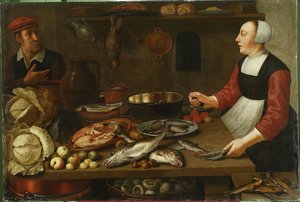
floris gerritsz van schooten (floris verschoten)
1584 - 1656 , Netherlands
Quick Facts
- Artistic Movement Or Style: Dutch Still Life
- Artists Or Movements Influenced By This Artist: ['Baroque']
- Artists Who Influenced This Artist: ['Jan Vermeer']
- Date Of Birth: 1584
- Full Name: Floris Gerritsz van Schooten
- Nationality: Dutch
- Notable Artworks: ['Still Life with Fruit and Bread']
- Place Of Birth: Haarlem, Netherlands

