 Send
Send Share
Share
 Details

 Download
 Similars
 Diaporama
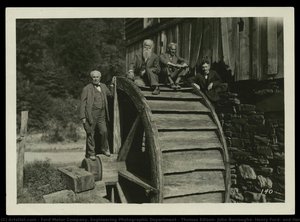
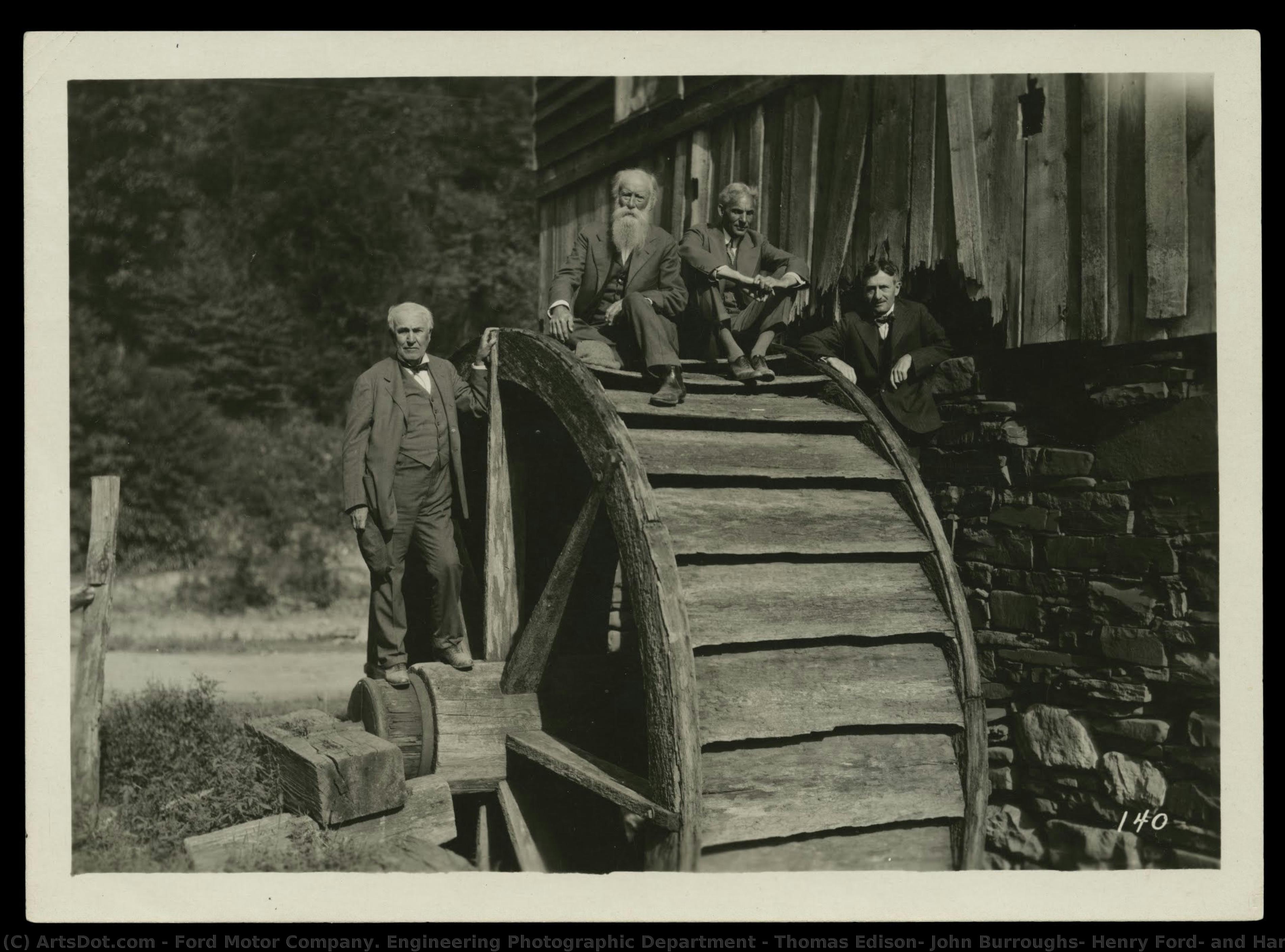
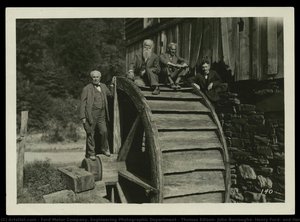
Thomas Edison, John Burroughs, Henry Ford, and Harvey Firestone on a


 Read More
Giclée / Art Print
Museum-quality giclée or canvas print with fast production and flexible finish options. ( Buy Hand Made Painting Buy Image)




































Pick from our preset sizes that match the artwork's original proportions.

You may enter your own dimensions to fit a specific frame or space. If your selected size does not match the original image's proportions, we will either crop the artwork or extend the image with a mirrored or solid-fill edge. A digital mockup will be sent for your approval before production begins.
Please note that the on-screen preview does not reflect the actual cropping or extension. Only the mockup will accurately show the final composition.
While custom sizes are available, we recommend selecting a dimension from the predefined list to preserve the original proportions.
Worldwide Delivery () in 2 weeks instead of standard 4/5 weeks. (26 August)

Free Worldwide Express Shipping

High-Quality Linen Canvas

Full Shipping Insurance

Customs Tax Refund Guarantee

True Color Matching Guarantee

60-Day Return Policy (Defects Only)

100% Money-Back Guarantee

Bulk Discount Offer
 Glass option is only available in size under 110 CM

Thomas Edison, John Burroughs, Henry Ford, and Harvey Firestone on a
Giclée / Art Print
Reproduction Size
-


Total Price
$ 63
Collectible Description
A Moment Frozen in Time: The Vagabonds at Old Evans Mill
In the quiet, mist-touched landscape of West Virginia, circa 1918, a singular moment of historical convergence was captured by the lens of the Ford Motor Company’s Engineering Photographic Department. This evocative monochrome photograph presents more than just a portrait; it is a window into an era of profound American ingenuity and the rare, shared humanity of four titans of industry and thought. Posed upon the weathered, massive structure of a waterwheel at Old Evans Mill near Lead Mine, Thomas Edison, John Burroughs, Henry Ford, and Harvey Firestone appear not as distant icons of progress, but as companions caught in a moment of rugged leisure. The image breathes with the spirit of the "Vagabonds," a group of legendary friends who sought solace in the wilderness to escape the relentless gears of the industrial age they helped create.
The composition is masterfully anchored by the geometric complexity of the waterwheel, its heavy, wooden spokes and angular architecture providing a stark, structural contrast to the organic textures of the surrounding landscape. Through the medium of silver gelatin printing, the photograph achieves a profound depth despite its monochromatic palette. The play of diffused light creates a soft, almost ethereal atmosphere, casting gentle shadows that define the rugged features of the men and the weathered grain of the mill's timber. There is a palpable sense of texture here—the roughness of stone, the dampness of the forest air, and the sturdy fabric of early 20th-century outdoor attire—all rendered with a clarity that invites the viewer to step into the frame.
Symbolism and the Intersection of Nature and Industry
Beyond its documentary value, the photograph serves as a powerful symbol of the delicate balance between human innovation and the natural world. The presence of Edison, the wizard of electricity; Ford, the architect of mass production; Firestone, the pioneer of rubber; and Burroughs, the philosopher of nature, creates a profound intellectual tension. They are men who mastered the elements to build a modern civilization, yet here they are, physically integrated into the machinery of an old mill, surrounded by the very wilderness they sought to explore. The waterwheel itself acts as a bridge between these two worlds—a piece of mechanical engineering powered entirely by the natural flow of water.
For the discerning collector or interior designer, this piece offers a sophisticated narrative for any space. It evokes a sense of nostalgia and timelessness, making it an ideal centerpiece for studies, libraries, or grand halls that celebrate heritage and intellectual curiosity. The image does not merely depict a historical event; it captures an emotional state of camaraderie and the pursuit of wonder. To display a high-quality reproduction of this work is to invite a conversation about legacy, the importance of respite, and the enduring beauty found when human ambition meets the quiet majesty of the earth.
Related Artworks
Artist Biography
The Ford Motor Company: Documenting the Rise of a Mechanical Age
The Ford Motor Company, and specifically its Engineering Photographic Department, occupies a unique position in the history of visual culture. It isn’t an artist in the traditional sense – no single visionary wielding brush or chisel – but rather a collective entity that produced a vast archive of images fundamentally shaping how we perceive technology, labor, and progress in the 20th century. Founded by Henry Ford in 1903, the company quickly moved beyond simply manufacturing automobiles; it embarked on an ambitious project to document its own innovations, processes, and impact on American life. This documentation wasn’t merely for internal record-keeping but was strategically disseminated through publications, advertising, and public relations, creating a powerful visual narrative of modernity. The Engineering Photographic Department became the crucial instrument in this endeavor, staffed by skilled photographers who captured not just the finished product – the Model T and its successors – but also the intricate ballet of assembly lines, the raw power of machinery, and the faces of the workers who brought it all to life.From Assembly Line to Iconography: The Evolution of a Visual Language
Initially, photographs served a practical purpose: illustrating technical manuals, showcasing design improvements, and providing evidence of quality control. However, as Fordism revolutionized production methods, the photographic style evolved alongside it. Early images often resembled industrial documentation – precise, detailed, and focused on functionality. But soon, a more dynamic aesthetic emerged, influenced by emerging trends in commercial photography and cinematography. Photographers began to emphasize speed, motion, and scale, capturing the rhythmic precision of the assembly line as a symbol of efficiency and progress. The Model T itself became an increasingly prominent subject, not just as a vehicle but as an emblem of American ingenuity and accessibility. Images depicted families embarking on adventures in their Fords, farmers utilizing them for work, and even the car integrated into scenes of leisure and social life. This deliberate framing transformed the automobile from a mere product into a cultural icon, deeply interwoven with the aspirations and identity of a burgeoning middle class. The department’s work wasn't about artistic expression but about constructing a specific image of Ford – an image that resonated powerfully with the American public.Influences and Technical Innovations
While not directly influenced by established art movements, the Engineering Photographic Department absorbed techniques from various sources. The rise of Pictorialism in photography, emphasizing artistic composition and tonal qualities, likely informed a shift towards more visually appealing imagery. Furthermore, the burgeoning field of motion study, pioneered by Frank and Lillian Gilbreth, undoubtedly impacted how Ford photographers captured the dynamics of labor. Their photographs often sought to break down complex processes into sequential frames, highlighting efficiency and standardization. Technically, the department embraced advancements in photographic technology – large-format cameras for detailed documentation, fast lenses for capturing movement, and sophisticated printing techniques for mass reproduction. The use of standardized lighting and composition further contributed to a consistent visual style that reinforced Ford’s brand identity. The very act of documenting these processes with such precision became a form of aesthetic control.Major Achievements and Lasting Legacy
The most significant achievement of the Engineering Photographic Department lies in its creation of a comprehensive visual archive that documented the rise of Fordism and its profound impact on American society. These photographs weren’t simply records; they were carefully crafted narratives designed to shape public perception. The images played a crucial role in establishing Ford as a leader in innovation, affordability, and social progress. Beyond their immediate promotional value, these photographs have become invaluable historical documents, offering insights into the working conditions of early 20th-century factories, the evolution of automotive design, and the changing landscape of American life. The department’s work continues to be studied by historians, sociologists, and visual culture scholars. The aesthetic influence can also be seen in subsequent industrial photography and advertising campaigns, demonstrating a lasting impact on how technology is visually represented.Historical Significance: Beyond the Automobile
The Ford Motor Company’s Engineering Photographic Department represents more than just a corporate archive; it embodies a pivotal moment in the history of visual communication. It exemplifies the power of photography to construct narratives, shape public opinion, and solidify brand identity. The images produced by this department weren't simply about selling cars – they were about selling a vision of modernity, progress, and the American dream.- The photographs documented the transformation of labor practices.
- They showcased the impact of mass production on consumer culture.
- They contributed to the creation of a powerful national mythology surrounding the automobile.
Related Articles

Monochrome Visions: Exploring the Aesthetic & Historical Significance of Black & White Photography
Explore the rich history & artistic power of black and white photography. From early techniques to iconic masters like Ansel Adams, discover why monochrome continues to captivate art lovers today. Expert insights for collectors.

White on Canvas: 10 Masterpieces & Timeless Elegance for Your Home Decor
Explore 10 iconic white paintings by Monet, Whistler & Rothko! Discover the stories behind these serene masterpieces and their impact on art history. Find museum-quality reproductions for your home decor at .

Witnessing History Through Lens & Light: Documentary Photography's Enduring Legacy
Explore the powerful history of documentary photography – from its origins to contemporary masters like Gordon Parks & W. Eugene Smith. Discover how this art form shapes our understanding of society and witness pivotal moments in time.

Documentary Photography's Defining Moments: 10 Masterpieces for Your Home |
Explore 10 defining documentary photography masterpieces – from Dorothea Lange to Robert Capa. Discover powerful stories, iconic images & timeless art for your home. Museum-quality prints at .

Beyond the Lens: Photography's Enduring Influence on Modern & Contemporary Art
Explore photography's pivotal role in shaping modern & contemporary art. Discover key movements, influential artists like Stieglitz, and expert collecting advice from ArtsDot.