 Preview
 Send
Send Share
Share
 Details

 Download
 Similars
 X-Ray
X-Ray Diaporama
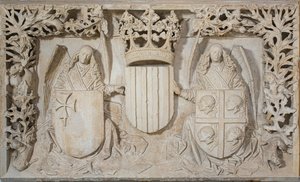
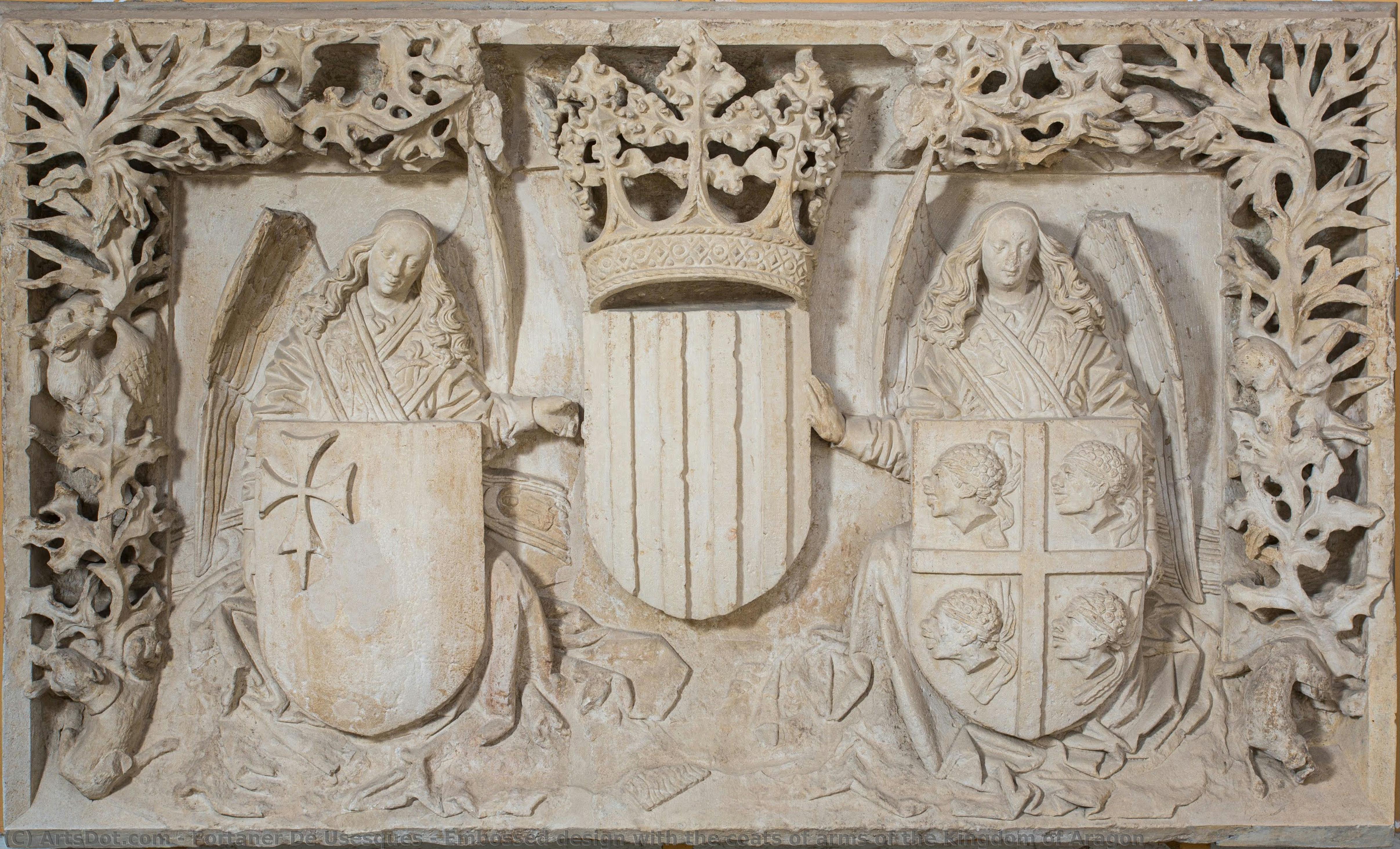
Embossed design with the coats of arms of the Kingdom of Aragon

 Read More
Giclée / Art Print
Museum-quality giclée or canvas print with fast production and flexible finish options. ( Buy Hand Made Painting Buy Image)




































Pick from our preset sizes that match the artwork's original proportions.

You may enter your own dimensions to fit a specific frame or space. If your selected size does not match the original image's proportions, we will either crop the artwork or extend the image with a mirrored or solid-fill edge. A digital mockup will be sent for your approval before production begins.
Please note that the on-screen preview does not reflect the actual cropping or extension. Only the mockup will accurately show the final composition.
While custom sizes are available, we recommend selecting a dimension from the predefined list to preserve the original proportions.
Worldwide Delivery () in 2 weeks instead of standard 4/5 weeks. (31 August)

Free Worldwide Express Shipping

High-Quality Linen Canvas

Full Shipping Insurance

Customs Tax Refund Guarantee

True Color Matching Guarantee

60-Day Return Policy (Defects Only)

100% Money-Back Guarantee

Bulk Discount Offer
 Glass option is only available in size under 110 CM

Embossed design with the coats of arms of the Kingdom of Aragon
Giclée / Art Print
Reproduction Size
-


Total Price
$ 63
Related Artworks









Artist Biography
Early Life and Artistic Training
Fortaner de Usesques’s origins remain shrouded in obscurity, leaving historians to speculate about his birthplace—likely Spain—and familial background. Precise details regarding his upbringing are scarce, reflecting the limitations of archival records from the period. However, evidence suggests he possessed a keen artistic inclination from a young age, demonstrating an early aptitude for drawing and replicating objects with charcoal – a practice common among aspiring artists during the Baroque era. This formative experience profoundly shaped his subsequent stylistic development, establishing him as a student of Juan Sánchez Cotán, whose austere aesthetic served as a crucial influence on Zurbarán’s artistic vision.The Seville Workshop and Caravaggio Influence
Zurbarán honed his skills in Seville under the tutelage of Pedro Díaz de Villanueva, an artist whose oeuvre is regrettably fragmentary. Despite the lack of biographical information about Villanueva himself, Zurbarán's apprenticeship marked a pivotal moment in his artistic education, exposing him to techniques and sensibilities that would define his distinctive style. Notably, he absorbed the dramatic chiaroscuro employed by Michelangelo da Caravaggio—a stylistic hallmark characterized by stark contrasts between light and shadow—further elevating his ability to convey emotion and psychological depth within his compositions. This connection to Caravaggio cemented Zurbarán’s reputation as “Spanish Caravaggio,” solidifying his place among the foremost painters of his time.Religious Painting and Stylistic Innovation
Zurbarán's artistic output was overwhelmingly devoted to religious subjects, primarily depictions of monks, nuns, and martyrs. He achieved unparalleled mastery in portraying spiritual austerity and solemn contemplation, utilizing a technique that combined meticulous observation with expressive simplification. His signature style—characterized by rigid figurative modelling and refined naturalistic detail—stood apart from his contemporaries, reflecting a profound engagement with the theological precepts of the Counter-Reformation. The artist’s masterful handling of white draperies – a hallmark of his oeuvre – exemplifies his dedication to capturing the essence of religious devotion through precise rendering and subtle tonal variations.Royal Commissions and Artistic Legacy
Zurbarán secured prestigious commissions from Philip IV, including monumental frescoes for the Buen Retiro palace and elaborate decorations for a ceremonial ship presented to the king by Seville. These projects underscored his artistic stature and cemented his position as Spain’s official painter—a distinction that symbolized both prestige and creative freedom. Although Zurbarán's later works exhibited a shift towards idealized figures and mythological themes, he remained steadfast in upholding the austere aesthetic principles of his formative years. His enduring influence on subsequent generations of Spanish artists testifies to the lasting power of his stylistic innovations and his unwavering commitment to conveying spiritual contemplation through visual art.Notable Works
Among Zurbarán’s most celebrated paintings are *Crucifixion*, commissioned by the San Pablo el Real monastery, which exemplifies his masterful use of tenebrism; *Saint Hugh in the Refectory of the Carthusians*, showcasing his unparalleled skill in capturing monastic life and spiritual solemnity; and *The Immaculate Conception*, considered one of his earliest masterpieces. His depictions of saints and martyrs are distinguished by their psychological intensity and expressive realism, reflecting Zurbarán’s profound understanding of human emotion and spiritual experience—a legacy that continues to inspire artists today.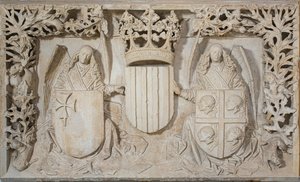
fortaner de usesques
Spain
Quick Facts
- Artistic Movement Or Style: Baroque
- Artists Or Movements Influenced By This Artist: ['Caravaggio']
- Artists Who Influenced This Artist: ['Juan Sánchez Cotán']
- Date Of Birth: November 7, 1598
- Full Name: Francisco de Zurbarán
- Nationality: Spanish
- Notable Artworks:
- Crucifixion
- Saint Hugh in the Refectory of the Carthusians
- Place Of Birth: Fuente de Cantos, Extremadura