 Preview
 Send
Send Share
Share
 Details

 Download
 Similars
 X-Ray
X-Ray Diaporama
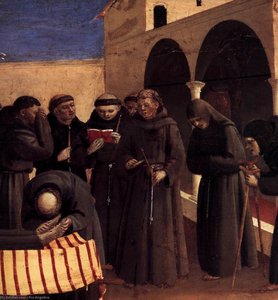
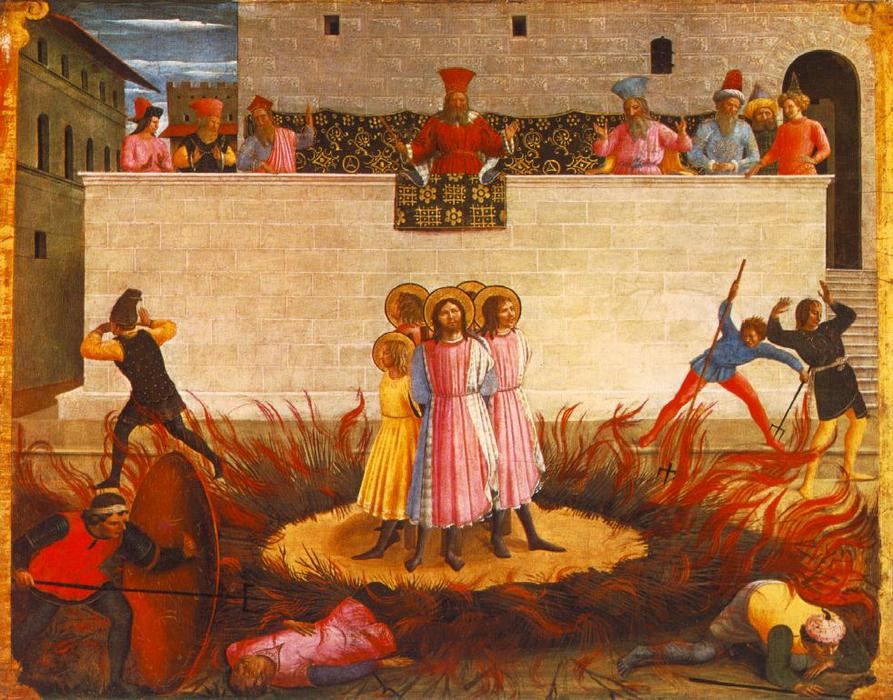
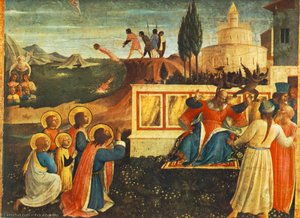
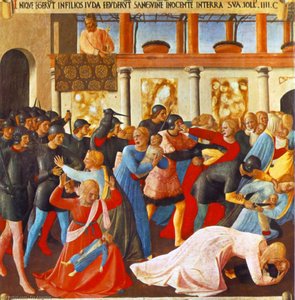
Saint Cosmas and Saint Damian Condamned (San Marco Altarpiece)
 Acrylic On Canvas
- WallArt
- Early Renaissance
 1438
1438- Renaissance
 37.0 x 46.0 cm
 Read More
Hand Made Oil Reproduction
Hand-painted oil on canvas in your size and frame, made to order by our artists. ( Buy Print Buy Image)




P118B $10

P118H $10

P118W $10

P438Z $10

P508JH $12

P508YH $12

P805H $10

P805Z $10

P919BZ $10

P919G $10

P919XJ $10

P959ZH $10

P968JZ $12

W106C $8

W218G $10

W218JH $8

W218Y $10

W307PJ $10

W316G $10

W316PJ $8

W316Y $10

W398PJ $8

W4111J $10

W500HY $15

W500JH $15

W692G $12

W849H $8

W940BG $15

W953PJ $8




Pick from our preset sizes that match the artwork's original proportions.

You may enter your own dimensions to fit a specific frame or space. If your selected size does not match the original image's proportions, we will either crop the artwork or extend the painting with additional hand-painted elements. A digital mockup will be sent for your approval before production begins.
Please note that the on-screen preview does not reflect the actual cropping or extension. Only the mockup will accurately show the final composition.
While custom sizes are available, we recommend selecting a dimension from the predefined list to preserve the original proportions.
After order, ArtsDot.com team will email client for instructions and provide a mockup preview
Worldwide Delivery () in 3/4 weeks instead of standard 5 weeks. (16 August). No compromise on quality.

Free Worldwide Express Shipping

High-Quality Linen Canvas

Full Shipping Insurance

Customs Tax Refund Guarantee

True Color Matching Guarantee

60-Day Return Policy (Defects Only)

100% Money-Back Guarantee

Bulk Discount Offer
 Glass option is only available in size under 110 CM

Saint Cosmas and Saint Damian Condamned (San Marco Altarpiece)
Reproduction Medium
Reproduction Size
-


Total Price
$ 263
Artwork Description
Saint Cosmas and Saint Damian Condamned (San Marco Altarpiece)
Fra Angelico’s “Saint Cosmas and Saint Damian Condemned (San Marco Altarpiece)” stands as a pinnacle of Early Renaissance art, embodying the spiritual fervor and artistic innovation that characterized Florence during its golden age. Created in 1438 for the Benedictine monastery of San Marco—a testament to Cosimo de’ Medici’s patronage—this tempera masterpiece transcends mere visual representation; it delves into profound theological themes with breathtaking beauty.
The Artistic Context
- Fra Angelico was a Dominican friar deeply rooted in the scholastic tradition, prioritizing contemplation and divine illumination alongside artistic skill. His formative years were spent mastering manuscript illumination—a craft demanding meticulous detail and vibrant color palettes—skills that would inform his later frescoes and altarpieces.
- The San Marco Altarpiece series represents Fra Angelico’s masterful response to the commission of Cosimo de' Medici, who wished to revitalize the monastery’s spiritual life through a monumental artistic undertaking. This project coincided with the broader Renaissance preoccupation with humanist ideals alongside religious devotion—a dynamic that profoundly shaped artistic expression.
Composition and Symbolism
- The painting depicts Saint Cosmas and Saint Damian facing imminent condemnation, yet their expressions convey serenity and acceptance of God’s will. This deliberate juxtaposition underscores the central Christian belief in divine providence—the idea that God orchestrates all events for His ultimate glory.
- The carefully arranged figures—Saint Cosmas holding a cross, Saint Damian surrounded by women—symbolize the steadfast faith of martyrs and the communal support offered to those persecuted for their beliefs. The landscape backdrop evokes Paradise, representing eternal salvation and divine grace.
- Fra Angelico’s masterful use of perspective creates an illusionistic depth that draws viewers into the scene, enhancing its emotional impact. Notice how he skillfully employs chiaroscuro—the interplay of light and shadow—to sculpt the figures and imbue them with palpable realism.
Artistic Significance
- “Saint Cosmas and Saint Damian Condamned” exemplifies Fra Angelico’s contribution to the Early Renaissance movement, marking a decisive break from Gothic conventions. Its refined style—characterized by elegant lines, luminous colors, and meticulous detail—established new standards for artistic excellence.
- The painting's enduring appeal stems from its ability to communicate complex theological concepts with remarkable simplicity. It serves as an inspiring reminder of faith’s unwavering strength in the face of adversity—a timeless message that continues to resonate across centuries.
Relevance Today
- For art enthusiasts, “Saint Cosmas and Saint Damian Condamned” offers a captivating glimpse into the artistic sensibilities of Renaissance Italy. Its serene beauty and profound symbolism inspire contemplation and appreciation for the transformative power of art.
- Interior designers can draw inspiration from Fra Angelico’s masterful use of color and composition—principles that remain relevant in contemporary design aesthetics. Consider incorporating similar palettes and spatial arrangements to create spaces imbued with tranquility and spiritual resonance.
Conclusion
"Saint Cosmas and Saint Damian Condamned" is undeniably a masterpiece—a testament to Fra Angelico’s artistic genius and unwavering devotion. Its preservation at the National Gallery of Ireland ensures that future generations can marvel at its beauty and contemplate its enduring spiritual significance.
Related Artworks
Artist Biography
Early Life and Spiritual Formation
Born Giovanni da Fiesole around 1395 in the Tuscan hills near Florence, Fra Angelico’s early life remains shrouded in a gentle obscurity that seems fitting for an artist whose work would become synonymous with ethereal beauty and devout spirituality. Little is known of his family or childhood, but it's believed he received a solid education, preparing him for a life beyond the humble origins of Rupesana. The pivotal moment arrived when the young Giovanni entered the Dominican Order at Fiesole, embracing a life of religious contemplation and service. It was within the walls of the monastery that he received the name Fra (Brother) Angelico, a moniker that would soon reflect not only his monastic vows but also the angelic quality inherent in his art. Initially tasked with illuminating manuscripts – a meticulous craft demanding precision and vibrant color – he honed skills that would later blossom into breathtaking frescoes and panel paintings. This early training instilled in him a profound respect for detail, a mastery of pigment, and an understanding of how to convey narrative through visual storytelling. The Dominican Order’s emphasis on theological study undoubtedly shaped his artistic vision, imbuing his work with a deep sense of faith and purpose.The Blossoming of a Unique Style
Fra Angelico's artistic development wasn’t born in isolation; he absorbed the currents of Florentine painting circulating at the time. The elegant linearity and decorative patterns of Lorenzo Monaco, a leading painter of the era, are evident in his early works. However, Fra Angelico didn’t merely imitate his predecessor. He began to synthesize these influences with a burgeoning naturalism, likely sparked by exposure to the groundbreaking frescoes of Masaccio. While Masaccio revolutionized painting with his dramatic use of perspective and realistic depiction of human form, Fra Angelico charted a different course. He embraced perspective not for its own sake, but as a means to create a more immersive spiritual experience. His figures, though graceful and often idealized, possess a quiet dignity and emotional resonance that transcends mere representation. Crucially, his art was inextricably linked to his faith; he viewed painting not as a profession, but as an act of prayer – a way to contemplate the divine and make it visible to others. This deeply held belief infused every brushstroke with reverence and sincerity.Masterpieces of Faith and Color
Fra Angelico’s artistic legacy is anchored by several monumental works that continue to inspire awe centuries later. The frescoes within the San Marco monastery in Florence are widely considered his masterpiece. Commissioned for the Dominican convent, these scenes from the life of Christ radiate a serene simplicity and emotional depth rarely encountered in Renaissance art. Each image – from the Annunciation to the Crucifixion – is imbued with a sense of quiet contemplation, inviting viewers into a personal encounter with the sacred narrative. Beyond San Marco, his *Perugia Altarpiece* showcases his evolving style, particularly in its delicate depiction of the Annunciation. The recurring theme of the Annunciation itself appears in numerous versions throughout his oeuvre, each rendered with ethereal beauty and symbolic richness. Works like *St. Lawrence Giving Alms* demonstrate his skill in narrative composition and his ability to portray human emotion with sensitivity and grace. His palette is characterized by bright, clear colors – blues, golds, and reds – that seem to glow from within, creating an atmosphere of otherworldly radiance.Legacy and Lasting Influence
Fra Angelico stands as a pivotal figure in the Early Renaissance, embodying the era’s fusion of religious devotion and artistic innovation. He wasn't simply a painter; he was a spiritual visionary who translated his faith into visual form. His work reflects the humanist ideals of the period, emphasizing human dignity and the potential for spiritual contemplation. Giorgio Vasari, the celebrated art historian, lauded Fra Angelico in his *Lives of the Artists*, proclaiming that no amount of praise could adequately capture the beauty of his creations. This recognition cemented his place within the canon of Western art. His influence extended far beyond his own time, inspiring generations of artists with his devotional style and masterful use of color. In 1982, Pope John Paul II officially recognized Fra Angelico’s holiness by beatifying him – a testament to the profound spiritual impact of his life and work. Today, his art continues to resonate with viewers around the world, offering a timeless message of faith, hope, and beauty.Where to Experience His Art
- Museo di San Marco, Florence: This museum houses the largest and most significant collection of Fra Angelico’s works, including the breathtaking frescoes from the monastery.
- The Louvre Museum (Paris): Several important paintings by Fra Angelico can be found within the Louvre's extensive collection.
- The National Gallery (London): The National Gallery boasts a selection of his works, offering visitors a glimpse into his artistic genius.
- Santa Maria sopra Minerva, Rome: This church contains frescoes by Fra Angelico and is the site where he was officially beatified.
- Numerous other museums worldwide also display examples of his art, allowing a broader appreciation for his enduring legacy.
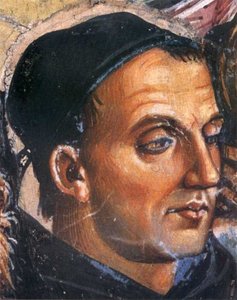
Fra Angelico
1395 - 1455 , Italy
Quick Facts
- Artistic Movement Or Style: Early Renaissance
- Artists Or Movements Influenced By This Artist: ['Early Renaissance artists']
- Artists Who Influenced This Artist:
- Lorenzo Monaco
- Masaccio
- Date Of Birth: c. 1395
- Date Of Death: 1455
- Full Name: Fra Angelico
- Nationality: Italian
- Notable Artworks:
- San Marco Frescoes
- Perugia Altarpiece
- The Annunciation
- St. Lawrence Giving Alms
- Place Of Birth: Rupesana, Italy
Related Articles

Fra Angelico's Masterpieces: 25 Renaissance Paintings for Your Home | ArtsDot
Explore 25 breathtaking masterpieces by Fra Angelico, a Renaissance master. Discover the stories behind his iconic frescoes, Annunciations & religious art. Find museum-quality reproductions and elevate your home decor with ArtsDot.com.
Uffizi's 25 Masterpieces: Renaissance Art & Timeless Decor Inspiration
Journey through the Uffizi Gallery's 25 most iconic Renaissance artworks! Explore Botticelli, Leonardo da Vinci & Michelangelo’s masterpieces. Find museum-quality art reproductions and curated decor ideas to bring timeless Italian beauty into your home. Discover all masterpieces on ArtsDot.com
Alte Pinakothek's Masterpieces: 25 Iconic Paintings for Art Lovers | ArtsDot
Journey through Alte Pinakothek's 25 most iconic paintings! Explore masterpieces by Dürer, Rembrandt & Rubens. Discover art history, techniques & find museum-quality reproductions for your home at ArtsDot.com.
The Dawn of a New Vision: Exploring Themes & Innovations in Early Renaissance Art (c. 1400-1500)
Explore the groundbreaking innovations & humanist ideals of Early Renaissance art (c. 1400-1500). Discover masterpieces by Botticelli, Fra Angelico & more. A deep dive for art enthusiasts.

The Dawn of a New Vision: Exploring the Artistic Innovations of the Early Renaissance
Explore the groundbreaking innovations of the Early Renaissance! Discover the art, history, and humanist ideals that shaped a new era in painting, sculpture & architecture. Learn about Masaccio, Florence, and more.