

 Preview
 Send
Send Share
Share
 Details

 Download
 Similars
 X-Ray
X-Ray Diaporama
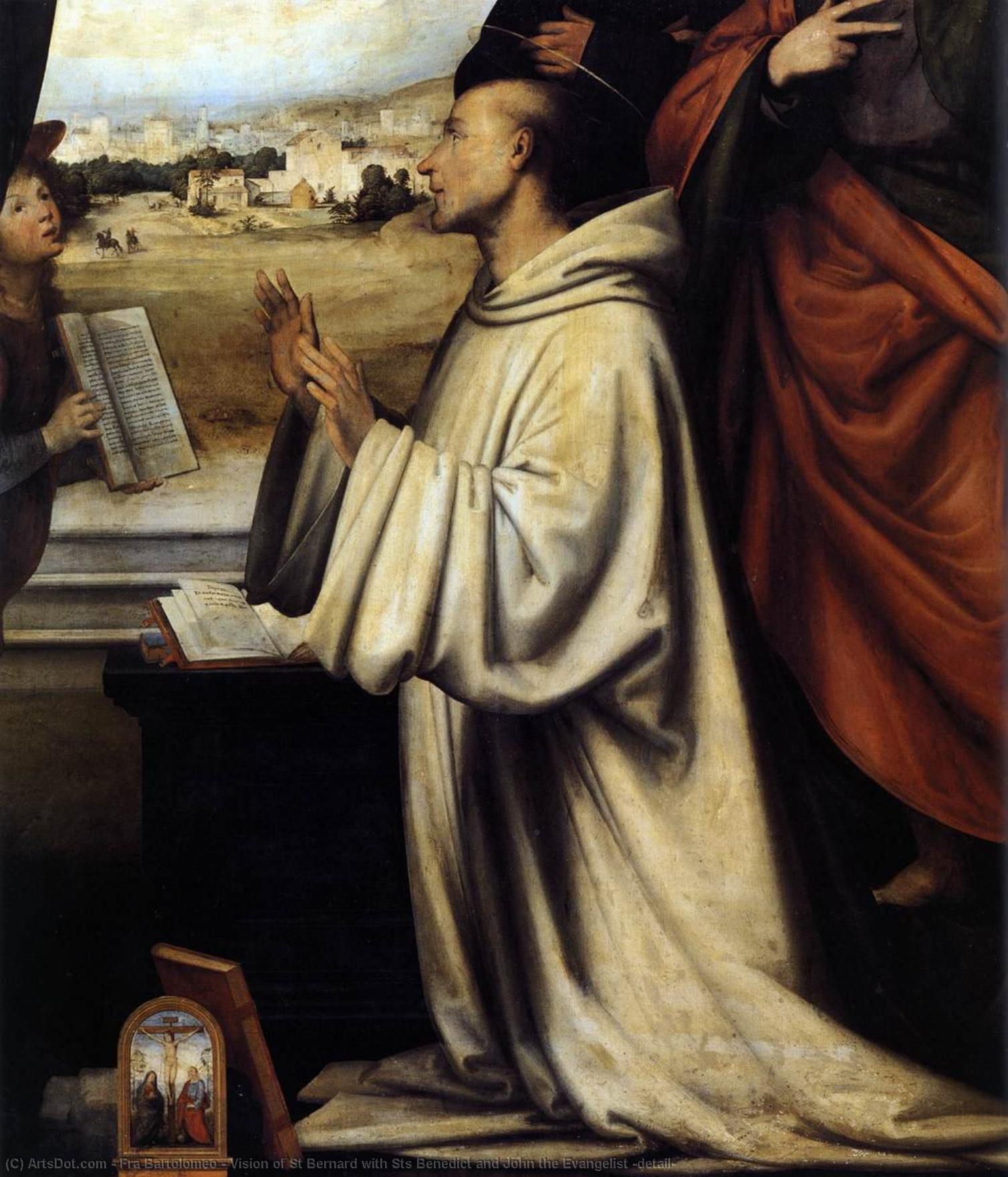
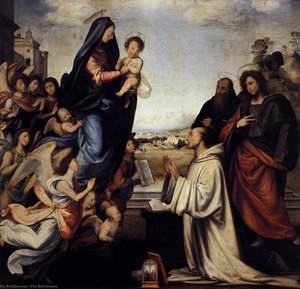
Vision of St Bernard with Sts Benedict and John the Evangelist (detail)


 Read More
Purchase a high-resolution, enhanced digital image, far superior to the online preview.
Each file is meticulously prepared by our in-house specialists using advanced tools and expert manual retouching. We ensure every image has exceptional clarity, precise color accuracy, and fine detail.
The final file is delivered via email within 72 hours, optimized for immediate use in professional, editorial, and print environments. This is the same quality trusted by top-tier design studios, publishers, and galleries.
Digital Image
Download a high-resolution file for personal display, printing, and creative projects. ( Buy Print Buy Hand Made Painting)
Included in Every Digital Image Order
Expert Digital Delivery, Guaranteed
When you choose ArtsDot.com, you're not just getting an image - you're receiving a professionally enhanced digital artwork, crafted with precision and backed by a satisfaction guarantee. Here's everything that comes with your order, automatically:

Fast Email Delivery
Your high-resolution digital image file will be emailed to you within 72 hours of ordering - ready for immediate use.

AI-Enhanced Digital File
Your artwork is professionally optimized using advanced AI tools and manual editing, ensuring maximum detail, clarity, and color accuracy.

Free Lifetime Re-Delivery
Accidentally deleted or lost your file? No worries - we'll resend it to you anytime, free of charge.

No Import Fees - Ever
Enjoy your artwork instantly with zero customs, duties, or delivery fees - digital downloads are always tax-free.

Color Accuracy Guarantee
We ensure your digital image reflects the original colors as closely as possible using professional tools and color management.

60-Day Satisfaction Guarantee
If you're not satisfied with your digital image, we'll revise it or refund 100% within 60 days - no questions asked.

100% Money-Back Guarantee
Not satisfied? Get a full refund within 60 days of receiving your digital file - no questions asked.

Bulk Order Discounts
Buy 3 images, save 10% - Buy 5, save 15% - Buy 10+, save 20%. Great for creative projects, galleries, and agencies.
Collectible Description
A Vision Steeped in Faith and Florentine Genius
The painting “The Vision of Saint Bernard with Sts Benedict and John the Evangelist,” attributed to Fra Bartolomeo, stands as a testament to the artistic fervor of Renaissance Florence—a city renowned for its patronage of humanist ideals and breathtaking visual artistry. Completed in 1504, this monumental oil on panel resides within the Uffizi Gallery, offering visitors an unparalleled opportunity to contemplate one of Italy’s most celebrated masterpieces. Its enduring appeal stems not merely from its aesthetic beauty but also from its profound theological depth and masterful execution.Style and Technique: Harmonious Composition and Atmospheric Depth
Fra Bartolomeo's distinctive style is characterized by a remarkable blend of realism and idealism—a hallmark of Florentine painting during the High Renaissance. He eschewed strict linear perspective, favoring instead an atmospheric haze that imbues the scene with a palpable sense of serenity and spiritual contemplation. This technique—developed largely through experimentation—creates a luminous quality, capturing the diffused light filtering through the chapel windows and casting subtle shadows across the figures’ robes. The artist meticulously rendered textures, from the rough fabric of Saint Bernard's cloak to the smooth surface of John the Evangelist’s book, demonstrating an unwavering commitment to anatomical accuracy. Yet, these details serve not as ends in themselves but rather as vehicles for conveying a deeper spiritual message.Historical Context: Patronage and Spiritual Renewal
The commission for “The Vision” reflects the broader cultural landscape of its time—a period marked by fervent religious devotion following the Sack of Rome in 1527. Saint Bernard of Clairvaux, revered as a champion of monastic piety and asceticism, served as an inspirational figure for artists seeking to express Christian virtues. The painting’s depiction of the saint engaged in prayer alongside Benedict and John—symbols of humility, wisdom, and divine revelation—underscores the importance of contemplation and spiritual discernment within the Catholic faith. Furthermore, it aligns with the humanist preoccupation with portraying human dignity and moral excellence—a trend that sought to elevate art beyond mere decorative function.Symbolism: Layers of Meaning Beyond Appearances
Beyond its visual splendor, “The Vision” is replete with symbolic references that enrich its theological significance. The open book symbolizes divine knowledge and spiritual illumination—representing the Gospels as interpreted by Saint John. The saint’s posture embodies humility and devotion—a deliberate contrast to worldly ambition. The chapel setting itself evokes a sense of sacred space—emphasizing the transformative power of faith. These symbols resonate with viewers across centuries, prompting reflection on fundamental questions concerning morality, spirituality, and the pursuit of virtue.Emotional Impact: Tranquility and Reverence
Ultimately, “The Vision” succeeds in transporting the viewer to a realm of profound tranquility and reverent contemplation. The harmonious composition, coupled with the luminous palette and masterful rendering of textures, fosters an atmosphere of serenity—drawing the eye inward toward the spiritual core of the scene. As one gazes upon Saint Bernard’s serene countenance and the contemplative gestures of his companions, one feels compelled to embrace a similar spirit of humility and devotion—a legacy of artistic brilliance that continues to inspire awe and admiration today.Related Artworks
Artist Biography
Early Life and Artistic Formation in Florence
Born Baccio della Porta on March 28, 1472, in the Tuscan town of Savignano di Prato, Fra Bartolomeo’s early life was steeped in the vibrant artistic atmosphere of Renaissance Italy. The nickname “Baccio della Porta” itself—meaning “Kiss of the Gate”—hints at a humble beginning, his family dwelling near the Gate of San Pier Gattolini. His formal training began around 1483 or 1484 when he entered the workshop of Cosimo Rosselli, a well-regarded Florentine painter known for his expansive fresco cycles. This apprenticeship provided a crucial foundation in the technical skills and stylistic conventions of the period, exposing young Baccio to the burgeoning artistic innovations sweeping through Florence. It was during this formative time that he began to absorb the principles of perspective, composition, and color that would later define his own unique style. From 1490 or 1491, a significant collaboration with Mariotto Albertinelli further honed his skills; their partnership resulted in shared commissions and a fertile exchange of artistic ideas, solidifying Baccio’s position within the Florentine art scene.The Shadow of Savonarola and a Spiritual Awakening
The late 1490s marked a turning point in Fra Bartolomeo's life, profoundly influenced by the fiery sermons and moralistic teachings of Girolamo Savonarola. The Dominican friar’s denunciation of worldly vanities and perceived corruption within Florentine society resonated deeply with Baccio, leading him to question the purpose and value of artistic representation. This spiritual crisis culminated in a pivotal moment: in 1500, profoundly moved by Savonarola's message, he renounced painting altogether and entered the Dominican Convent of San Marco as a friar. His most famous work from this period, the portrait of Savonarola painted in 1498, stands as a powerful visual testament to the reformer’s influence. The intensity of Savonarola’s gaze and the stark simplicity of the composition reflect the austere religious climate of the time. For several years, Fra Bartolomeo dedicated himself entirely to religious life, seemingly abandoning his artistic pursuits. However, fate—and the needs of his order—would soon intervene.Return to the Canvas: High Renaissance Serenity and Raphael’s Influence
In 1504, at the behest of his superiors within the monastery, Fra Bartolomeo was asked to resume painting, becoming head of the San Marco workshop. This marked a remarkable return to artistic creation, but one transformed by his years of spiritual contemplation. His style began to evolve towards an idealized High Renaissance aesthetic, characterized by serene compositions, graceful figures, and a masterful use of light and shadow. The “Vision of St. Bernard” (1507), though now in fragile condition, exemplifies this new direction—its ethereal quality and harmonious balance reportedly captivated the young Raphael during his visit to Florence. A close friendship blossomed between the two artists, fostering a reciprocal exchange of ideas and techniques. Fra Bartolomeo eagerly absorbed Raphael’s knowledge of perspective, while imparting his own expertise in coloring and the delicate rendering of drapery. This collaboration proved pivotal in shaping both their artistic trajectories. His figures became more elegant, imbued with a sense of inner peace and spiritual grace, and he increasingly focused on capturing the subtle effects of light upon form.Legacy: A Pioneer of Landscape and Religious Devotion
Fra Bartolomeo’s contributions to Renaissance art extend beyond his religious paintings. He was also a pioneering figure in landscape art, creating some of the earliest pure landscape sketches from Italy—remarkable for their sensitive observation of nature and atmospheric effects. These drawings demonstrate an early interest in capturing the beauty of the natural world, foreshadowing later developments in landscape painting. Throughout his career, he produced numerous altarpieces for churches across Italy, including works commissioned in Venice, Lucca, and Besançon. His final work, a fresco of “Noli Me Tangere” (Do Not Touch Me) at Pian di Mugnone near Fiesole, stands as a poignant culmination of his artistic journey. Fra Bartolomeo’s influence on Raphael is undeniable, contributing to the development of High Renaissance art. He uniquely combined profound religious devotion with exceptional artistic skill, creating works that served both spiritual and aesthetic purposes. His career represents a crucial transition from the earlier Florentine style towards the idealized forms and balanced compositions characteristic of the High Renaissance. Fra Bartolomeo died in Florence on October 31, 1517, leaving behind a legacy of serene beauty, spiritual depth, and artistic innovation that continues to inspire awe and admiration today.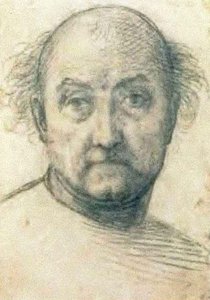
Fra Bartolomeo
1472 - 1517 , Italy
Quick Facts
- Artistic Movement Or Style: High Renaissance
- Artists Or Movements Influenced By This Artist:
- Raphael
- Mannerism
- Artists Who Influenced This Artist:
- Cosimo Rosselli
- Mariotto Albertinelli
- Raphael
- Date Of Birth: March 28, 1472
- Date Of Death: October 31, 1517
- Full Name: Fra Bartolomeo
- Nationality: Italian
- Notable Artworks:
- Savonarola Portrait
- Vision of St. Bernard
- Worship of Venus
- God the Father
- Place Of Birth: Prato, Italy

