

 Preview
 Send
Send Share
Share
 Details

 Download
 Similars
 X-Ray
X-Ray Diaporama
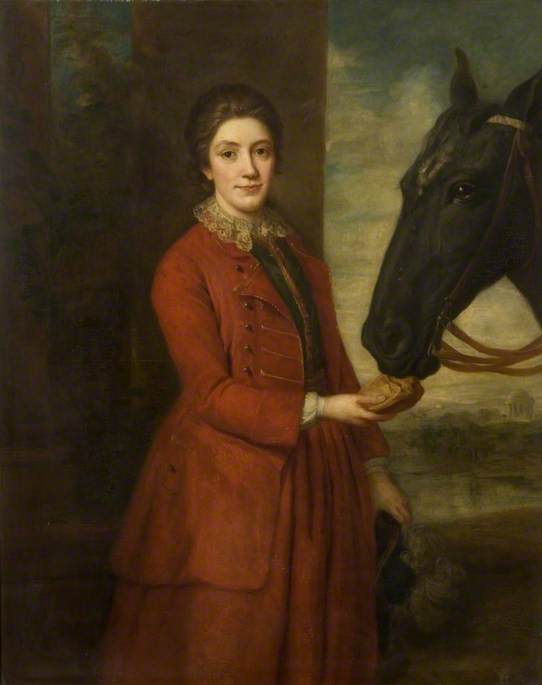
Anne Thursby, Daughter of William Hanbury of Kelmarsh, and Horse (copy of an earlier painting)
 1893
1893 129.0 x 103.0 cm
 Read More
Purchase a high-resolution, enhanced digital image, far superior to the online preview.
Each file is meticulously prepared by our in-house specialists using advanced tools and expert manual retouching. We ensure every image has exceptional clarity, precise color accuracy, and fine detail.
The final file is delivered via email within 72 hours, optimized for immediate use in professional, editorial, and print environments. This is the same quality trusted by top-tier design studios, publishers, and galleries.
Digital Image
Download a high-resolution file for personal display, printing, and creative projects. ( Buy Print Buy Hand Made Painting)
Included in Every Digital Image Order
Expert Digital Delivery, Guaranteed
When you choose ArtsDot.com, you're not just getting an image - you're receiving a professionally enhanced digital artwork, crafted with precision and backed by a satisfaction guarantee. Here's everything that comes with your order, automatically:

Fast Email Delivery
Your high-resolution digital image file will be emailed to you within 72 hours of ordering - ready for immediate use.

AI-Enhanced Digital File
Your artwork is professionally optimized using advanced AI tools and manual editing, ensuring maximum detail, clarity, and color accuracy.

Free Lifetime Re-Delivery
Accidentally deleted or lost your file? No worries - we'll resend it to you anytime, free of charge.

No Import Fees - Ever
Enjoy your artwork instantly with zero customs, duties, or delivery fees - digital downloads are always tax-free.

Color Accuracy Guarantee
We ensure your digital image reflects the original colors as closely as possible using professional tools and color management.

60-Day Satisfaction Guarantee
If you're not satisfied with your digital image, we'll revise it or refund 100% within 60 days - no questions asked.

100% Money-Back Guarantee
Not satisfied? Get a full refund within 60 days of receiving your digital file - no questions asked.

Bulk Order Discounts
Buy 3 images, save 10% - Buy 5, save 15% - Buy 10+, save 20%. Great for creative projects, galleries, and agencies.
Related Artworks









Artist Biography
A Life Immersed in Stillness: The World of Frances Elizabeth Grace
Frances Elizabeth Grace, a name resonating with quiet elegance and meticulous detail, was an artist who dedicated her life to capturing the beauty found in everyday objects and the dignified presence of portraiture. While biographical details remain somewhat elusive, the power of her work speaks volumes, revealing a keen eye for composition, a mastery of oil paint, and a deep appreciation for classical artistic traditions. Born in 1857 and passing away in 1939, Grace’s career unfolded during a period of significant change in the art world, bridging the gap between Victorian sensibilities and the burgeoning modern movements. Her paintings offer a glimpse into a refined aesthetic, characterized by rich textures, muted color palettes, and a symbolic language that invites contemplation.Early Influences and Artistic Development
Grace’s artistic journey was undoubtedly shaped by the prevailing tastes of her time. The Victorian era prized realism, narrative detail, and moralizing themes in art. However, Grace distinguished herself through a particular focus on still life—a genre often overlooked in favor of grand historical paintings or dramatic landscapes. It is believed that she drew inspiration from Renaissance masters like Chardin and Dutch Golden Age painters renowned for their exquisite depictions of domestic interiors and carefully arranged objects. This influence is readily apparent in her work, particularly in pieces such as “Still Life” featuring peacock feathers and marble statues. The arrangement isn’t merely decorative; it evokes a sense of timeless beauty and classical harmony. Her early works demonstrate a commitment to precise rendering, showcasing an ability to capture the play of light on surfaces and the subtle nuances of texture. This technical skill formed the foundation for her later achievements in portraiture as well.The Art of Portraiture: Capturing Character and Dignity
Beyond still life, Grace also excelled as a portrait artist. Her portraits are not flamboyant displays of wealth or status; instead, they focus on capturing the inner character and dignity of her subjects. “Anne Thursby, Daughter of William Hanbury of Kelmarsh, and Horse” exemplifies this approach. The painting isn’t simply a likeness but an intimate portrayal of a young woman in connection with her equestrian companion. Grace's ability to convey personality through subtle expressions and carefully chosen details sets her work apart. She eschewed overly dramatic poses or elaborate backgrounds, opting for a more restrained aesthetic that allowed the subject’s essence to shine through. This focus on psychological depth aligns her with a growing trend in portraiture during the late 19th century—a shift away from mere representation towards a deeper exploration of human emotion and identity.Themes and Symbolism in Grace's Oeuvre
A closer examination of Grace’s paintings reveals a recurring use of symbolism. Peacock feathers, often featured in her still lifes, represent beauty, immortality, and resurrection. Marble statues allude to classical ideals and the enduring power of art. These symbols aren’t employed ostentatiously but rather subtly woven into the composition, adding layers of meaning to the work. Her paintings also reflect a fascination with domesticity and the quiet pleasures of life. The objects she depicts—fruit, flowers, books, musical instruments—are not merely decorative; they represent comfort, refinement, and intellectual pursuits. This emphasis on interior spaces and personal belongings suggests a desire to create a sense of intimacy and emotional resonance within her work.Legacy and Historical Significance
While Frances Elizabeth Grace may not be as widely recognized as some of her contemporaries, her paintings offer a valuable insight into the artistic sensibilities of the late Victorian era. Her dedication to technical skill, her refined aesthetic, and her subtle use of symbolism set her apart as a unique voice within the art world. Today, her work is appreciated for its quiet elegance, meticulous detail, and enduring beauty. Grace’s legacy lies in her ability to elevate everyday subjects to the level of artistic significance, reminding us that beauty can be found in the simplest of things. Her paintings continue to captivate viewers with their timeless appeal and invite contemplation on themes of life, death, and the enduring power of art.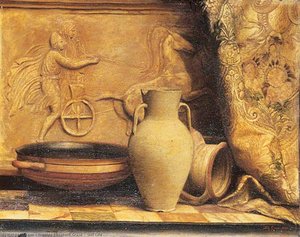
Quick Facts
- Artistic Movement Or Style: Still Life, Portraiture
- Date Of Death: 1939
- Full Name: Frances Elizabeth Grace
- Nationality: British
- Notable Artworks:
- Still Life
- Watching the Birds

