 Preview
 Send
Send Share
Share
 Details

 Download
 Similars
 X-Ray
X-Ray Diaporama
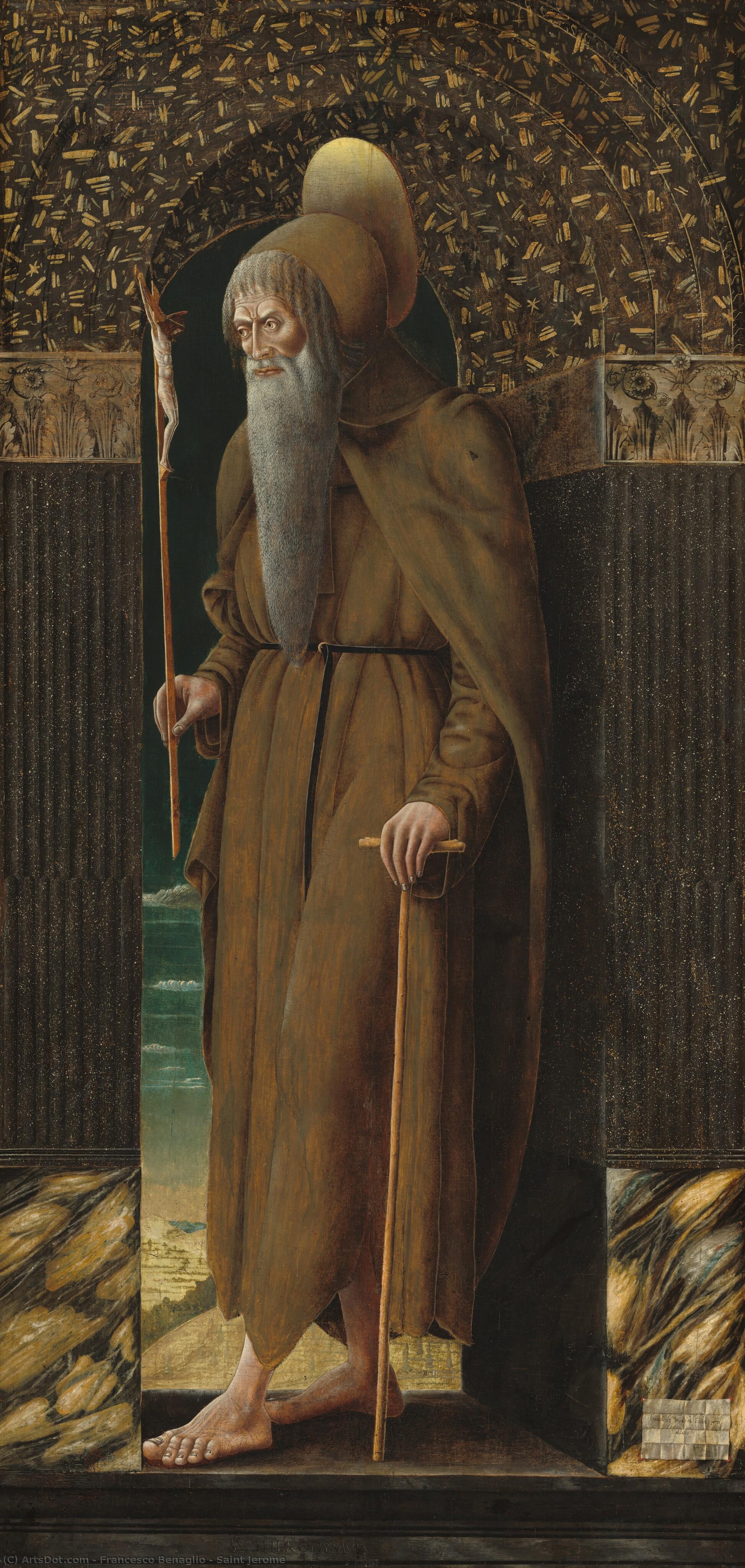
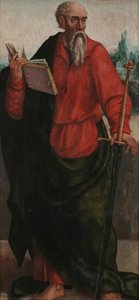
Saint Jerome
 1475
1475 156.0 x 84.0 cm
 Read More
Hand Made Oil Reproduction
Hand-painted oil on canvas in your size and frame, made to order by our artists. ( Buy Print Buy Image)




































Pick from our preset sizes that match the artwork's original proportions.

You may enter your own dimensions to fit a specific frame or space. If your selected size does not match the original image's proportions, we will either crop the artwork or extend the painting with additional hand-painted elements. A digital mockup will be sent for your approval before production begins.
Please note that the on-screen preview does not reflect the actual cropping or extension. Only the mockup will accurately show the final composition.
While custom sizes are available, we recommend selecting a dimension from the predefined list to preserve the original proportions.
After order, ArtsDot.com team will email client for instructions and provide a mockup preview
Worldwide Delivery () in 3/4 weeks instead of standard 5 weeks. (21 August). No compromise on quality.

Free Worldwide Express Shipping

High-Quality Linen Canvas

Full Shipping Insurance

Customs Tax Refund Guarantee

True Color Matching Guarantee

60-Day Return Policy (Defects Only)

100% Money-Back Guarantee

Bulk Discount Offer
 Glass option is only available in size under 110 CM

Saint Jerome
Reproduction Medium
Reproduction Size
-


Total Price
$ 263
Related Artworks




Artist Biography
The Veronese Visionary: The Life and Legacy of Francesco Benaglio
In the vibrant, sun-drenched landscape of the Italian Renaissance, few names evoke the peculiar blend of mathematical rigor and dramatic flair quite like Francesco Benaglio. Born around 1430 to a Bergamasque grain merchant named Pietro della Biada, the artist’s very name carries the scent of his father's trade—della Biada, meaning "of the oats." This humble mercantile origin belies the sophisticated persona he would later adopt, taking his professional name from a noble family in Bergamo. As his family migrated to Verona by 1456, Benaglio stepped into a city brimming with humanist ideals and burgeoning artistic ambition, setting the stage for a career that would bridge the gap between rigid tradition and expressive innovation.
Benaglio’s ascent within the Veronese art scene was marked early on by prestigious commissions that signaled his growing mastery. His first documented triumph, a magnificent triptych for the San Bernardino Cathedral in Verona between 1462 and 1463, served as a profound declaration of his talent. This work not only secured his reputation among the city's elite patrons but also established him as a painter capable of handling large-scale, complex religious narratives. Yet, his life was not merely one of quiet devotion; it was punctuated by the colorful and often turbulent social politics of 15th-century Italy. In a scandalous episode in 1475, Benaglio and a fellow painter named Martino found themselves facing legal repercussions and a four-month imprisonment after being accused of painting defamatory frescoes on the Palazzo Saramboro. This daring, perhaps reckless, act of artistic rebellion highlights a man who was deeply entwined with the political tensions and social provocations of his era.
A Symphony of Geometry and Grace
To gaze upon a Benaglio masterpiece is to witness a fascinating tension between the structural and the soulful. His technique is famously characterized by an ostentatious use of perspective foreshortening, a hallmark of the Renaissance fascination with mathematical precision. He did not merely paint figures; he sculpted them with light and line, often imbuing his subjects with a certain geometric rigidity. This deliberate stiffness was never a lack of skill, but rather a calculated stylistic choice designed to impart a sense of monumental presence and eternal stability to his compositions.
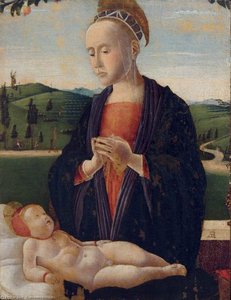
This architectural approach to the human form is most strikingly evident in his celebrated depictions of the Madonna and Child. In these works, the divine figures possess a weight and gravity that command the viewer's attention, anchored by a disciplined use of space. To contrast this structural intensity, Benaglio employed highly stylized and dramatic landscapes in his backgrounds. These settings, often featuring rugged terrain or ethereal skies, serve to amplify the emotional impact of the central figures, creating a visual dialogue between the earthly and the divine. His ability to marry the cold logic of perspective with the warmth of religious devotion remains his most enduring artistic achievement.
The historical significance of Francesco Benaglio lies in his role as a pivotal figure in the development of the Veronese school. Through his work, we see the evolution of a style that:
- Integrated mathematical principles into religious iconography to create a sense of permanence.
- Explored the boundaries of social commentary through public fresco work, reflecting the era's political volatility.
- Pioneered a unique aesthetic language where geometric precision meets dramatic, stylized naturalism.
Francesco Benaglio
1430 - 1492 , Italy
Quick Facts
- Artistic Movement Or Style: Renaissance
- Date Of Birth: ca. 1430 Verona Italy
- Date Of Death: ca. 1492 Verona Italy
- Full Name: Francesco Benaglio
- Nationality: Italian
- Notable Artworks: ['Madonna col bambino e tre angeli']
- Place Of Birth: Verona Italy